NVIDIA’s blockbuster partnership with OpenAI didn’t just happen—it was the result of high-stakes maneuvering to preserve leadership in the AI hardware race.
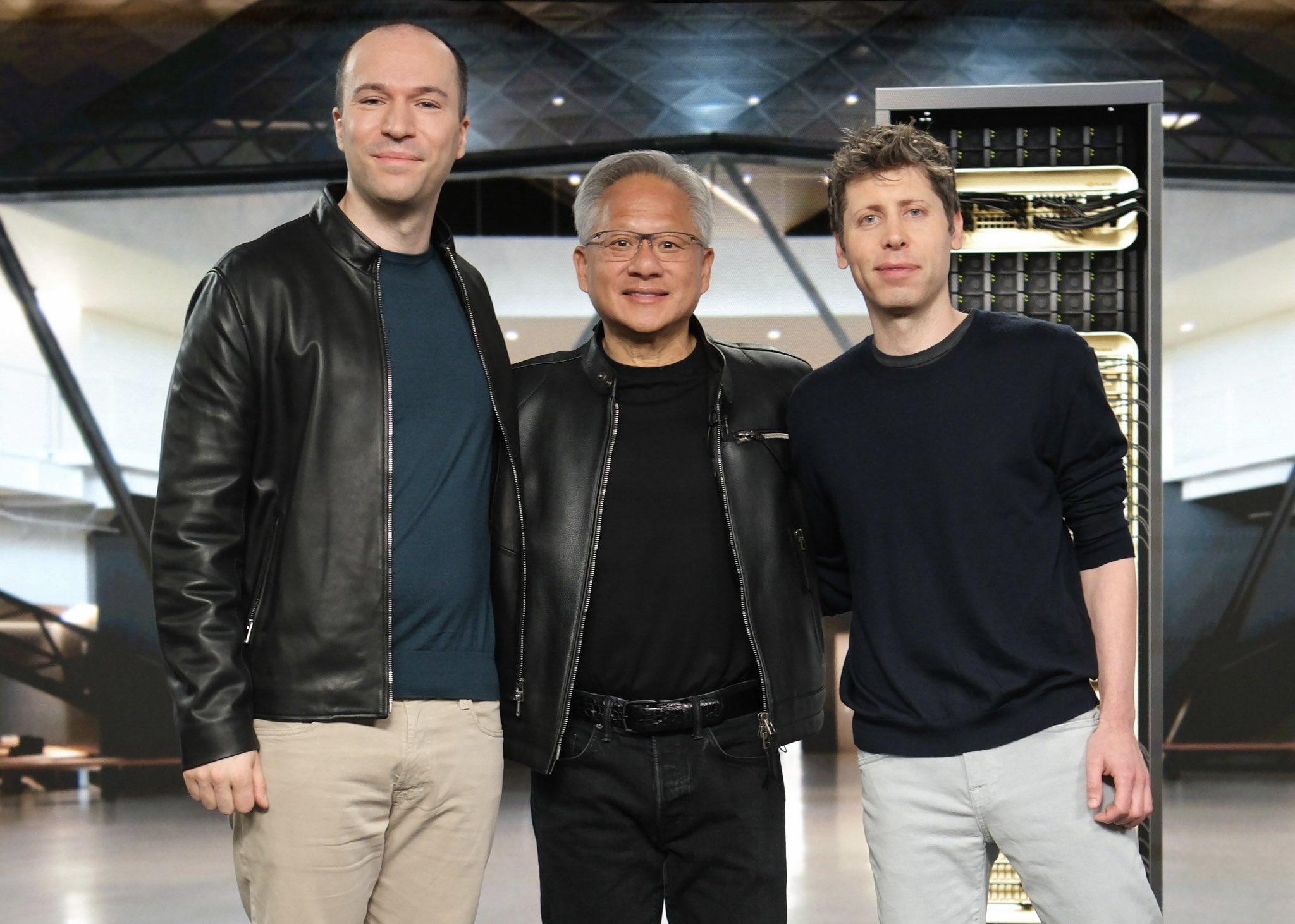
After initial talks reportedly stalled over the summer, momentum shifted when OpenAI was said to be exploring Google’s custom TPU chips alongside a new cloud agreement. That possibility set off alarms in Santa Clara. According to reporting on the negotiations, Jensen Huang personally re-engaged Sam Altman to revive a deal that would keep OpenAI’s compute future firmly tied to NVIDIA’s platform.
The result is a mega agreement built around a staggering commitment: NVIDIA would channel roughly $100 billion to help secure the compute OpenAI needs, and in return, OpenAI would receive millions of AI accelerators—backed by an estimated ten gigawatts of power. Beyond the headline number, the strategy is clear. The arrangement functions as a powerful supplier lock-in, ensuring OpenAI’s next-generation workloads, even up to Vera Rubin systems, remain rooted in NVIDIA’s ecosystem for years to come.
For NVIDIA, the move accomplishes two critical goals. First, it cements the company as one of OpenAI’s largest compute providers at a time when demand for AI training and inference continues to explode. Second, it slows the momentum of competing AI silicon—particularly Google’s TPUs—by reducing incentives for OpenAI to shift workloads to alternative architectures.
The urgency makes sense. OpenAI is one of the most influential AI developers in the world, and any large-scale pivot toward custom ASICs from rivals would signal a credible alternative to NVIDIA’s platform. By acting quickly and decisively, NVIDIA both safeguarded its dominant position in AI infrastructure and reinforced the value of its end-to-end stack.
The episode is a window into how today’s biggest AI players operate: headlines move markets, partnerships are strategic weapons, and access to compute is the ultimate currency. With this deal, NVIDIA didn’t just win a customer—it tightened its grip on the future of AI workloads while keeping a formidable challenger at bay.


