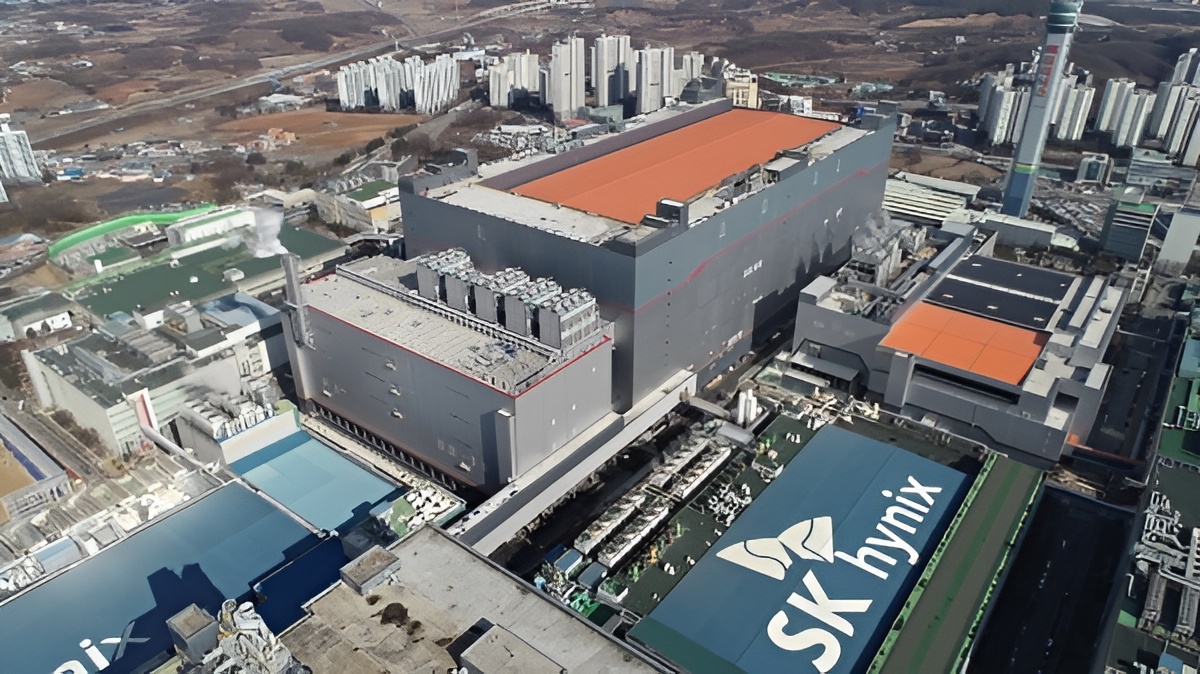
Japan is stepping up its push to bring more semiconductor manufacturing back home, and the country is reportedly putting serious incentives on the table to lure major memory makers such as Samsung and SK hynix. With chips increasingly treated as a national security priority worldwide, Japan wants a larger share of advanced production and is positioning itself as a cost-competitive place to build new fabs.
According to a report cited by Chosun Biz, Japan has approached Samsung and SK hynix with proposals designed to make building memory fabs in Japan more attractive than expanding in South Korea. The key selling point is total cost of ownership (TCO). An analysis referenced in the report suggests Japan’s support could cut the TCO of operating memory fabs to more than 50% lower than comparable projects in South Korea. That’s a striking difference in an industry where margins, energy costs, and long-term operating expenses can determine whether a multi-billion-dollar fab investment pays off.
What makes Japan’s offer especially notable is that it reportedly goes beyond direct subsidies. The incentives are said to include logistical and supply chain support, helping manufacturers secure materials, streamline operations, and reduce friction in the broader production ecosystem. For memory makers dealing with tight supply conditions and constant demand swings, lower costs and a stable supply chain can be just as valuable as upfront funding.
Even so, the report indicates that politics may be the biggest barrier. While the financial and operational case for Japan could be compelling, political considerations and government objections are reportedly slowing any move by South Korea’s memory giants to commit to new Japanese facilities.
Japan’s broader semiconductor strategy has already been taking shape. The country is increasingly viewed as an alternative hub in the global chip supply chain, alongside the United States, as manufacturers diversify production to reduce geopolitical risk. Japan’s willingness to invest heavily in semiconductors has also been underscored by recent cooperation with TSMC, including momentum around advanced node ambitions tied to rising demand from AI-focused customers.
For now, however, South Korean memory companies appear reluctant to expand manufacturing footprints in Japan. The report notes that there are no clear plans for new Samsung or SK hynix facilities there, and SK hynix has reportedly denied claims about building a DRAM supply chain presence in the country.
Looking ahead, the bigger question is how influential Japan becomes as the semiconductor landscape continues to shift. With governments competing to secure domestic chip capacity and companies under pressure to diversify manufacturing locations, Japan’s mix of incentives, supply chain support, and long-term investment could make it an increasingly important player—if industry and politics align.