A powerful earthquake hit Japan’s Tohoku region on the evening of April 20, 2026, sending immediate ripples through the global semiconductor and memory supply chain. The tremor struck near one of Japan’s most important chip-manufacturing areas, putting fresh attention on how vulnerable NAND flash production can be when natural disasters disrupt tightly scheduled factory operations.
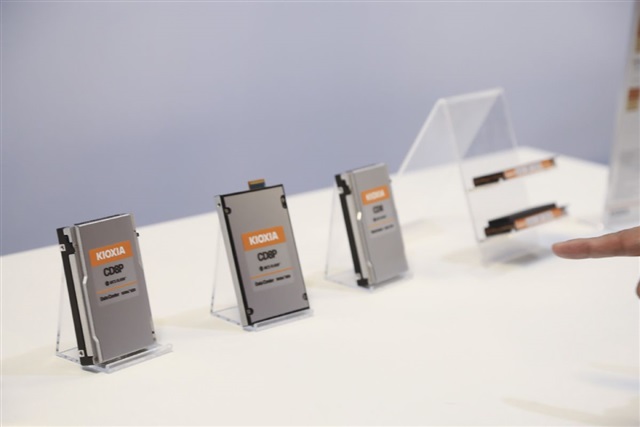
What’s driving the concern is the quake’s proximity to Kioxia’s NAND flash manufacturing footprint in Kitakami, Iwate Prefecture. Kioxia is a major force in the NAND flash market, supplying the memory that powers everything from smartphones and laptops to data centers, gaming hardware, and portable SSDs. When an earthquake happens near facilities like these, the biggest fear isn’t just structural damage—it’s the operational downtime that can follow, even if buildings remain intact. Semiconductor fabs often pause production after significant seismic activity so teams can run safety checks, recalibrate precision equipment, and confirm that cleanroom conditions haven’t been compromised.
The memory industry has learned the hard way that even brief interruptions can have outsized effects. NAND flash manufacturing relies on continuous, highly controlled processes, and restarting lines after a halt can take time. That makes any disruption near a high-output hub especially noteworthy for device makers and component buyers watching inventory levels and pricing.
The earthquake has also intensified chatter across the storage ecosystem, including reports of partners and related supply chain players potentially pausing activity or reassessing shipments as conditions become clearer. When large suppliers or controller and component partners take precautionary steps—whether that means temporary halts, extra inspections, or delays in logistics—the market can quickly shift from “stable supply” to “tight availability.”
For consumers and businesses, the most visible impact—if disruption is prolonged—could show up in changing SSD prices, delayed product availability, or constrained supply for certain capacities and models. These effects often don’t appear overnight; instead, they build as manufacturers and distributors adjust to revised output forecasts and shipping schedules.
Right now, the key question is how quickly operations can stabilize in the affected area. If inspections show minimal impact and production resumes smoothly, the broader market may avoid a major supply shock. But because the quake occurred close to a critical NAND flash manufacturing base, global buyers will be watching closely for updates on factory status, output expectations, and any signs of extended downtime that could tighten memory supply in the weeks ahead.