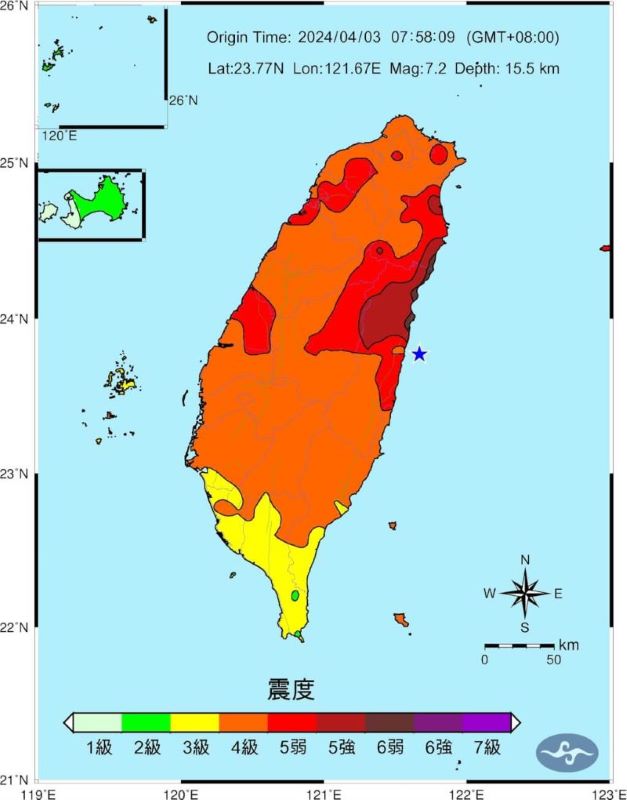
A significant earthquake with a magnitude of 7.4 struck the eastern coast of Taiwan, resulting in a temporary shutdown of operations for TSMC, the world’s premier semiconductor foundry. The earthquake, which occurred at 7:58 am local time on April 3, 2024, had an instantaneous impact on the global tech industry, as TSMC is a crucial player in the production of high-end chips found in products ranging from Apple iPhones to Nvidia GPUs.
In the aftermath of the tremor, reports have confirmed seven fatalities, with over 700 individuals injured. The quake has also led to widespread power outages affecting 87,000 people, damage to several train lines, and continuous aftershocks rattling the area. This natural disaster has drawn attention to the vulnerability of global supply chains that rely heavily on the semiconductor output from this region.
Taiwan has established itself as a key hub in the manufacturing of semiconductors by producing chips based on designs from various tech giants. Companies like Nvidia and Apple, for instance, create their chip designs and entrust TSMC with the complex manufacturing process. This collaborative approach has made TSMC indispensable in the tech ecosystem, as it possesses unmatched production capabilities and advanced lithography technology crucial for making chips that are both power-efficient and high-performing.
As the situation unfolds, unconfirmed sources cited by DigiTimes Asia have pointed to structural damages at TSMC’s facilities, including its N3 plant in Tainan, with critical equipment such as EUV machines being brought to a standstill. The Hsinchu plant is also facing issues, as the quake allegedly caused pipeline ruptures and damage to silicon wafers essential for chip production. As TSMC assesses the impact and works towards resuming operations, the industry holds its breath to see whether this event will lead to a significant production halt, reminiscent of the consequences of the Fukushima disaster in Japan.
The geographic location of Taiwan’s semiconductor plants, positioned between 130 to 220 kilometers from the earthquake’s epicenter, on the island’s western side, may offer some hope that prolonged disruptions can be averted. However, the full extent of the damage and its implications for the semiconductor industry and global supply chains remain to be fully realized.
For individuals living in earthquake-prone regions, this event serves as a stark reminder of the importance of preparedness. Essentials such as an ample supply of water, food reserves, and comprehensive medical kits are fundamental in ensuring safety and resilience in the face of such natural disasters.
As the tech industry closely monitors the situation, the focus shifts to disaster recovery efforts and the strategic importance of diversifying supply chains and manufacturing capabilities to mitigate the risks posed by unforeseen events.


