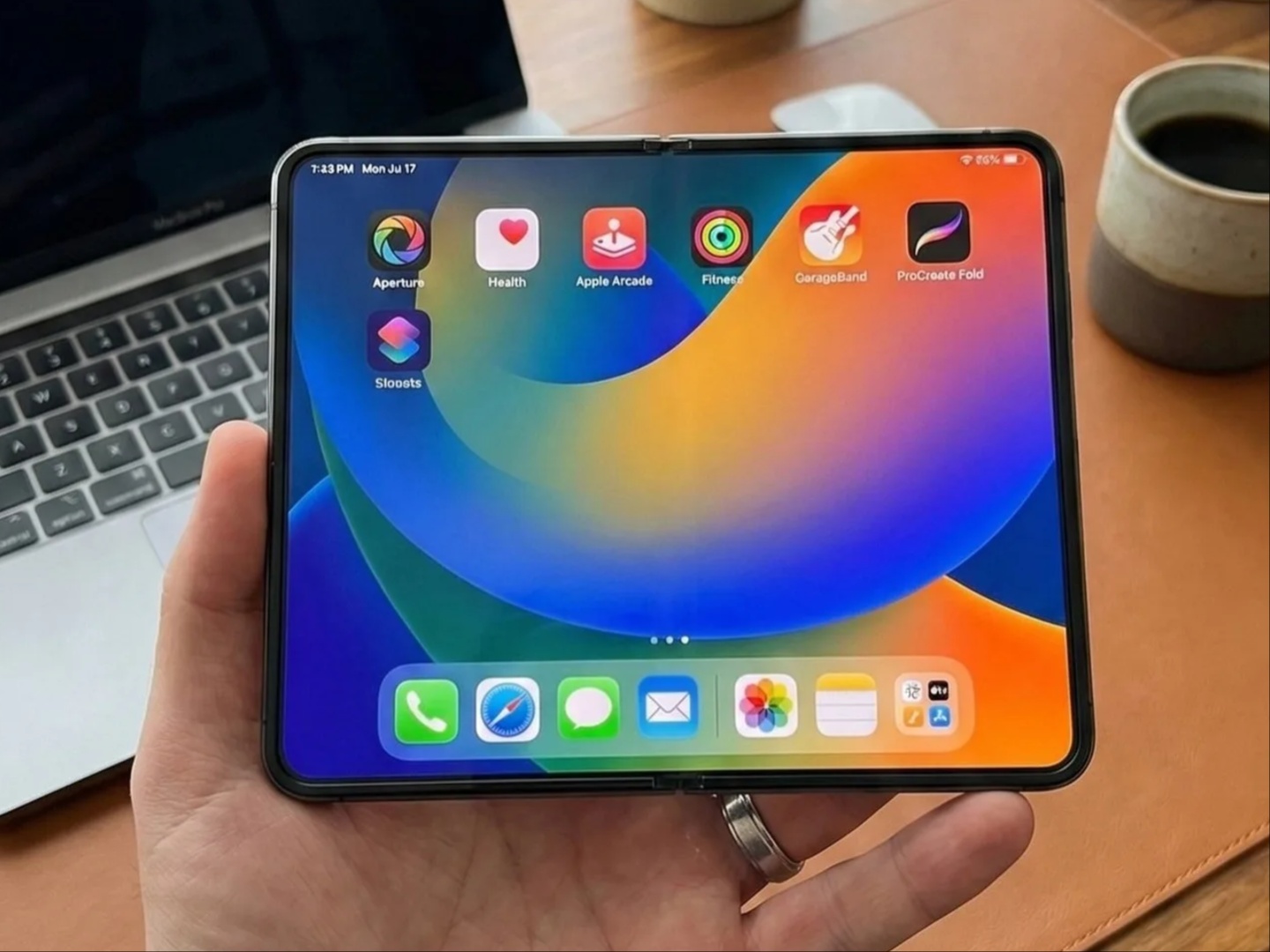
Apple is widely expected to make its long-rumored move into foldable phones this year with a new device reportedly called the iPhone Ultra. Unlike flip-style foldables, this one is said to use a book-style design, opening into a wider-than-usual display that could set it apart from many current foldables. Along with a fresh form factor, the iPhone Ultra is rumored to bring several Apple-centric upgrades—but it may also keep one of the most debated features from recent iPhones: the Camera Control button.
A leaker posting on Weibo claims that, despite the tight internal space and slimmer build expected from Apple’s first foldable iPhone, the iPhone Ultra will still include Camera Control. This physical control was introduced with the iPhone 16 lineup and continued across the iPhone 17 models, with expectations it will remain part of Apple’s future iPhone designs.
If this report is accurate, it suggests Apple is committed to making Camera Control a long-term part of the iPhone experience—even when design constraints make it harder. The iPhone Ultra is rumored to be extremely thin when unfolded, possibly even slimmer than the iPhone Air, which would make fitting extra hardware buttons and related components more challenging than on a traditional slab phone.
So why keep it? The same leak suggests Apple’s motivation is one-handed camera use. The idea is straightforward: letting users zoom, tweak camera settings, and capture photos or video without needing to use both hands. That’s a bigger deal on foldables, where the larger footprint often forces a two-handed grip—one hand to hold the device, the other to tap controls on the screen.
The big question is whether Camera Control actually makes shooting easier on a wider book-style foldable. On paper, having a dedicated control on the right side sounds convenient. In practice, ergonomics could be tricky. A wider, larger phone held in the right hand may not make it comfortable to precisely operate Camera Control with the same hand’s thumb or index finger, especially when trying to zoom smoothly or change settings. If most users still end up using both hands for stability and accuracy, the feature may not deliver the benefit Apple is reportedly aiming for.
Camera Control itself has already split opinion among iPhone users. Some owners consider it unnecessary or inconsistent, while others appreciate having a physical shortcut that reduces reliance on on-screen camera buttons. For a foldable iPhone—where quick access and stable handling matter even more—there’s a real opportunity for Apple to make this control feel less “extra” and more essential.
What could change the conversation is software. If Apple expands what Camera Control can do, improves precision, and introduces more intuitive camera-focused gestures or customization, the button could become significantly more useful on the iPhone Ultra. With a first-generation foldable likely to attract attention from photographers, videographers, and early adopters, Apple has strong incentives to make every hardware feature feel purposeful—especially one that has been so divisive.