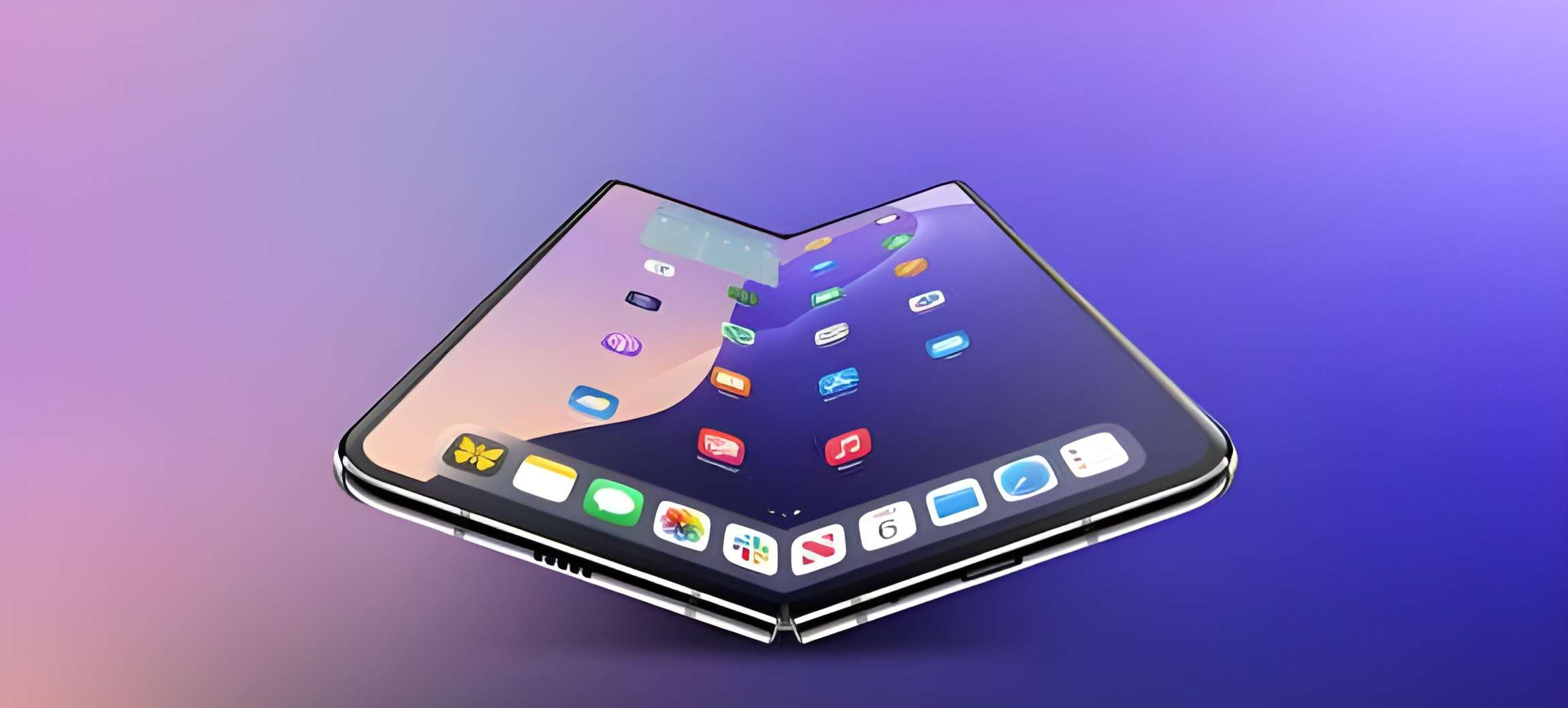
Apple’s first foldable iPhone is shaping up to be one of the most premium products the company has ever sold—and the latest pricing chatter suggests it could land far above today’s top-end iPhones. Tentatively referred to as the iPhone Fold, this book-style foldable is now being tipped to launch at a price that puts it in ultra-luxury smartphone territory.
A note from Fubon Research analyst Arthur Liao points to a tougher smartphone market ahead, with global shipments projected to dip around 4% year-over-year in 2026 to roughly 1.2 billion units. China’s smartphone market is also expected to slide about 3% to 275 million units, while total iPhone shipments could fall 4% to about 234 million units. Even with softer demand overall, the report suggests component costs are trending the opposite direction.
According to the analyst, the overall bill of materials for smartphones is expected to rise 5% to 6% in 2026, with memory singled out as a major driver. DRAM contract pricing, for example, is said to be up more than 75% compared to late 2024. Against that backdrop, a high-end foldable iPhone becomes easier to explain: it’s likely to arrive at a time when parts are costing more, and foldables already require pricey engineering for displays, hinges, and lightweight materials.
The biggest attention-grabber is the predicted retail price. The iPhone Fold is now rumored to cost around $2,499—roughly double the price of a Pro Max iPhone, depending on configuration. Much of that premium is reportedly tied to the foldable display panel, the hinge mechanism, and other specialized components needed to keep the device thin and light while still feeling durable. For comparison, rival book-style foldables in the market typically sit closer to the $2,000 mark, making Apple’s rumored pricing especially bold.
Despite the steep cost, the same report forecasts meaningful volume for a first-generation foldable. Liao estimates total lifetime sales of Apple’s foldable iPhones could reach about 15.4 million units, based on a 7% penetration assumption. For 2026 alone, the iPhone Fold is projected to sell around 5.4 million units—an ambitious number for a brand-new form factor, and a sign that Apple’s entry could expand interest in foldable phones rather than simply fight for existing buyers.
As for what buyers may get for that money, the rumored iPhone Fold specifications paint a picture of a productivity-focused, tablet-like experience that still works as a pocketable phone when closed. The device is expected to use a book-style design with a 7.74-inch main display and a 5.49-inch cover screen. Resolution is pegged at 2,713 x 1,920 with a 4:3 aspect ratio—an iPad-like shape that could be ideal for reading, email, multitasking, and document work.
One of the more surprising rumored decisions is authentication. Instead of Face ID, Apple may switch to Touch ID, likely to simplify internal packaging in a foldable chassis. Another key claim is that the inner screen won’t have a visible crease, which would be a major selling point if Apple can truly deliver a cleaner panel than what many foldables have today.
Performance hardware is expected to be top tier. The iPhone Fold is rumored to run an A20 Pro chip paired with 12GB of RAM, along with an Apple-designed C2 5G modem. Camera details suggest a dual rear camera system topping out at 48MP, plus an in-display camera that could reach 24MP.
Battery capacity is tipped to land in the 5,400 to 5,800mAh range—sizable for an iPhone, and likely necessary to power a large foldable display. If the timing holds, Apple’s first foldable iPhone could arrive in the second half of 2026.
If these details prove accurate, the iPhone Fold won’t be positioned as a mainstream upgrade. It looks more like a halo product—one meant to showcase Apple’s hardware design, push the iPhone into a new category, and tempt early adopters who want the newest form factor regardless of price. With a rumored $2,499 sticker, the biggest question may not be whether it’s expensive, but whether Apple can make foldable life feel so seamless that buyers see it as the next true leap forward for the iPhone.


