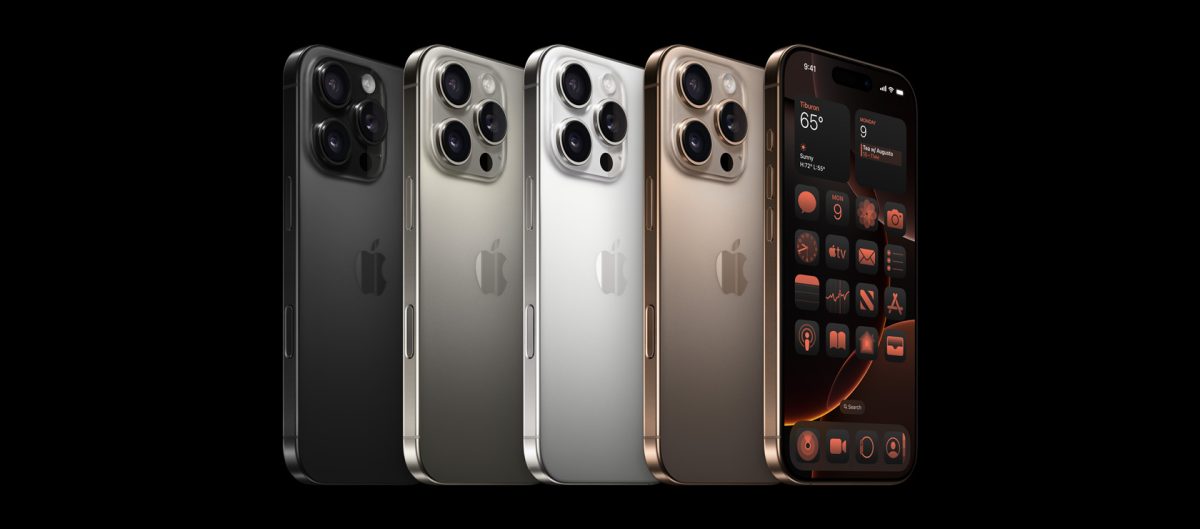
The iPhone 16 lineup has introduced several changes, yet it hasn’t significantly boosted Apple’s shipments. Despite a rise in global smartphone sales, Apple’s iPhone hasn’t seen the anticipated growth, suggesting that while users are upgrading their devices, they’re not overwhelmingly choosing iPhones.
In a recent IDC report, Apple experienced only marginal iPhone growth in 2024, even with an overall resurgence in the smartphone market. Global smartphone shipments rose by 6.2 percent, amounting to 1.24 billion devices, whereas Apple only saw a modest 0.4 percent hike in iPhone shipments.
One of the factors behind this lukewarm reception could be Apple’s Intelligence features. The company has yet to release its major iOS 18.2 update, which promises to integrate ChatGPT support for Siri, Image Playground, and Genmoji. Whether these features will entice more consumers remains uncertain.
Competition in China has also affected Apple’s growth, where it faces legal challenges and fierce competition from companies like Huawei, Oppo, and Xiaomi. These brands are not only employing aggressive pricing strategies but also introducing technological innovations and investing heavily in custom hardware and software. Xiaomi’s development of a 3nm custom chip signals intense future rivalry with giants like Apple and Qualcomm.
Huawei’s rollout of the Mate 70, equipped with its own processor and HarmonyOS, reduces its dependency on Google, setting the stage for broader market penetration. Android manufacturers have bolstered their market presence, growing by 7.6 percent, with notable successes in regions such as Asia Pacific, the Middle East, and Africa. They manage to offer devices that are both innovative and affordable.
Despite limited growth in units sold, Apple maintains its lead in industry profits, thanks to its premium pricing strategy. Analysts predict a better outlook for Apple’s shipments next year, with projected growth of 3.1 percent for iOS devices compared to 1.7 percent for Android.
The overall increase in smartphone sales is largely attributed to the introduction of low to mid-range devices in parts of the world with previously low smartphone penetration. However, generative AI features don’t appear to have had a significant impact on this surge in shipments. More insights into these market dynamics are expected as additional data becomes available.