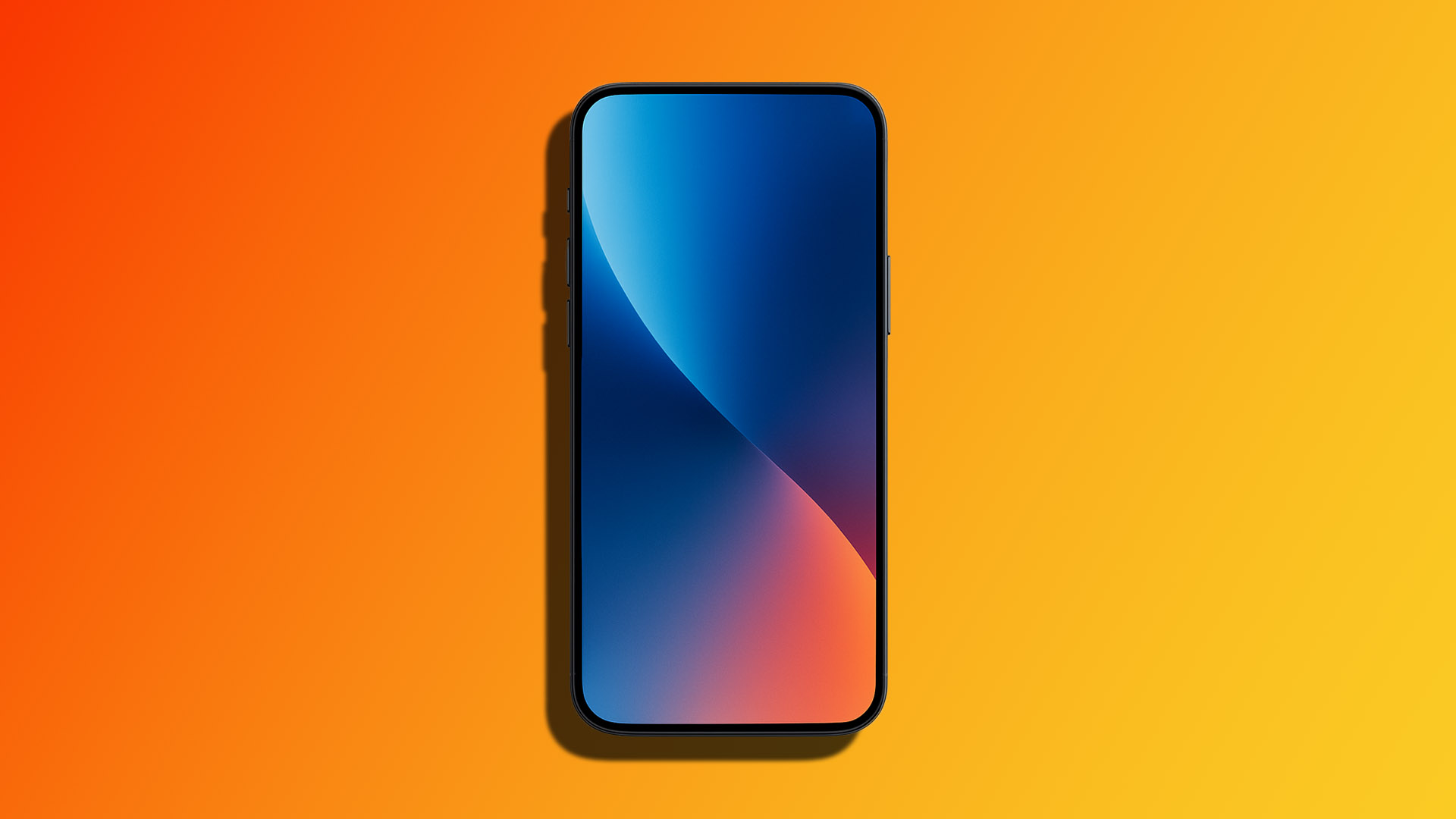
Apple’s 20th anniversary iPhone could be one of the biggest design leaps the lineup has seen since the first model arrived in 2007. New industry chatter suggests Apple may even skip the “iPhone 19” name entirely, jumping straight to iPhone 20 for the milestone release expected in the third quarter of 2027.
The bigger story, however, isn’t the naming. It’s the screen.
Reports continue to point toward an “all-screen” iPhone built to look truly edge-to-edge, with no visible cutouts. The latest update adds a major design twist: a “four-sided bending” display. In simple terms, that means the OLED panel would curve on all four edges, pushing the visible bezel even closer to zero and delivering a more immersive look from every angle.
This kind of bezel-less iPhone display isn’t as straightforward as shrinking the border. A four-sided bending design requires the panel circuit in the bezel area to bend too, which adds complexity to manufacturing. It also demands changes to key OLED protection layers. One of the important components is Thin-Film Encapsulation (TFE), used to prevent moisture and oxygen from damaging the OLED. For Apple’s rumored design to work, that protective layer may need to be made thinner while still maintaining long-term durability.
Then there’s the biggest challenge of all: hiding the hardware that normally forces a notch or cutout in the first place. To deliver a true “all-screen” iPhone, Apple would need to place the front-facing camera, the TrueDepth sensor system, and related components behind the display. That’s a tall order, because under-display camera and sensor technology must balance multiple demands at once—brightness, clarity, facial recognition performance, and consistent results in different lighting conditions.
Interestingly, earlier rumors have pointed to under-display Face ID being tested in future devices, including the iPhone 18 lineup and a foldable iPhone that’s also been the subject of ongoing speculation. If that roadmap holds, Apple could take incremental steps—such as reducing the current cutout to a smaller punch-hole for the selfie camera—before eventually reaching the fully uninterrupted screen envisioned for the anniversary model.
On the supply chain side, display makers are already expected to prepare for the engineering demands of this next-generation OLED. One report indicates LG may be considering a sizable investment—around 400 billion won (close to $300 million)—to support production needs related to the four-sided bending display concept. The changes wouldn’t be minor. Meeting Apple’s requirements could mean significant updates to manufacturing equipment and processes, with talk of multiple dedicated production lines to handle volume.
Samsung, another key OLED supplier for iPhones, hasn’t had specific plans publicly confirmed for this particular design. But because it has historically produced a large share of Apple’s OLED panels, it would likely need major capacity and process upgrades as well if Apple moves forward with a futuristic, curved-on-all-sides, all-screen iPhone.
If these reports are accurate, the iPhone 20 could mark a turning point for Apple’s design language—pairing an ambitious anniversary refresh with new display engineering that pushes closer to the long-promised dream of a truly bezel-free smartphone. Of course, with 2027 still some time away, development hurdles and production realities will ultimately decide how close Apple can get to that seamless slab-of-glass vision.


