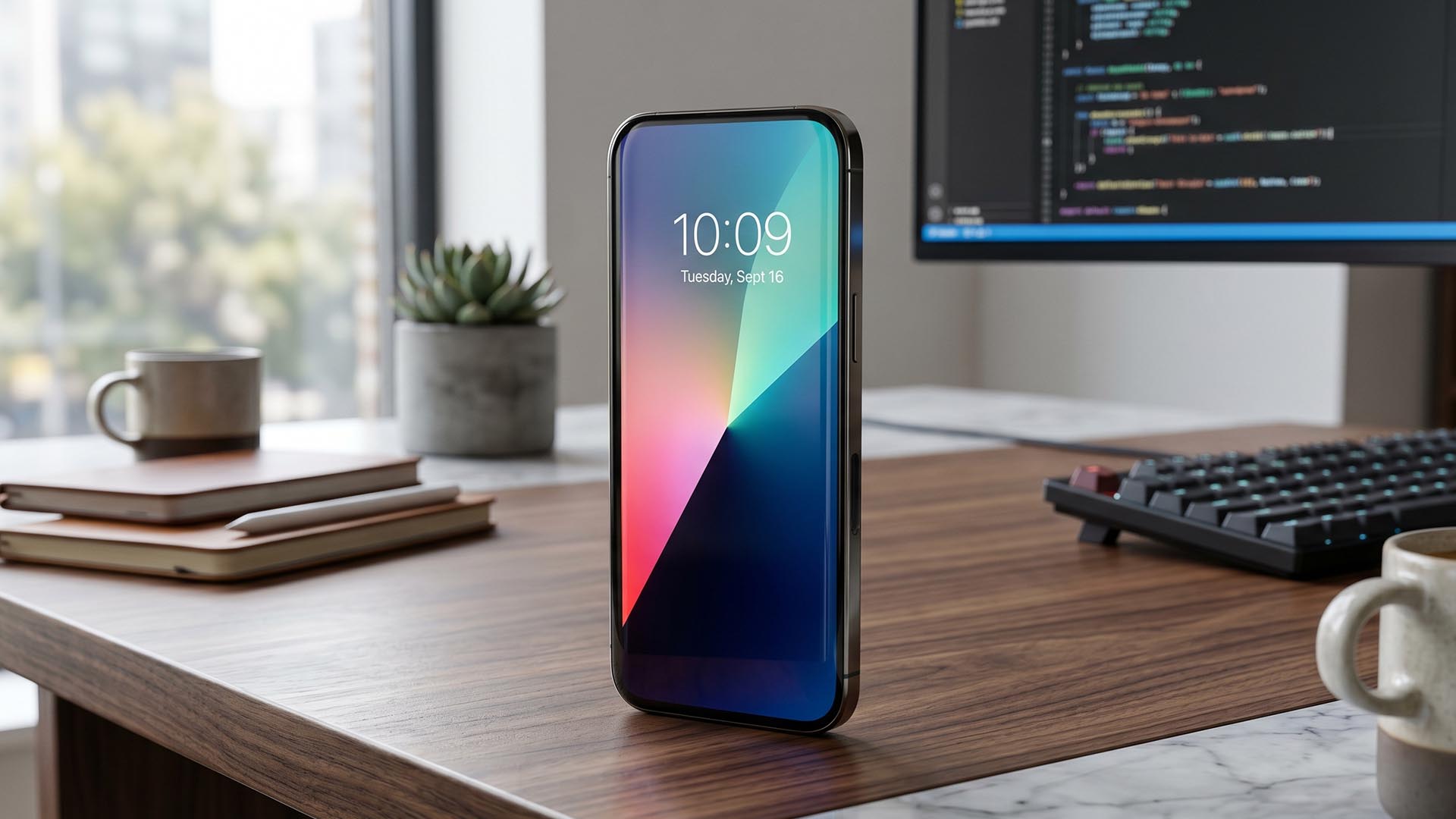
Apple’s iPhone 20 could mark one of the biggest design shifts in the company’s history, with reports pointing to a quad-curved display that wraps more aggressively around the edges than anything Apple has shipped before. Paired with Apple’s Liquid Glass user interface, the goal is a sleek, continuous look that creates a near bezel-less illusion from the front. It’s an eye-catching direction, but it also introduces serious manufacturing complexity—and that complexity may translate into a much higher price tag.
One of the biggest reasons the iPhone 20 could become so expensive is the display supply situation. Current reports indicate Apple may rely on a single manufacturer for this new quad-curved OLED panel: Samsung. When Apple has had only one OLED supplier in the past, costs have climbed quickly. A well-known example is the iPhone X, where the OLED screen was estimated to cost Apple roughly $110 to $120 per unit at the time. Even without any major memory supply issues back then, that display pricing helped push the iPhone X into “premium phone” territory and helped cement the idea that $1,000 smartphones were here to stay.
If Apple repeats that single-supplier approach for the iPhone 20’s more advanced quad-curved OLED, it could again face premium pricing per unit. While LG remains an important part of Apple’s broader supply chain, Samsung is widely seen as the partner most capable of meeting Apple’s massive production volumes and strict quality standards for a cutting-edge panel like this.
Display costs may not be the only pressure point. Apple CEO Tim Cook has reportedly warned that the company’s DRAM stockpile is running low, which raises fresh concerns about memory pricing and availability heading into next year. Adding to that, estimates suggest an 8GB LPDDR5X RAM module could cost around $180—an unusually large slice of the total bill of materials. If those numbers hold, RAM alone could account for a significant portion of what it costs Apple to build each iPhone 20, making it even harder to keep retail pricing from climbing.
All of this sets the stage for what could be Apple’s most expensive iPhone launch yet: a highly complex, next-generation display with limited sourcing, combined with memory constraints that may inflate component costs across the board. Of course, Apple has historically been effective at turning high-end design into a selling point. If the iPhone 20 truly delivers a dramatic “all-screen” look and a polished Liquid Glass software experience to match, Apple could position the device as a major leap forward—and justify the premium in the eyes of buyers.
For consumers, the takeaway is simple: the iPhone 20 is shaping up to be a standout visual redesign, but anyone planning an upgrade may want to prepare for a price that reflects both ambitious engineering and a tougher supply environment.