Apple is reportedly preparing a major shift in wireless hardware for the iPhone 18 series, with the entire lineup expected to drop Qualcomm 5G modems and move to Apple’s own C2 baseband chip. The C2 has reportedly been in development since around the time the iPhone 16e launched, and it could mark a big step forward for Apple’s push to control more of the iPhone’s core components.
Alongside the modem change, a new report suggests Apple is also planning to introduce an updated wireless networking chip for the iPhone 18 family. This chip is said to be the N2, positioned as the direct successor to Apple’s N1. Apple previously highlighted the N1’s gains in performance and reliability for features such as AirDrop and Personal Hotspot, but the latest information doesn’t spell out exactly what improvements the N2 will bring. Even so, the move to a second-generation chip hints at continued optimization for Wi‑Fi and local connectivity, which are key parts of the everyday iPhone experience.
The headline upgrade on the cellular side may be what the C2 enables. The C2 modem is expected to support both sub‑6GHz and mmWave 5G, potentially giving Apple-built iPhones access to the fastest 5G speeds where mmWave coverage exists. If that happens, it would be a notable milestone, since mmWave performance has traditionally been tied to Qualcomm modem solutions. The C2 is also rumored to be built on TSMC’s 4nm process, a shift that could improve power efficiency—an important factor for battery life, especially as 5G use increases.
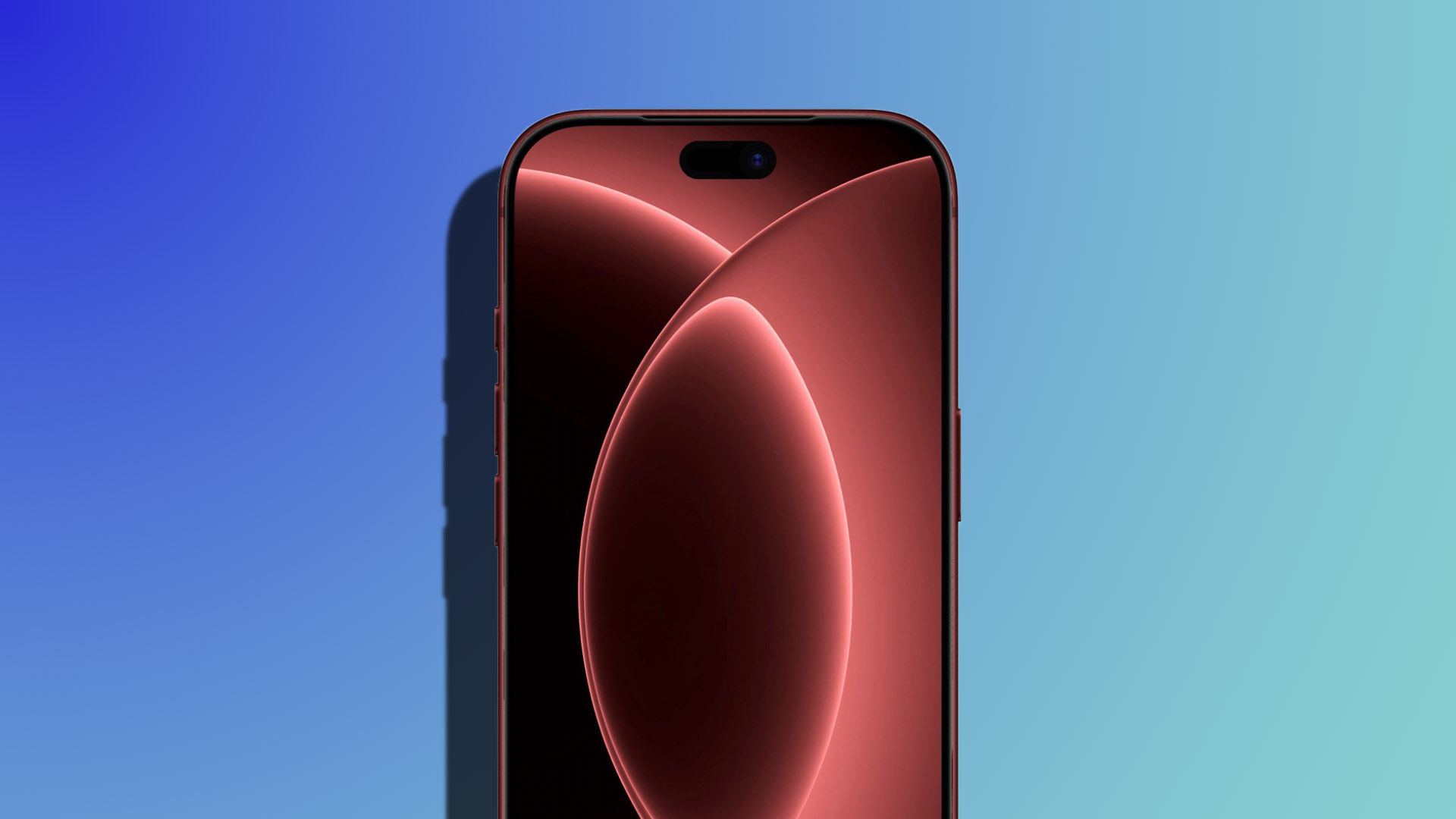
Beyond connectivity, iPhone 18 Pro models are rumored to get a visual update on the front. Apple is said to be working on moving Face ID components behind the OLED display, which could allow the Dynamic Island to shrink significantly. Estimates suggest the cutout could be reduced by around 35 percent, potentially boosting the screen-to-body ratio on the iPhone 18 Pro and iPhone 18 Pro Max and giving the display a cleaner, more immersive look.
Performance upgrades are also expected at the high end. The iPhone 18 Pro and iPhone 18 Pro Max are rumored to run on the A20 Pro, which could be Apple’s first 2nm chipset. If accurate, that typically points to gains in efficiency and speed, and it could also help Apple balance higher performance with better battery endurance.
Camera improvements may be on the way too. Variable aperture technology is reportedly in the mix for the iPhone 18 Pro lineup, which could add more flexibility when shooting in different lighting conditions. For users, that could mean better control over depth of field and improved results in challenging scenes, depending on how Apple implements the feature.
As of now, the iPhone 18 Pro and iPhone 18 Pro Max are still expected to launch in September, following Apple’s usual release pattern. There’s also ongoing talk that Apple’s first foldable iPhone could appear later in the year, potentially making the next iPhone cycle one of the most hardware-changing updates in a long time.