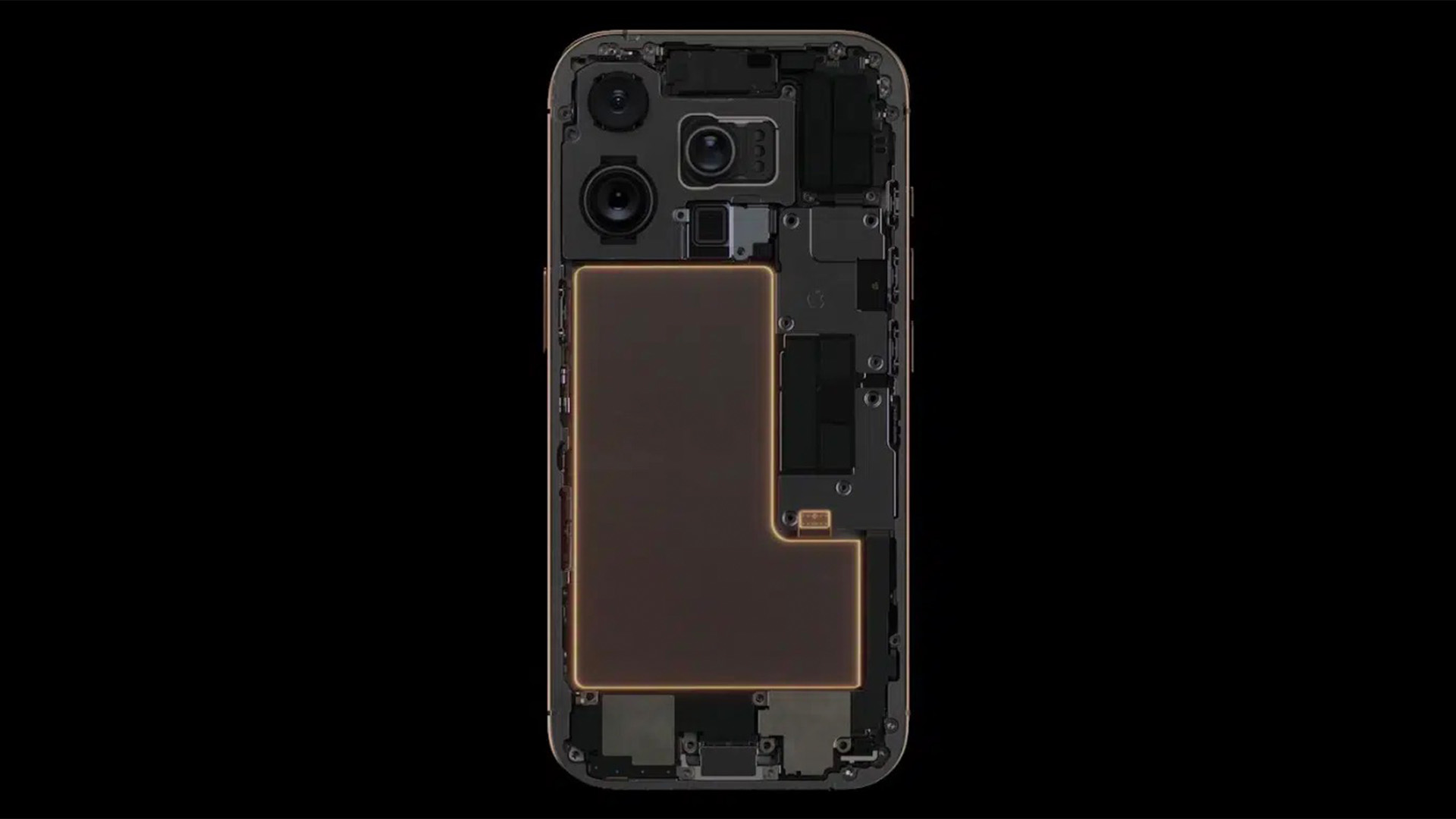
A new supply-chain rumor suggests Apple is preparing a noticeable battery bump for the iPhone 18 Pro Max, even if the raw numbers don’t look dramatic at first glance. And if the leak is accurate, it could be a strong reason to pause an iPhone 17 Pro Max upgrade and see what the next-generation flagship delivers.
According to the claim shared by tipster Digital Chat Station, Apple will offer different battery capacities again depending on region and configuration, with separate figures mentioned for eSIM and non-eSIM models. The iPhone 17 Pro Max is said to land at 4,823mAh for the non-eSIM version and 5,088mAh for the eSIM version.
For the iPhone 18 Pro Max, the non-eSIM model is rumored to move to 5,000mAh or higher, which would be about a 3.67% increase over the non-eSIM iPhone 17 Pro Max. The eSIM model is tipped to reach somewhere between 5,100mAh and 5,200mAh or more, translating to as much as a 2.20% increase over the iPhone 17 Pro Max eSIM variant.
Those percentage gains may sound modest, but battery life isn’t just about capacity. The bigger story is efficiency. The iPhone 18 lineup is expected to introduce Apple’s A20 and A20 Pro chips, reportedly manufactured on TSMC’s advanced 2nm N2 process. A smaller process node, combined with architectural improvements, typically means better performance per watt—so Apple can squeeze more real-world screen time out of only slightly larger batteries.
The rumor also points to Apple pairing the new chips with a C2 5G modem. Modem efficiency can have a major impact on everyday battery drain, especially for people who stream content on cellular, use navigation frequently, or spend long hours on 5G. If the A20 Pro and C2 modem deliver meaningful power savings, the iPhone 18 Pro Max could offer a significant leap in endurance without needing a massive battery increase on paper—potentially explaining earlier chatter that the device might be slightly thicker or heavier to accommodate hardware changes.
To put Apple’s battery optimization into context, the report highlights an example where a competing phone with a much larger 7,500mAh battery reportedly only edges out an iPhone 17 Pro Max by about five minutes in battery testing, despite having roughly 55% more capacity. Whether or not that exact comparison holds across all real-world scenarios, it underscores a familiar theme: Apple often gains battery life through efficiency improvements as much as, or more than, sheer battery size.
Interestingly, the biggest battery in Apple’s future lineup may not belong to the Pro Max at all. Another claim suggests a foldable iPhone could eventually arrive with a 5,500mAh battery, positioning it as Apple’s largest-capacity iPhone to date.
For now, these iPhone 18 Pro Max battery capacities are still rumor-level information. But when you combine a potential 5,000mAh+ class battery with a next-gen 2nm A20 Pro chip and a newer C2 5G modem, it becomes easier to see why the iPhone 18 Pro Max could be a meaningful battery-life upgrade—especially for power users who prioritize all-day endurance.


