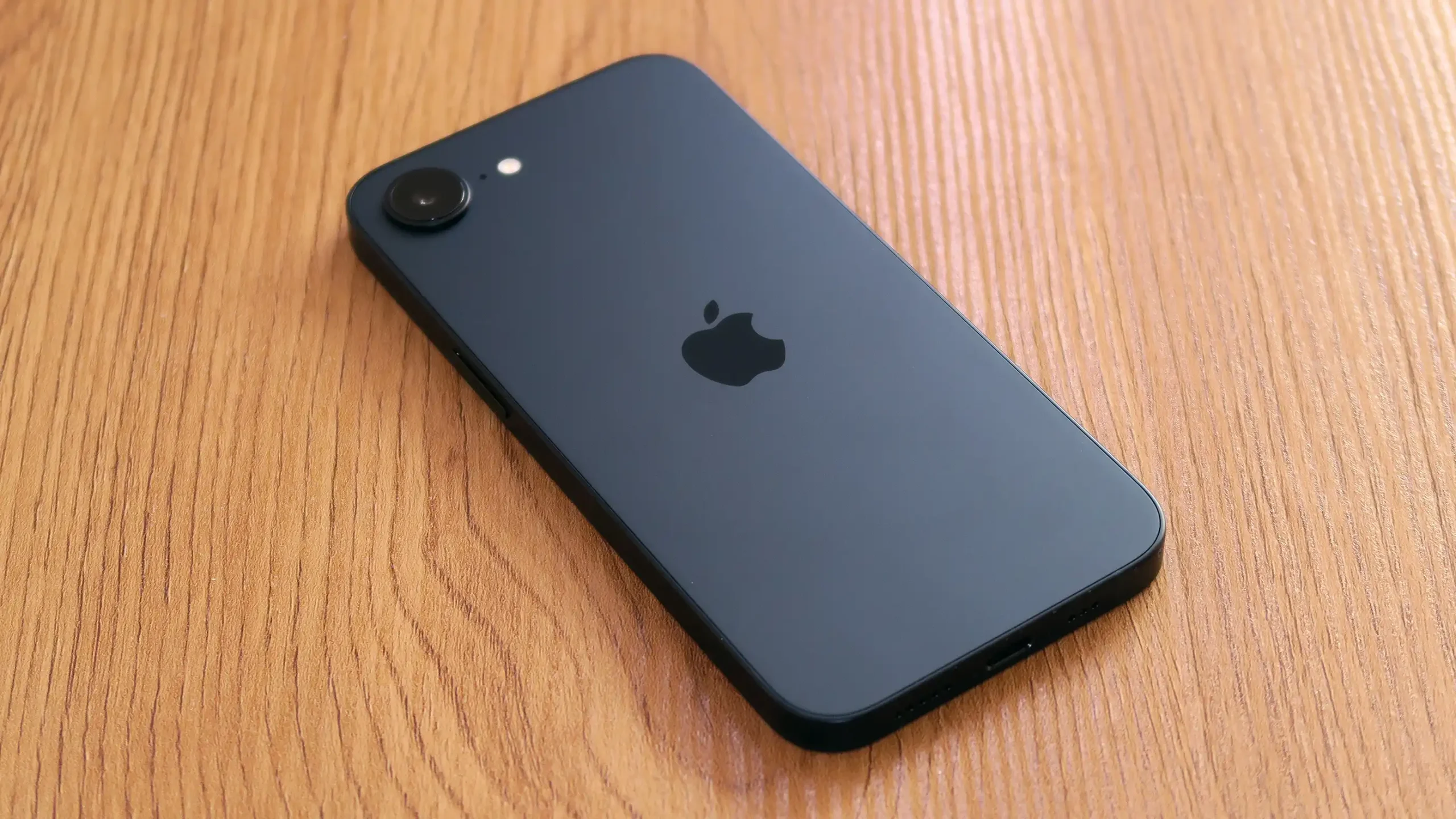
Apple’s next budget iPhone is already generating plenty of buzz, and the latest leaks suggest the iPhone 17e could arrive in the coming weeks. While it’s expected to borrow some of Apple’s newer design language and gain a few meaningful internal upgrades, anyone hoping for a major display leap may want to temper expectations.
One of the biggest changes tipped for the iPhone 17e is the move to Dynamic Island. That would finally retire the older notch design on Apple’s more affordable model, bringing it visually in line with the rest of the iPhone lineup. For many shoppers, that alone makes the phone feel more “current,” especially if you’ve been waiting for a budget iPhone that doesn’t look like it’s from a previous era.
The screen, however, is rumored to remain the same size and spec in the areas that matter most to enthusiasts. Current chatter points to a 6.1-inch LTPS OLED panel with a 60Hz refresh rate. That means scrolling and animations likely won’t feel as fluid as on iPhones with higher refresh displays. This is particularly notable because the standard iPhone 17 is said to offer a smoother 120Hz viewing experience, widening the gap between Apple’s entry model and its higher-tier devices.
On the performance side, the iPhone 17e is expected to be powered by Apple’s A19 chip. Reports suggest a modest gain over the A18 found in the iPhone 16e, roughly in the 5–10% range. That kind of bump may not sound dramatic on paper, but it can help with day-to-day responsiveness, longevity through future software updates, and heavier tasks like photo editing or gaming.
There are also signs that launch timing is getting closer. The iPhone 17e is believed to have entered mass production recently, which typically happens when a release window is approaching. If accurate, that supports the expectation of a spring 2026 launch.
Connectivity and charging upgrades are also part of the rumor package. The iPhone 17e is said to include an Apple C1-series modem, though it may not use an N1 chip. In addition, “magnetic wireless charging” is expected, which could make charging and accessory alignment more convenient for users who prefer wireless setups.
Camera details point to a practical, familiar configuration: a 12MP front-facing camera for selfies and video calls, Face ID support, and a 48MP rear camera. While this doesn’t confirm how many rear lenses the phone will have, a 48MP main sensor can still deliver noticeably improved detail and better low-light performance compared to older budget iPhone cameras, especially when paired with Apple’s image processing.
Pricing is expected to stay consistent with Apple’s current budget strategy. The iPhone 17e may launch at $599, matching the iPhone 16e. The more interesting possibility is storage: Apple could make the value proposition stronger by starting at 256GB instead of a lower-capacity base model. If that happens without a price increase, it could be one of the most consumer-friendly changes in the entire package.
Overall, the iPhone 17e is shaping up to be a “modernized design, sensible upgrades” kind of refresh rather than a spec-heavy jump. Dynamic Island, the newer A19 chipset, and potential storage improvements could make it a compelling midrange pick, even if the 60Hz display remains the biggest compromise.