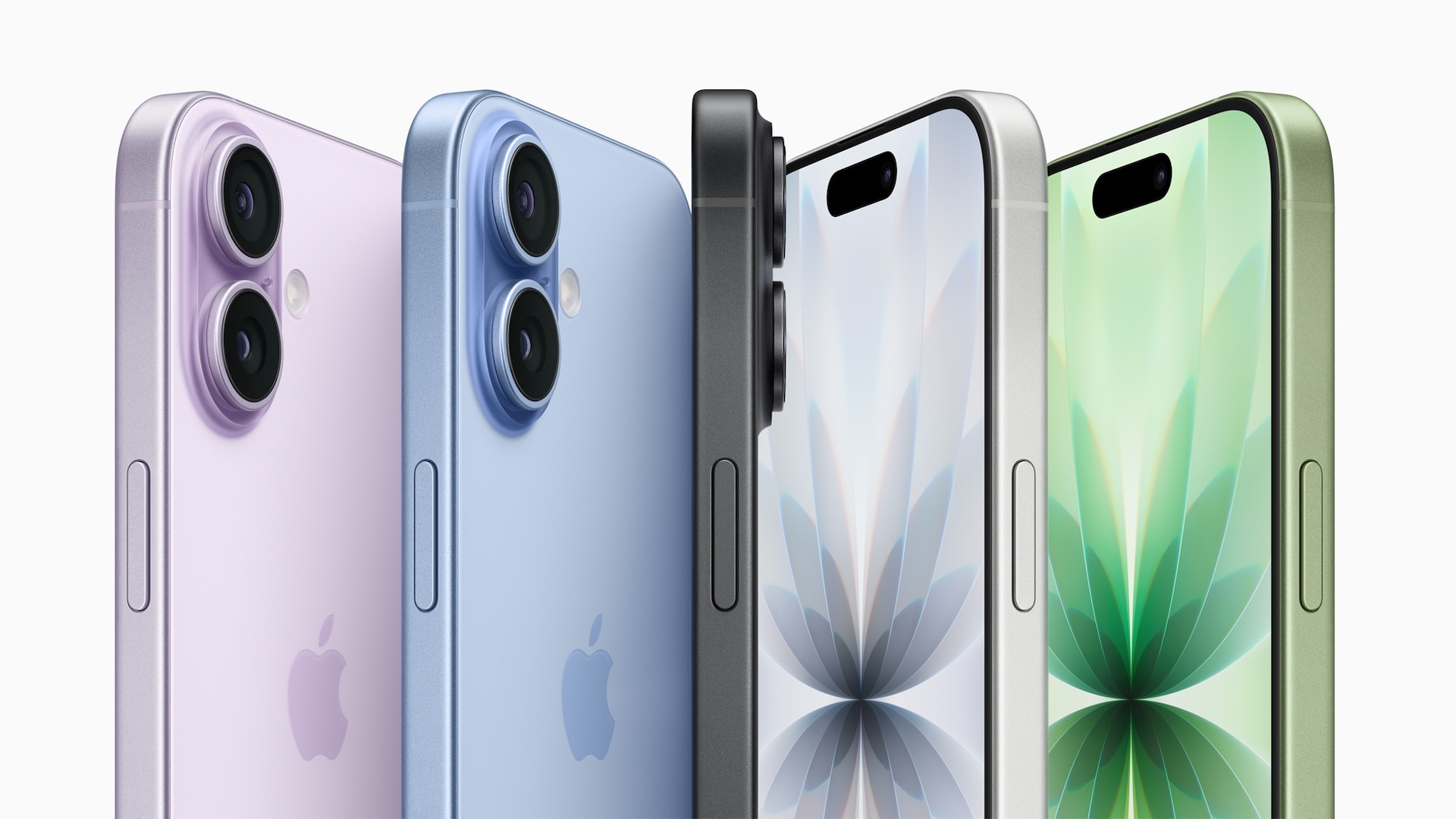
Apple’s iPhone 17 lineup is off to a blazing start, with early sales momentum pointing to a strong upgrade cycle across key markets. Fresh data from Counterpoint shows the new models outpacing the previous generation in the crucial opening stretch, driven by sharper value at the entry level, aggressive carrier incentives, and targeted regional perks.
Counterpoint reports that the iPhone 17 series outsold the iPhone 16 series by 14 percent during the first 10 days of availability in the United States and China. That early lift suggests robust demand across both mainstream and premium buyers.
Key takeaways from the sales mix and performance:
– The base iPhone 17 now accounts for 22 percent of Apple’s sales mix, up from 19 percent for the base iPhone 16, and is selling 31 percent better than its predecessor.
– iPhone 17 Pro and Pro Max models represent 75 percent of Apple’s sales mix, just a tick below the 76 percent share for the previous generation, while outselling their prior versions by 12 percent.
– iPhone 17 Air holds 3 percent of the sales mix, compared to 4 percent for the iPhone 16 Plus.
What’s powering the demand surge:
– Stronger value at the entry level: The base iPhone 17 adds a better chip, improved display, higher base storage, and a selfie camera upgrade—all at the same $799 starting price as the base iPhone 16. That combination is clearly resonating with value-conscious buyers who still want meaningful upgrades.
– Price support in China: The base iPhone 17 qualifies for China’s national digital product subsidy program, which provides a 15 percent discount on devices priced below 6,000 yuan (roughly $841), capped at 500 yuan. This targeted incentive lowers the effective price and helps accelerate adoption.
– eSIM curiosity boosts iPhone 17 Air in China: The Air model’s eSIM-only setup is drawing attention as a novelty in that market, giving it a unique edge despite its smaller share of the lineup.
– Bigger carrier incentives in the US: The three major carriers have increased subsidies for iPhone 17 Pro and Pro Max by 10 percent (or $100), amplifying the appeal of Apple’s premium models for customers who upgrade through installment plans and trade-in offers.
What it means for Apple’s 2024-2025 iPhone cycle:
– A stronger entry model without a price hike expands the addressable market and encourages earlier upgrades.
– A healthy premium skew remains intact, with Pro and Pro Max still commanding the majority of sales despite slightly lower mix share, aided by richer US carrier promotions.
– Regional levers—like China’s subsidy program and interest in eSIM—are helping Apple tailor demand drivers for local preferences.
The iPhone 17 family’s early outperformance over the iPhone 16 series underscores a compelling balance: noticeable year-over-year improvements at the base tier, coupled with sustained appetite for high-end Pro features. If carrier deals remain aggressive and regional subsidies persist, the momentum seen in the first 10 days could translate into a strong holiday quarter and a solid foundation for the rest of the sales cycle.