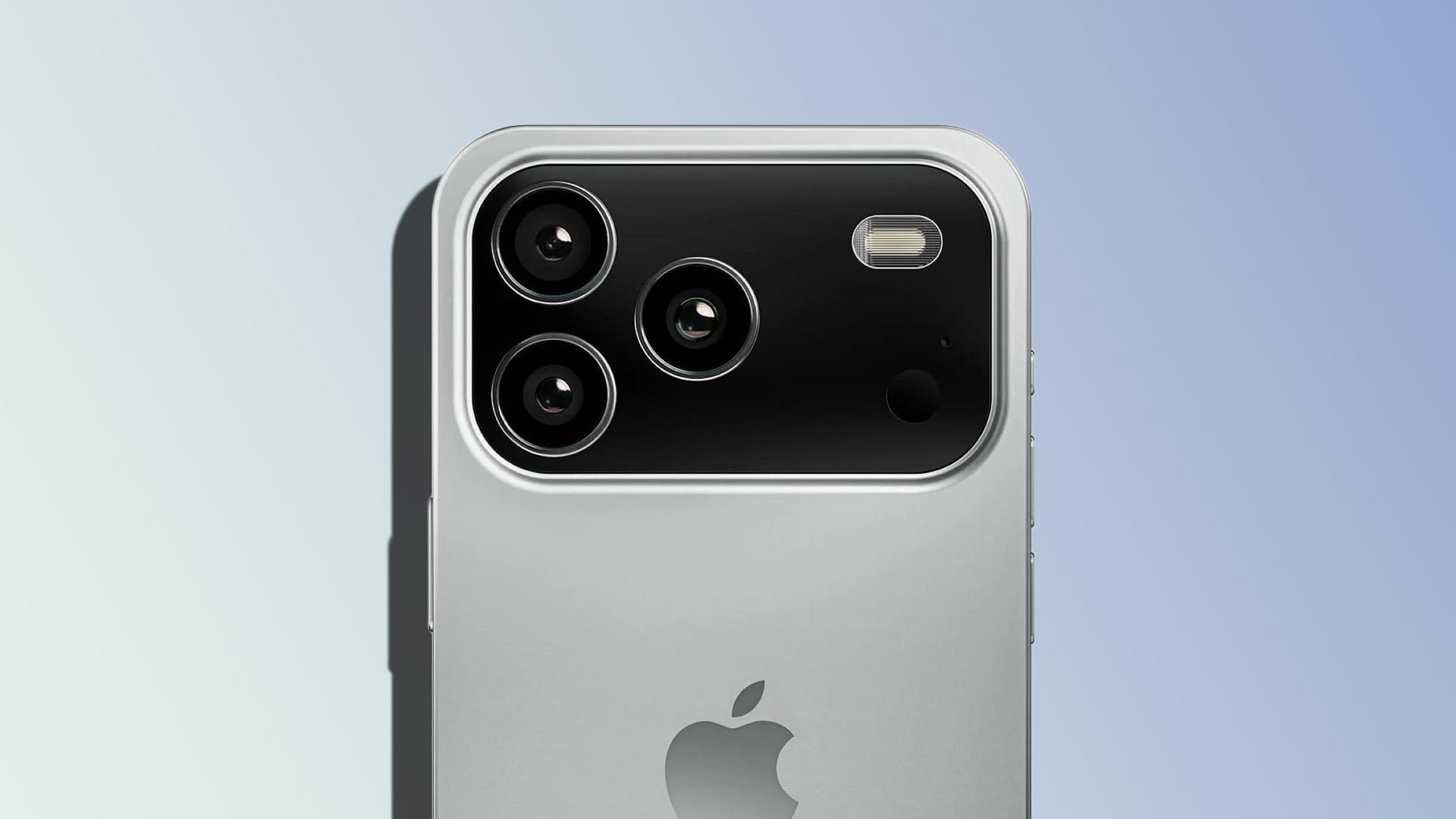
Apple’s recent iPhone pricing shift may not be a one-time move. Even if you skipped the latest generation with plans to upgrade later this year, new reports suggest the iPhone 18 lineup could end up costing more in certain configurations, driven largely by soaring DRAM and NAND flash prices.
The key detail is that Apple may not raise prices across the board. Instead, the expected increase would likely focus on higher-capacity storage models, while base storage versions could remain at last year’s pricing. If that happens, buyers looking for the best value may gravitate toward the entry configurations in bigger numbers than usual, potentially making the base iPhone 18 models the most popular in the lineup.
Why prices may rise: memory is getting dramatically more expensive
The current pressure point isn’t just one part—it’s multiple expensive components climbing at once. One previous industry analysis indicates DRAM could now represent around 20 percent of a smartphone’s manufacturing cost, which shows how quickly memory pricing is influencing the total bill of materials. When that kind of component spikes, it becomes much harder for phone makers to absorb the increase without passing some of it to consumers.
Complicating things further, Apple’s next-generation chips are also expected to cost more. The A20 and A20 Pro are projected to be expensive per unit due to the shift to TSMC’s 2nm N2 process, which is a major manufacturing leap that typically comes with higher early costs. Even with Apple’s scale and supply chain leverage, the combination of pricier silicon and a memory pricing surge could force changes to iPhone 18 pricing strategy.
Supply chain advantage may not be enough this time
According to commentary attributed to major financial institutions, Apple’s usual ability to negotiate favorable supply terms may not fully protect it from the ongoing memory crunch. Reports also suggest Apple attempted to lock in DRAM arrangements with major suppliers like Samsung and SK hynix, but the broader market conditions are still pushing costs higher.
One eye-catching estimate claims a 12GB LPDDR5X memory module could be around $70—far above the roughly $25 to $29 range Apple was reportedly paying earlier in 2025. If accurate, that’s a massive jump and the type of increase that can quickly translate into higher retail prices, especially on models with more memory or storage.
Samsung is also said to be positioned as Apple’s largest DRAM supplier for both iPhone 17 and iPhone 18 shipments, potentially covering around 60 to 70 percent of volume. That could help Apple stabilize supply, but it doesn’t automatically eliminate cost increases when the market is tight.
What this could mean for iPhone 18 buyers
If a $50 to $100 price increase lands, it may apply mainly to higher-storage iPhone 18 variants rather than the base models. That distinction matters because Apple already raised the starting storage tier to 256GB for the iPhone 17 family. If that baseline continues with iPhone 18, many users may find the base model offers enough space for apps, games, photos, and downloaded media without being forced into the pricier tiers.
In that scenario, 256GB iPhone 18 models could become the top sellers simply because they sit at the intersection of value and practicality. The 512GB versions may still be the “sweet spot” for power users who store lots of video or large games, but the combination of higher memory costs and potential price increases could push a larger share of buyers toward the base configuration.
For consumers trying to plan an upgrade, the takeaway is straightforward: the iPhone 18 may not be uniformly more expensive, but opting for higher storage could cost noticeably more this year if memory pricing stays elevated.