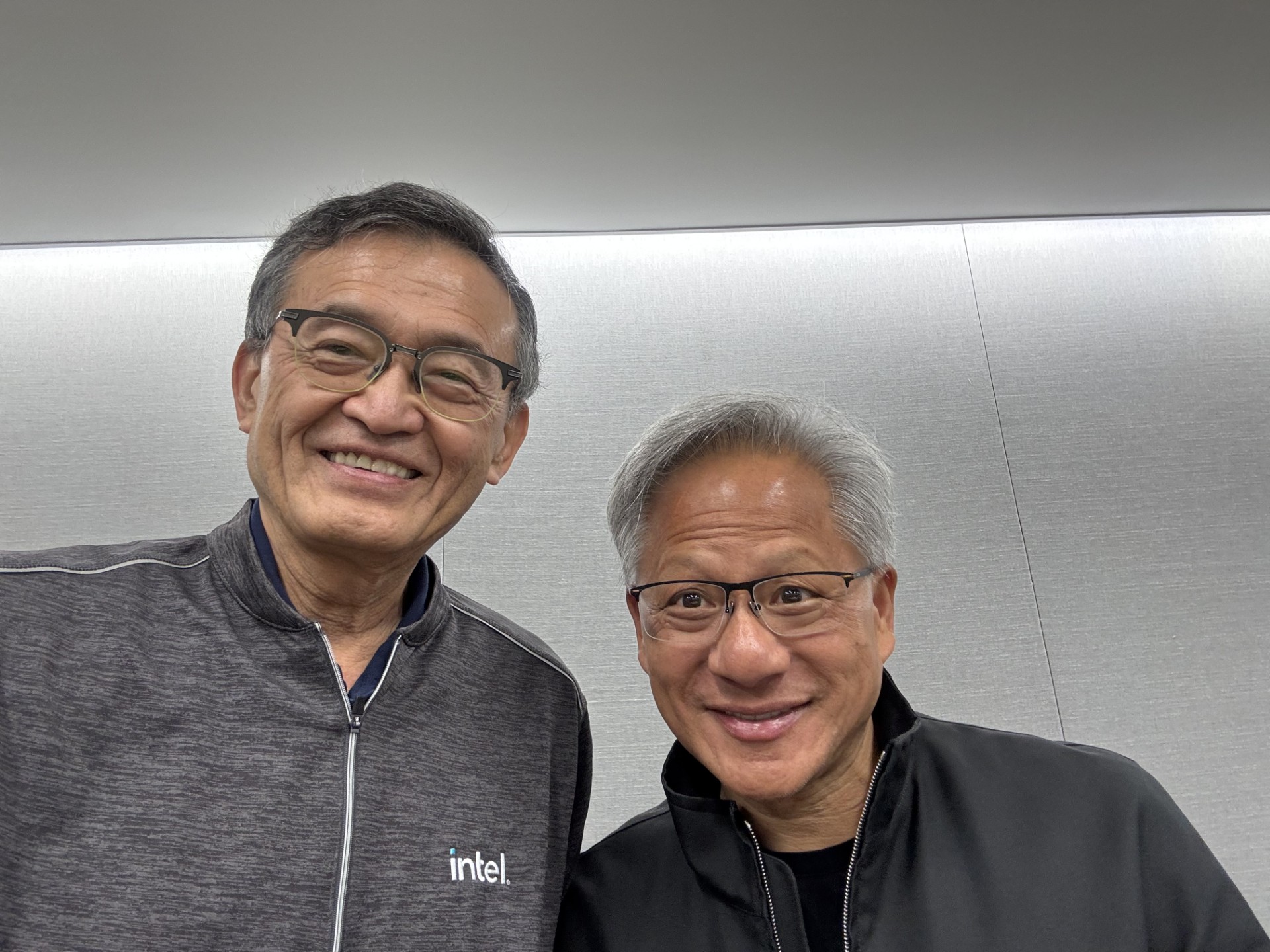
Intel is set to take a much bigger role at NVIDIA’s GTC 2026 event, shifting from a simple attendee to a key partner shaping what comes next for NVIDIA’s compute platforms. With AI infrastructure expanding at breakneck speed, the spotlight is turning to a problem that has become impossible to ignore: CPUs are increasingly the limiting factor in high-end AI systems.
The two companies recently formalized their cooperation through a reported $5 billion agreement focused on CPUs across consumer and enterprise markets. At GTC, Intel is expected to outline how this partnership will translate into real-world products and deployments, with a strong emphasis on enterprise server CPUs designed for AI data centers.
Although Intel hasn’t detailed exactly what it will announce, the clear theme is removing the CPU bottleneck in modern AI racks. This challenge has intensified as “agentic” AI workloads proliferate, pushing systems to handle more orchestration, scheduling, memory management, and data movement alongside raw GPU compute. As AI clusters scale up, CPUs matter more, not less—and major players across hyperscale and AI research have been signaling that shift by exploring CPU-focused infrastructure arrangements around NVIDIA’s platforms.
One likely outcome at GTC is a clearer picture of how Intel Xeon processors will integrate into NVIDIA’s AI rack designs. Intel is already tied into NVIDIA’s NVLink Fusion ecosystem, which makes Xeon participation in NVIDIA-aligned server configurations a logical next step. The biggest open question is which Xeon generation will be positioned as the preferred pairing. If Intel moves forward with its newest server lineup, that could point to 6th-generation Xeon platforms such as Sierra Forest and Granite Rapids being validated for NVIDIA-centric AI racks, though final confirmation will likely come from what Intel chooses to reveal during the event.
Separately, Intel and NVIDIA are also said to be collaborating on an x86 laptop-oriented system-on-chip that would incorporate RTX GPU chiplets. However, GTC is traditionally centered on enterprise AI, accelerated computing, and data center roadmaps, so this consumer-focused project is not expected to take center stage. That timeline also appears longer-term, especially with NVIDIA simultaneously developing ARM-based laptop processors in the N1/N1X family, suggesting any joint Intel-NVIDIA laptop SoC would arrive later.
NVIDIA’s GTC event begins March 16, with CEO Jensen Huang expected to lay out NVIDIA’s near-future direction in the AI race—alongside a better-defined role for Intel as both companies work to deepen the CPU-to-GPU integration needed for next-generation AI infrastructure.