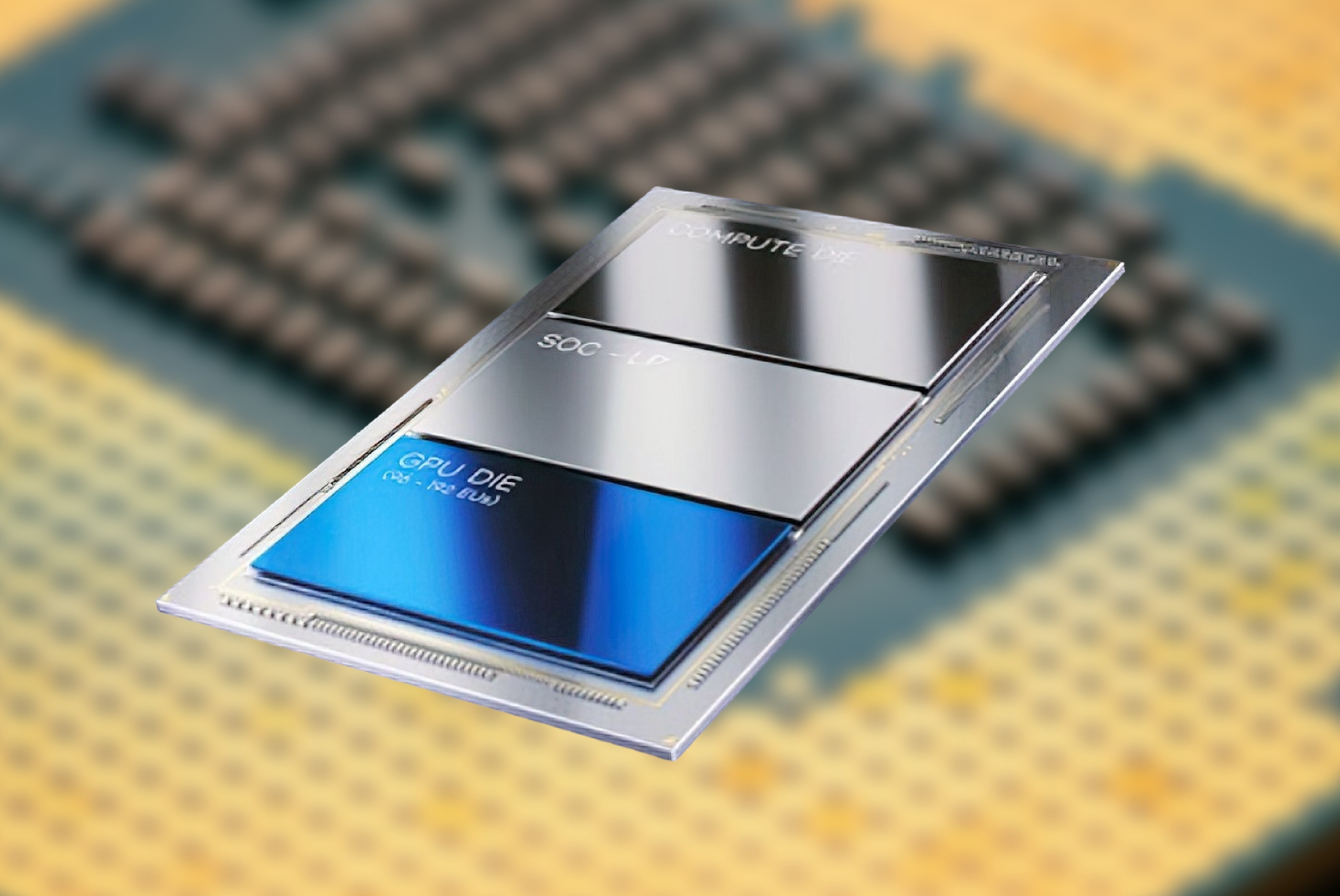
Intel has been striving to reach new heights in CPU development with the anticipated Royal Core project, which was expected to mark a significant leap forward, potentially rivaling Apple’s M-series SoCs in performance. However, recent developments suggest that the project’s trajectory has shifted.
Initially, the Royal Core project was spearheaded by Jim Keller, a renowned engineer acclaimed for his work on AMD’s Zen architecture. The project aimed to explore groundbreaking technologies, including Rentable Units and 4-way Hyperthreading, and the integration of CPU tiles that could alternate between performance (P) and efficiency (E) cores as required. This ambitious initiative was intended to be Intel’s response to the success of AMD’s Zen and serve as a milestone in CPU architecture advancement.
Beast Lake, a specific CPU architecture within the Royal Core initiative, was anticipated to be the premier showcase of these innovative technologies. However, the latest information indicates Beast Lake may no longer be in Intel’s plans, resulting in the dispersion of Royal Core elements into separate projects.
Consequently, rather than witnessing a singular CPU architecture embracing the full array of Royal Core’s novel features, future Intel releases may incrementally incorporate these technologies. One such upcoming architecture is Nova Lake, which may integrate select Royal Core innovations among its advancements.
While Intel’s immediate attention is reportedly turned towards Arrow Lake for desktop and Lunar Lake for mobile platforms, the company has yet to officially confirm the fate of Beast Lake and the implementation of Royal Core’s technologies in future projects. Observers and enthusiasts are advised to view these updates with caution until Intel provides a clear roadmap.
Amidst these developments, it is important to understand that Intel’s strategic shifts reflect a broader landscape change within the CPU industry, with competitors advancing rapidly and new architectural philosophies emerging. As users eagerly anticipate the next era of Intel CPUs, the company’s decisions and their eventual outcomes will be watched with keen interest.
Although the initial excitement around Royal Core and Beast Lake may have waned, the dispersion of their technologies into newer Intel projects still holds promise for innovation and performance enhancements in future CPU architectures. How Intel incorporates these elements into their roadmap will be pivotal for their competitive stance in the ever-evolving semiconductor market.