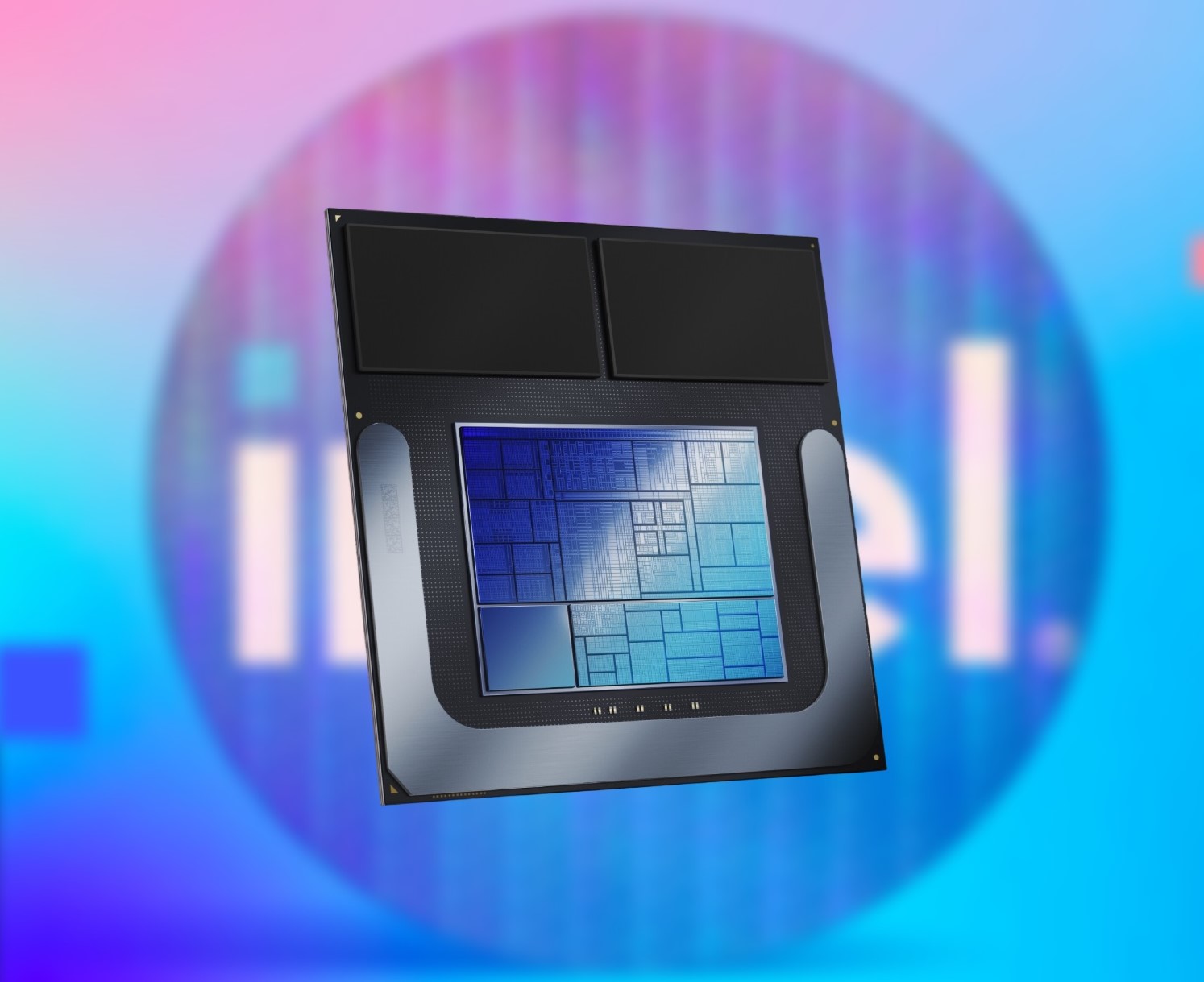
In early August, intriguing news hit the tech world: Intel’s Beast Lake CPU architecture had been canceled. This development was especially significant because Beast Lake was expected to be the inaugural full implementation of Jim Keller’s legendary Royal Core project.
According to leaks from Moore’s Law Is Dead (MLID), Intel is pivoting away from developing a single CPU architecture that integrates the entire Royal Core technology suite. Instead, they’re reportedly opting to incorporate these innovations into future architectures on a piecemeal basis.
MLID has unveiled additional details about the now-defunct Royal Core roadmap, including the hardware specifications of both the Beast Lake and its successor, Beast Lake Next.
The Ill-Fated Royal Core CPU Roadmap:
Before Intel decided to shelve Royal Core, the plan was to introduce Arrow Lake as a transitional architecture to prepare the stage for Royal Core. One notable decision with Arrow Lake was the omission of Hyperthreading (HT). MLID’s sources suggest that Intel chose to maximize single-thread performance by simplifying the core design, given that HT was already being phased out.
Nova Lake, slated for release around 2026, was to be the first true iteration of the Royal Core architecture without HT. Intel intended to equip Nova Lake CPUs with “Rentable Units” designed to deliver substantial single-thread performance gains. While Nova Lake’s release is still anticipated, the extent to which it will incorporate Royal Core technologies remains unclear.
Following Nova Lake, Intel was planning to launch Beast Lake in 2027 and Beast Lake Next in 2028.
Intel Beast Lake Prospects:
Beast Lake was expected to debut in 2027, featuring up to 12 performance cores (P-cores) and 16 efficiency cores (E-cores), totaling 28 cores. MLID reports that Intel aimed to include Rentable Units (RUs) in Beast Lake CPUs, enabling each module to handle two threads. As described by MLID, these RUs could function as both large cores and split into smaller cores if necessary, offering flexibility and performance.
Even more intriguing is the revelation that Intel had planned a “Royal Core 2.0” architecture named Beast Lake Next. This new iteration was intended to be the ultimate realization of Jim Keller’s vision, sporting up to 6 P-cores in the flagship CPU tile, each capable of four threads per Rentable Unit. This architecture would allow a core to divide into up to four individual smaller units, offering unprecedented versatility.
MLID’s information suggests that a 6 P-core Beast Lake Next CPU tile could transform into configurations like 4+8 or 2+16, with one mode for high performance and the other for efficiency. Interestingly, this aligns with earlier leaks describing a move away from distinct P and E cores towards more versatile tiles operating in different performance modes.
Lastly, MLID claims that the non-split P-cores of Beast Lake Next could deliver over twice the Instructions Per Cycle (IPC) compared to Raptor Lake.
Why Cancel Such a Promising Project?
If MLID’s information holds true, a pressing question emerges: Why would Intel abandon such an ambitious and promising project? According to MLID, the answer lies with Intel CEO Pat Gelsinger’s strategic priorities. Despite the Royal Core project progressing well and meeting development milestones, Gelsinger allegedly canceled it in early 2024. The rationale? Gelsinger reportedly doesn’t see a future in high-performance desktop cores. Instead, he’s focusing on AI and server chips, betting that CPU cores will predominantly serve to interconnect GPUs in the coming technological landscape.
This pivot suggests a strategic shift at Intel, prioritizing emerging markets over traditional desktop performance cores.
By incorporating these developments and rumors, it’s clear Intel’s evolving strategy continues to generate substantial buzz and speculation in the tech community.