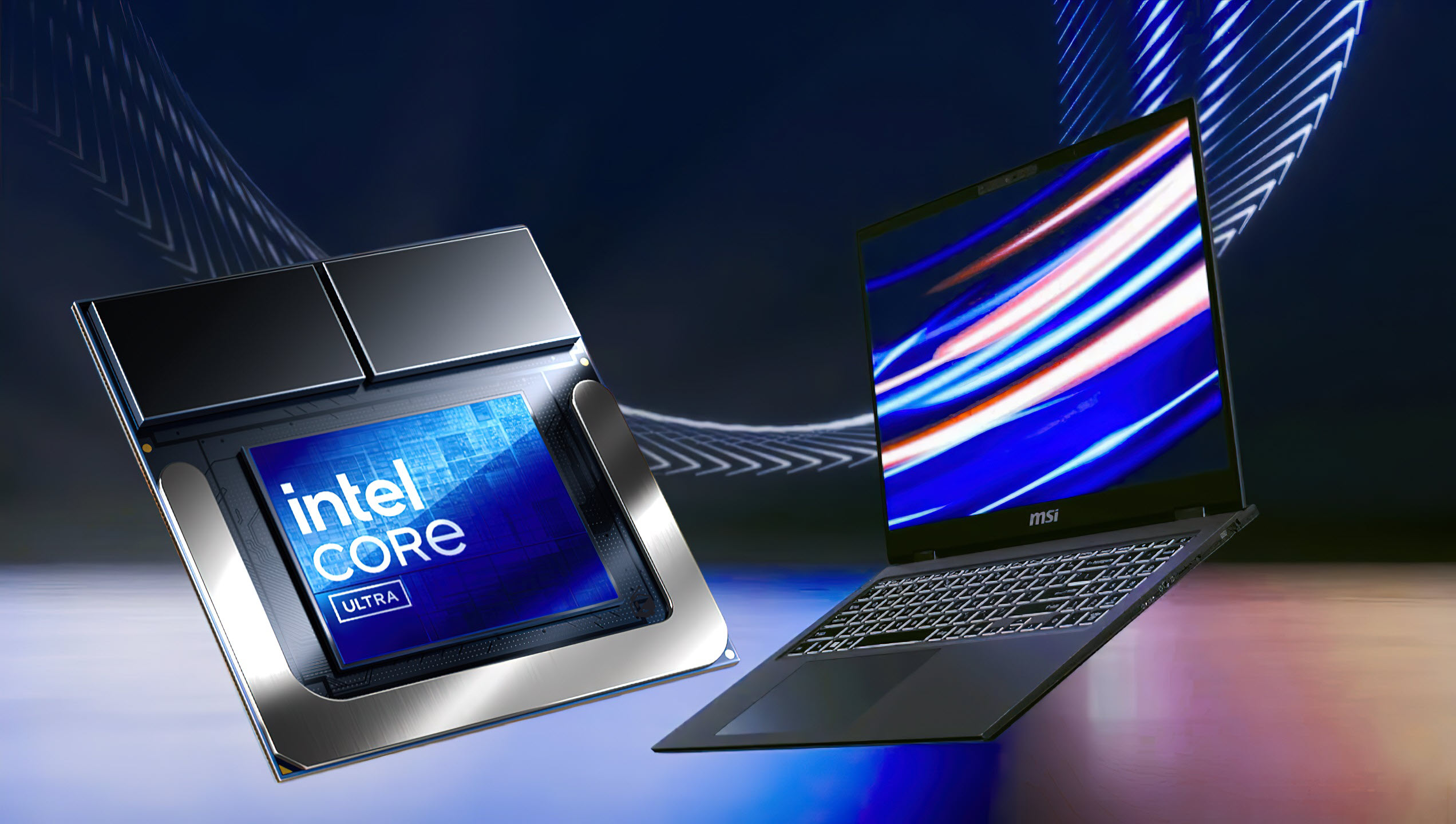
Intel’s latest processor, the Core Ultra 5 228V “Lunar Lake” CPU, has undergone performance testing in Geekbench, revealing scores that align with other similar processors. This particular CPU features 8 cores and utilizes 32GB of on-package LPDDR5X memory, targeting efficiency with a 17W-30W Thermal Design Power (TDP).
Recent Geekbench results have shown that the entry-level Core Ultra 5 228V processor, running on an MSI Prestige 13 AI+ EVO laptop, has reached scores of 2585 in single-core and 10053 in multi-core benchmarks. During the test, the CPU clocked a base frequency of 2.10 GHz, reaching up to a boost frequency of 4.485 GHz.
Additionally, the Core Ultra 5 228V comes with integrated Arc 130V graphics housing 7 Xe2 cores clocked at 1.85GHz. While this indicates some potential for gaming and graphical workloads, more specific benchmarks are needed to fully evaluate performance in those areas.
In comparison to its counterparts, the Core Ultra 5 228V delivers a steady multi-core performance similar to other Lunar Lake CPUs, which is largely attributable to the consistent core and thread count across the range. However, there is a marginal gap in single-core performance when compared to higher-end models. For example, the flagship Core Ultra 9 288V, along with the Core Ultra 7 256V and 268V, have achieved scores of 11048, 11031, and 10036 points, respectively.
It’s worth noting that the Core Ultra 5 228V was operating at a lower clock speed during testing, which suggests that there might be room for higher performance under different conditions. Nevertheless, the scores indicate the overall capability and efficiency of the processor.
Intel is gearing up for the launch of the Lunar Lake series, with an event scheduled to unveil the new processors on September 3rd in Berlin, Germany. The Lunar Lake lineup is expected to cater to a variety of form factors including laptops, notebooks, mini-PCs, and gaming handhelds.
The series will feature various models, each with specific configurations of cores, threads, cache memory, and graphics capabilities. The chips are differentiated by power levels, memory configurations, and graphics processing units, designed to balance power efficiency with computing performance.
With this upcoming range, Intel is likely to continue its focus on providing versatile CPUs that cater to different market segments, reinforcing its commitment to innovation in processor technology for a broad range of computing needs.