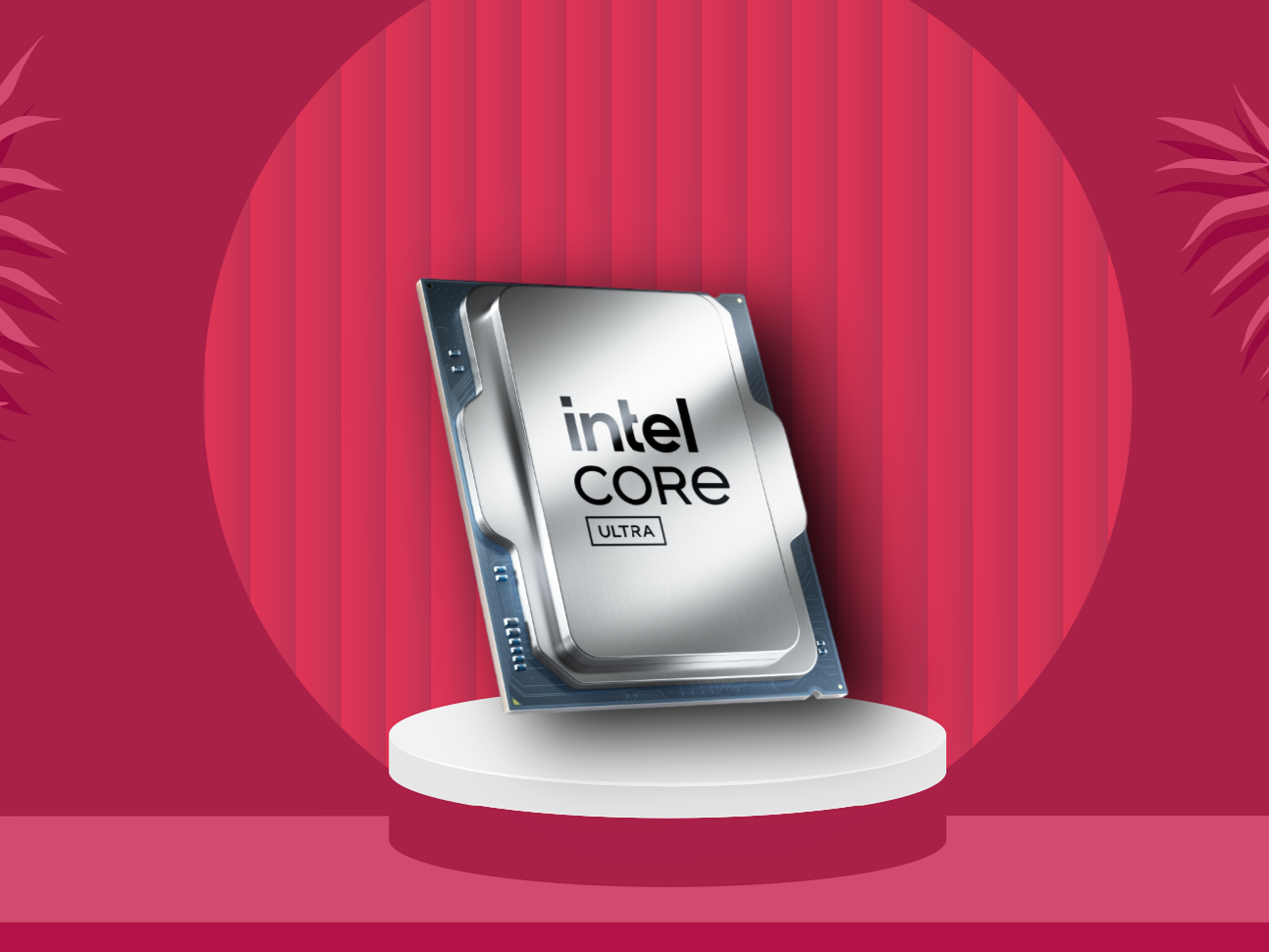
New leaks suggest Intel’s next big desktop CPU family, Nova Lake (expected to launch as Core Ultra 400), may have slipped to 2027. AMD’s Zen 6-based Ryzen lineup is also now being discussed on a similar timeframe, hinting that the next major CPU showdown for desktops could be further away than many enthusiasts hoped.
Even with the later window, the claims around both architectures are getting people excited because they point to substantial generational gains. The expectation is familiar but meaningful: more CPU cores, higher boost clock speeds, and improved IPC (instructions per clock). If those three trends land as rumored, the jump over today’s processors could be dramatic for everything from high-refresh-rate gaming to workstation-class workloads.
According to a well-known hardware leaker (HXL, also known as @9550Pro), Intel’s Nova Lake may deliver a bigger generation-over-generation IPC uplift than AMD’s Zen 6—specifically referencing Intel’s upcoming Coyote Cove performance cores. IPC improvements matter because they can raise performance even at similar clock speeds, often boosting responsiveness, frame rates in CPU-limited games, and speed in lightly threaded apps.
At the same time, the same chatter suggests AMD Zen 6 could take the lead in clock speeds, potentially boosting higher than Nova Lake. That’s a notable reversal from recent history, since Intel previously leaned hard on very high out-of-the-box frequencies in its desktop lineup. If AMD is the one pushing higher clocks this time, the usual “Intel clocks higher, AMD wins on efficiency” narrative could look very different by 2027.
Where this gets especially interesting is the broader platform-level rumor: Nova Lake desktop chips could scale up to as many as 52 total cores. If accurate, that kind of core count would be a major lever for multi-threaded performance in tasks like rendering, video encoding, large code compiles, and AI-assisted workloads. Combined with the reported IPC gains, it’s why some are starting to argue that Intel could retake the overall performance crown across both single-core and multi-core benchmarks.
Gaming is the other big battlefield. AMD has enjoyed a strong reputation in games partly thanks to additional cache designs that can lift frame rates in many titles. But Nova Lake is now rumored to include a large last-level cache configuration (sometimes described as “big LLC”). If Intel pairs higher IPC with a larger cache pool, AMD’s typical edge in certain gaming scenarios could shrink—especially in CPU-bound esports titles and high-FPS setups.
Some commentary around these leaks goes even further, suggesting Nova Lake could be strong enough to compete with Apple’s next-generation silicon in single-core performance while pulling ahead in multi-core results. That’s ambitious, and it’s worth treating as early speculation rather than a guaranteed outcome, but it underscores the growing expectation that the 2027 CPU generation may bring one of the biggest competitive shifts in years.
For now, the practical takeaway is simple: the Nova Lake vs. Zen 6 battle is shaping up to be about IPC versus clock speed, plus a potentially huge jump in core counts and cache strategies. If the timelines and technical claims hold, 2027 could mark a major reset in the desktop CPU hierarchy—impacting gaming performance, creator workloads, and overall best-CPU-for-the-money conversations in a big way.