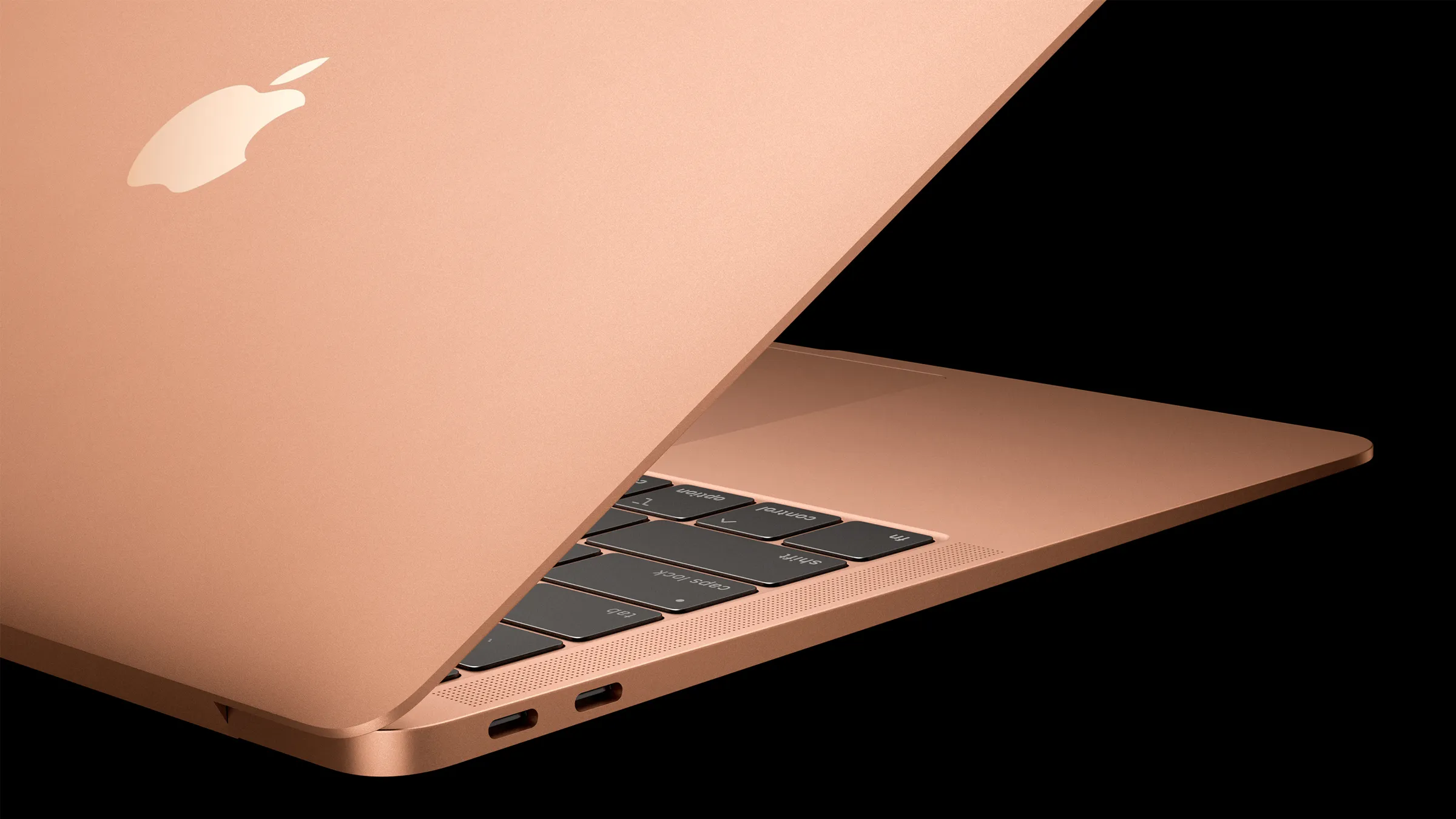
Apple has quietly moved another familiar Mac into its “vintage” category: the 13-inch Retina MacBook Air released in 2020. For many owners, it’s a small label change that can have big real-world consequences—especially if you rely on Apple for repairs, battery replacements, or other hardware service.
What it means when an Apple product is labeled “vintage”
Apple uses the “vintage” tag for products that reached a specific point in their support lifecycle—typically around five years after Apple stopped distributing them for sale. A vintage product isn’t automatically cut off from service, but there’s an important catch: repairs are only possible if the necessary parts are still available.
In practical terms, that means some Apple Stores or authorized service providers may still be able to fix a vintage MacBook Air, while others may turn you away if replacement components are no longer stocked. Availability can differ by region and even by individual service location.
Vintage is also the last stop before “obsolete”
If you’re wondering how close “vintage” is to the end of the road, here’s the key detail: Apple generally marks products as “obsolete” about seven years after it stops distributing them. Once a device is labeled obsolete, it no longer qualifies for hardware service or repairs through Apple Stores and authorized providers. That’s when getting official repairs becomes effectively impossible.
Why the 2020 13-inch MacBook Air matters
The 2020 13-inch MacBook Air stands out because it was the last MacBook Air generation to use an Intel processor. Every MacBook Air model released after that moved to Apple’s M-series chips. As Apple continues to focus its hardware and software ecosystem around Apple silicon, the shift of Intel-based Macs into the later stages of the support cycle is likely to keep accelerating.
More Apple devices recently moved to “obsolete”
In early December 2025, Apple also expanded its obsolete list with several additional products, including:
iPhone SE (1st generation)
iPad Pro 12.9-inch (2nd generation) Wi‑Fi
iPad Pro 12.9-inch (2nd generation) Wi‑Fi + Cellular
Apple Watch Series 4 Hermes (40mm, 44mm)
Apple Watch Series 4 Nike (40mm, 44mm)
Beats Pill 2.0
Why Apple uses the “vintage” label
While Apple positions these categories as part of a standard product support timeline, the effect is clear: the vintage designation encourages upgrades by making repairs less predictable. If your 2020 MacBook Air is still your daily driver, this is a good moment to consider your options—whether that’s planning for a future replacement, backing up more frequently, or checking repair availability before a small issue turns into a bigger one.
If you want, share the exact MacBook Air model identifier (or whether it’s the Intel Core i3/i5/i7 version), and I can suggest the smartest upgrade paths and what repairs are most likely to be affected first.


