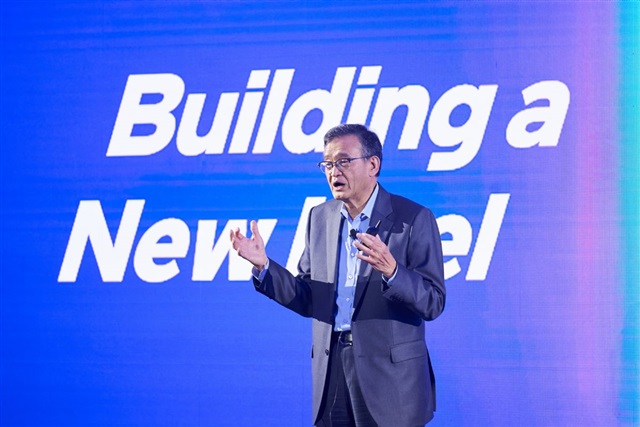
One year into his time leading Intel, CEO Lip-Bu Tan is signaling a clear shift in tone and strategy—and the message is more direct than what many observers heard a year ago. Speaking during Intel’s first-quarter 2026 earnings call, Tan suggested the conversation around the company has changed. Back then, the debate was largely about whether Intel could realistically execute a turnaround. Now, his comments point to a company that’s trying to reshape how it builds chips, who it builds them with, and how quickly it can regain momentum.
A key takeaway from Tan’s remarks is Intel’s increasingly pragmatic stance on partnerships, particularly with foundry leaders. He named TSMC as a key partner, an acknowledgment that highlights Intel’s willingness to use best-in-class external manufacturing as it works through a multi-year recovery plan. For Intel, that’s not just a technical decision—it’s a competitive one. In today’s semiconductor market, the ability to secure advanced manufacturing capacity can directly affect product timelines, performance, and supply.
Tan’s framing also reflects a broader reality: modern chipmaking is too complex, too expensive, and too fast-moving for any single company to rely on one approach alone. By leaning into partnerships while continuing to develop its own manufacturing ambitions, Intel appears to be pursuing a hybrid strategy designed to balance speed with long-term control.
The change in tone matters because confidence and clarity at the top can influence everything from investor sentiment to customer trust. Intel is competing in a market where rivals are aggressive, product cycles are tight, and delays are costly. If Intel can combine improved execution with strategic manufacturing relationships, it may be better positioned to deliver on performance goals and meet demand across PCs, data centers, and emerging AI workloads.
While Intel’s turnaround is still unfolding, Tan’s comments suggest the company wants the narrative to move beyond “can Intel do it?” and toward “how fast can Intel deliver?” With TSMC identified as a key partner and leadership sounding more focused on execution, Intel is signaling that it’s prepared to make tough, practical decisions to get back on track.