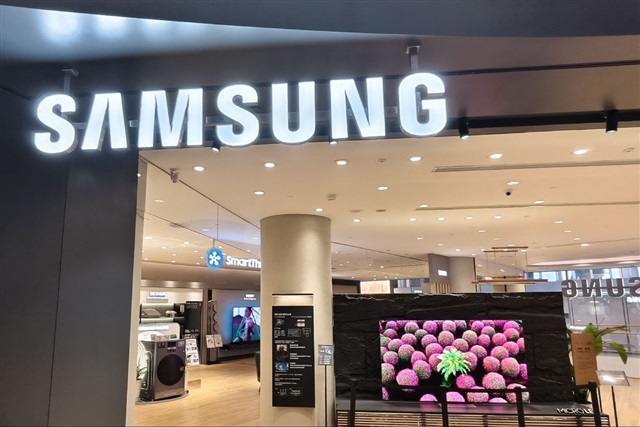
Samsung Electronics is making a notable change at the top of its TV division as competition heats up and consumer demand softens. In a rare move outside its usual leadership cycle, the company has replaced the head of its Visual Display (VD) business, signaling a sharper, more urgent response to the shifting global television market.
The leadership reshuffle comes at a time when the TV industry is facing pressure on multiple fronts. Demand for new televisions has weakened in many regions as households hold onto existing sets longer, while brands battle harder for buyers who are becoming more price-sensitive. At the same time, global competition has intensified, with Chinese manufacturers increasing their presence and pushing aggressively across premium and value-focused segments.
By changing the leadership of its Visual Display unit now, Samsung is effectively acknowledging that the market is moving quickly—and that its TV strategy needs to move even faster. The decision suggests a renewed focus on defending market share, strengthening product positioning, and adapting to the evolving ways people buy and use televisions.
The move also aligns with a broader industry shift toward services and connected experiences. As hardware margins tighten, TV makers are increasingly looking beyond the screen itself—building ecosystems that include smart TV platforms, content discovery, advertising opportunities, and other service-based revenue streams. Samsung’s mid-cycle reset implies it wants its TV business to be better positioned not only for the next wave of hardware competition, but also for the long-term transition toward service-driven growth.
In short, Samsung’s replacement of the VD business leader reflects a high-stakes moment for the TV market: weaker demand, tougher rivals, and a growing need to evolve from a product-first model to a strategy that blends strong hardware with profitable services.


