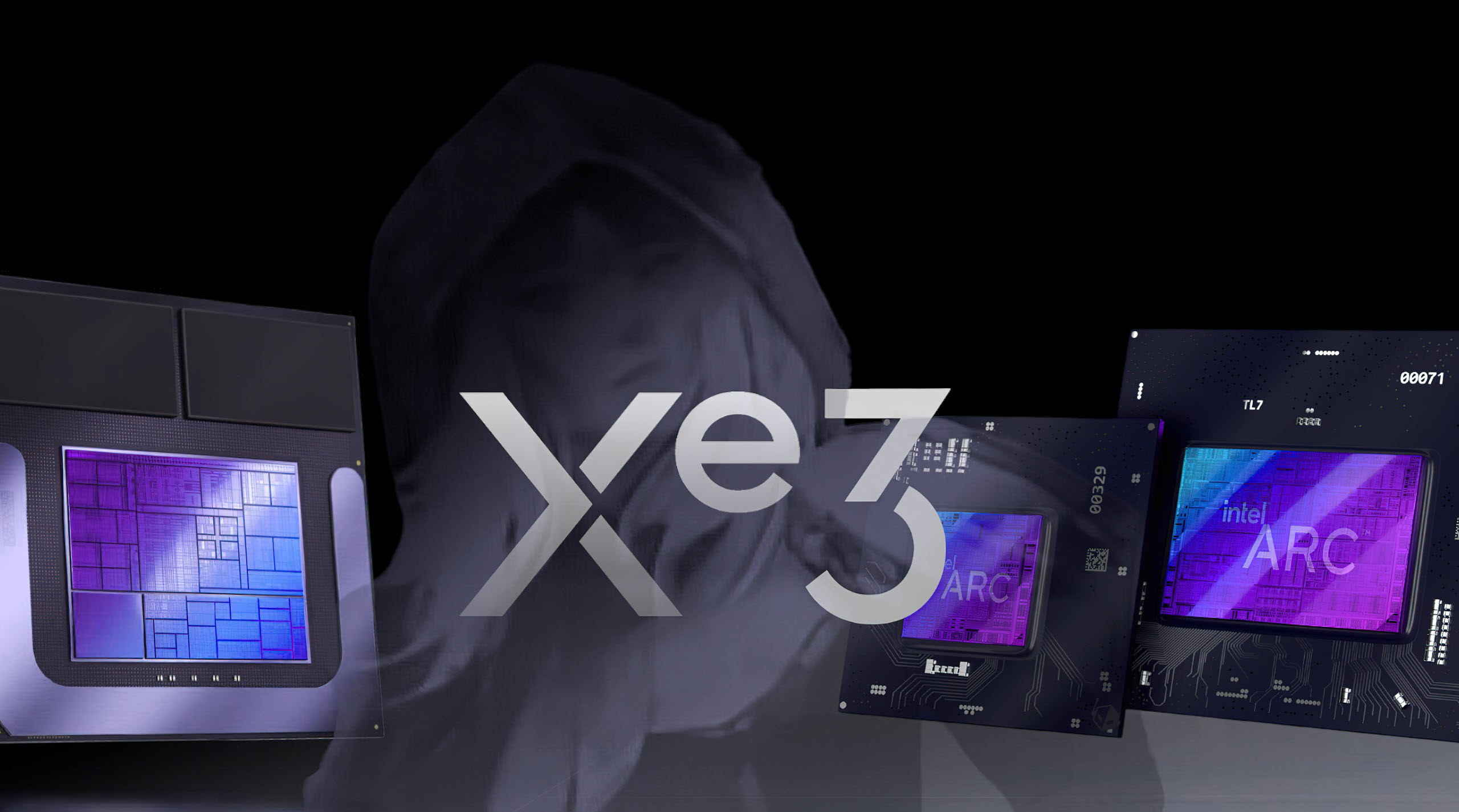
Exciting developments are coming out of Intel as Tom Petersen recently confirmed in a podcast that the hardware for the much-anticipated Intel Xe3-based Celestial GPUs is complete. This announcement quells any rumors that Intel might have been planning to cancel the next-gen Xe graphics. In fact, while the software teams continue their work, the hardware division has already begun focusing on the subsequent Druid “Xe4” project.
The confirmation of the project’s progress aligns with Intel’s steadfast commitment to releasing their next-gen Xe3 architecture graphics. Previous chatter suggested Intel might scrap the Xe3 Celestial GPUs if the Battlemage series didn’t perform as expected. However, recent updates indicate Intel is moving full steam ahead, with the Celestial release just over the horizon.
During a comprehensive discussion on The Full Nerd Podcast, Intel’s expert Tom Petersen shared insights about the forthcoming Xe3 graphics architecture. Though specifics about the architecture were scant, Petersen revealed that the hardware side is complete, signaling Intel’s forward momentum beyond the current architecture. This has piqued interest about Intel’s future endeavors in the realm of graphics architecture, though specific details remain under wraps.
Scheduled for integration with the upcoming Panther Lake mobile CPUs—slated as successors to the Lunar Lake series—the Celestial GPUs are expected next year. Notably, the Intel Lunar Lake CPUs delivered a remarkable leap in graphics performance, with a 50% improvement over their predecessor, Meteor Lake. The anticipated Panther Lake release promises even greater performance, boosting the Xe core count from 8 to 12.
Regarding discrete GPUs on desktops, while definitive reports are pending, it seems likely that Intel will bring the Xe3 architecture to desktop platforms. Their roadmap previously suggested that Celestial GPUs would reach “Ultra Enthusiast” levels of performance, which would certainly be appealing for high-end desktop users.
Stay tuned as Intel continues to push the boundaries of graphic performance and innovation. With the hardware already “baked,” the upcoming releases promise to enhance and possibly redefine what users can expect from their graphics technology.