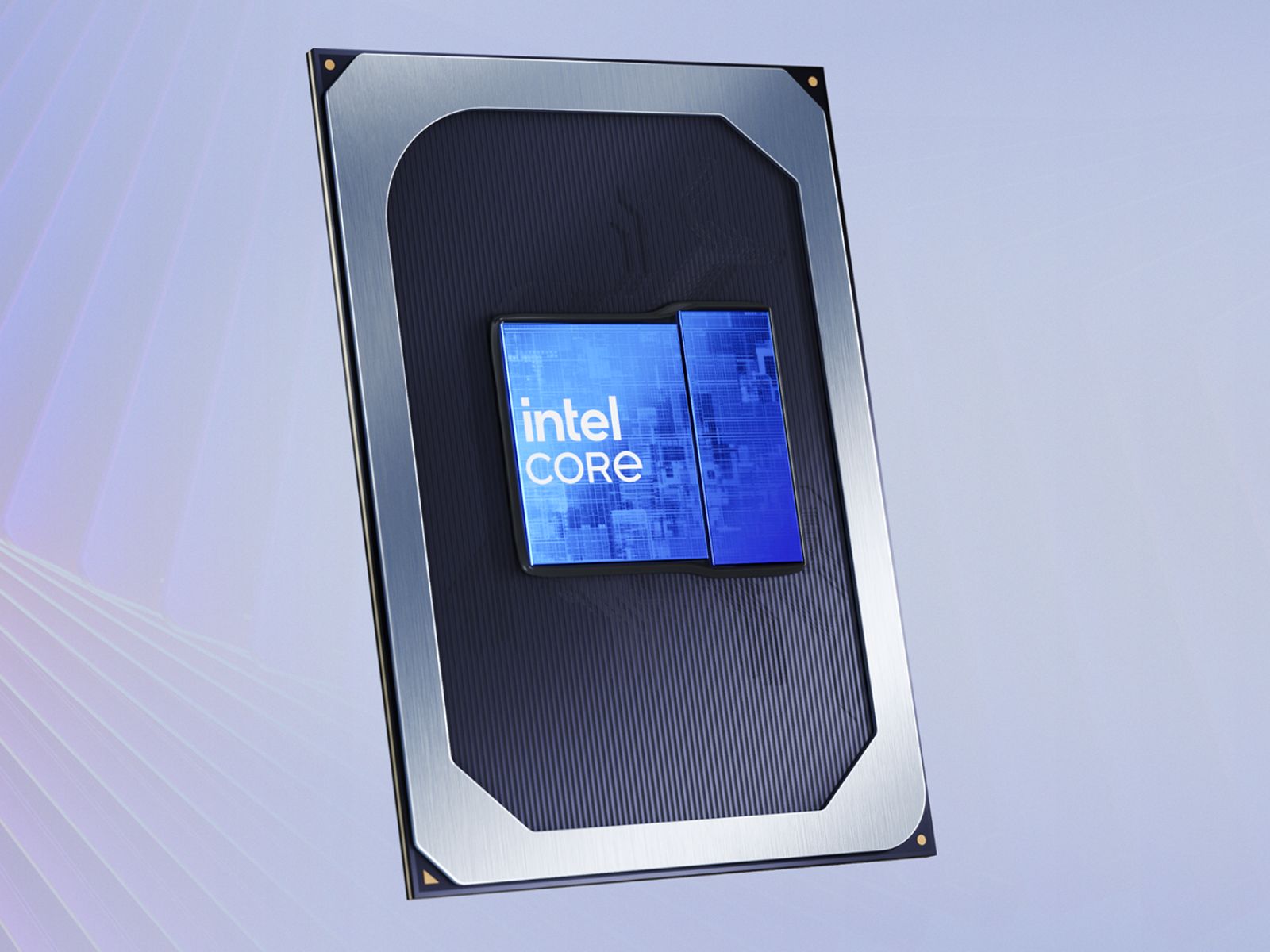
Intel has officially introduced its new Core Series 3 processors, aimed at powering affordable laptops and compact edge computing devices that still need modern AI features, fast connectivity, and strong everyday performance. The company says the platform can reach up to 40 TOPS of total AI performance by combining the CPU, integrated GPU, and built-in NPU, a key selling point as more apps add on-device AI tools for productivity, conferencing, and content tasks.
On the graphics side, the integrated GPU scales up to 2 Xe cores, targeting smooth visuals, accelerated media, and AI-assisted workloads without requiring a discrete graphics chip. Memory support is also geared for newer designs, with compatibility for LPDDR5x up to 7467 MT/s and DDR5 up to 6400 MT/s, helping thin-and-light notebooks and compact systems balance speed and efficiency.
Connectivity is another area Intel is emphasizing. Core Series 3 platforms are listed with Thunderbolt 4 support, PCIe Gen 4 lanes, Wi‑Fi 7 (R2), and Bluetooth 6.0. For shoppers, that translates into the kind of premium features that make entry-level laptops feel less “budget” in everyday use: quicker wireless networking, modern peripheral support, and better options for docking and external displays depending on the final laptop configuration.
Intel also shared a set of performance and efficiency numbers based on its own internal testing, focusing heavily on the Core 7 360 compared with earlier processors like the Core 7 150U and other older-generation chips. In productivity-focused benchmarks such as UL Procyon, PugetBench, and WebXPRT, Intel reports up to 2.1x higher scores. For AI workloads that lean on the GPU, the company claims up to 2.7x higher performance in tests like Geekbench AI and Procyon AI. Intel also highlights efficiency improvements, citing up to 64% lower processor power during video streaming workloads.
Battery life is a major buying factor in the entry-level laptop category, and Intel’s testing suggests these systems can be built to last a long time away from the charger. The company’s press-deck figures indicate up to 18.5 hours of video playback, up to 12.5 hours of office productivity, and up to 9.6 hours of video calls with AI effects enabled, under its test conditions. As always with battery claims, Intel notes these results come from internal reference-platform testing and can vary significantly based on the laptop design, display, battery size, power settings, and real-world usage.
The Core Series 3 family spans multiple models across Core 7, Core 5, and Core 3 tiers, giving laptop makers flexibility to hit different price and performance targets. Intel provided examples that include:
– Core 7 360: 6 cores, up to 4.8 GHz, and a 17 TOPS NPU
– Core 5 330: 6 cores, up to 4.6 GHz
– Core 3 304: 5 cores, up to 4.3 GHz
Across the stack, base power is listed at 15 W, with turbo power reaching up to 35 W depending on the specific processor. This range is designed to support everything from thin-and-light laptops focused on battery life to slightly more performance-oriented configurations with higher boost behavior.
While most people will see Core Series 3 in everyday notebooks, Intel is also positioning these chips for edge computing use cases where compact size and efficient AI acceleration matter. The company highlights deployments such as kiosks, smart building systems, robotics, and point-of-sale devices. For edge-focused AI, Intel also compares certain configurations against NVIDIA’s Jetson Orin Nano, claiming higher throughput for tasks like object detection, image classification, and video analytics under specific test setups.
As for availability, Intel says systems powered by Core Series 3 processors will begin rolling out on April 16, 2026, with broader availability through OEM partners throughout the year. Edge-focused systems are expected to arrive starting in Q2 2026. Intel also notes that more than 70 partner designs are planned, including systems from Acer, Asus, HP, Lenovo, and Infinix, signaling a wide launch across mainstream laptop lineups and specialized devices.