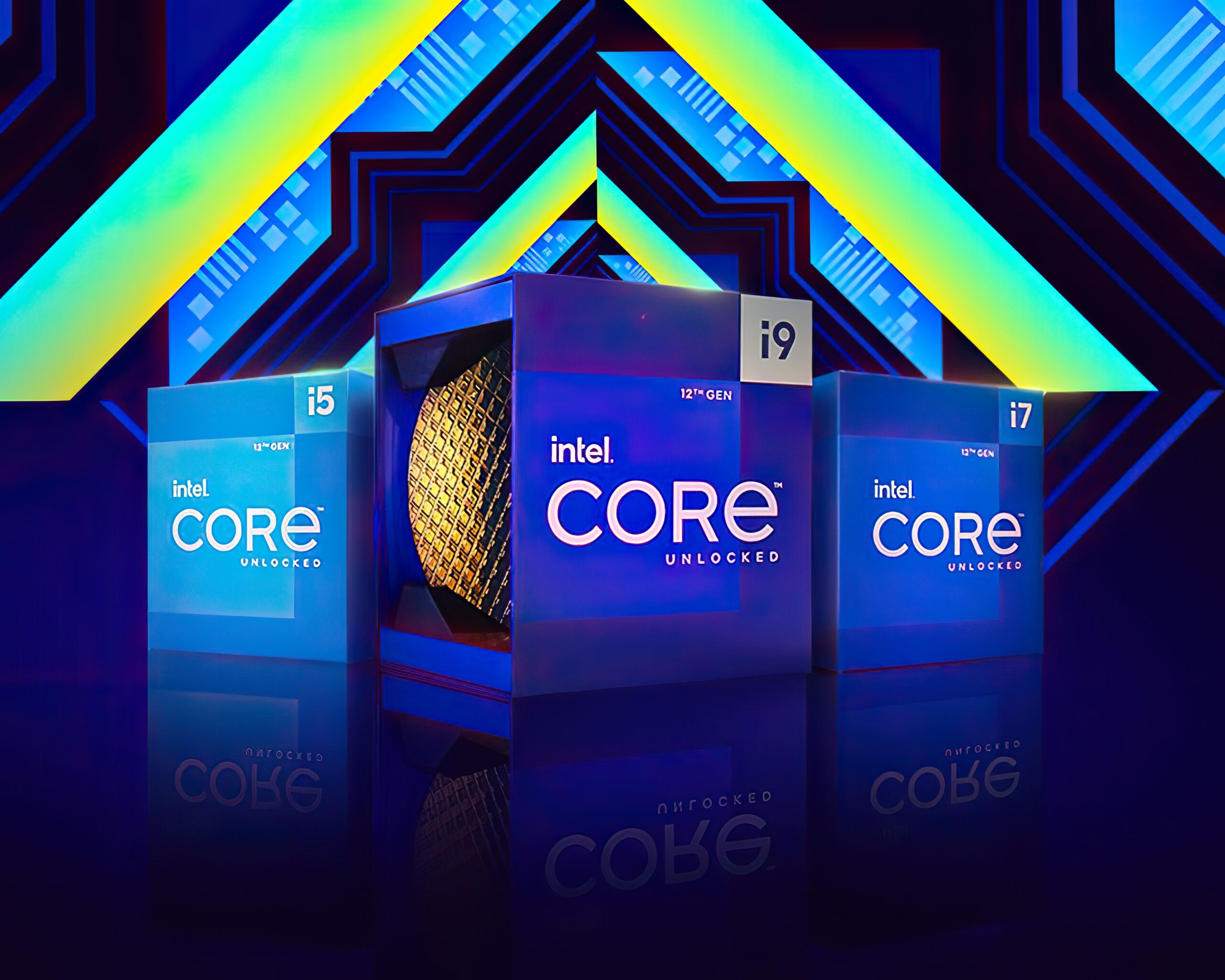
Intel’s widely used 12th-generation Alder Lake processors are now officially on the path to retirement. New Intel Product Change Notifications confirm that Alder Lake has entered the discontinuation (End of Life) phase, meaning production will wind down over time rather than stopping overnight. For PC builders and upgraders still relying on the LGA 1700 platform, this marks the beginning of a major transition.
The discontinuation timeline covers the entire Alder Lake Core 12xxx range, from entry-level Celeron chips to flagship Core i9 models. Intel’s notices indicate that partners and retailers can continue placing orders for Alder Lake CPUs until July 24, 2026. After that cutoff, remaining inventory will be shipped through January 22, 2027, which is listed as the final shipment date. In other words, Alder Lake will remain available for a while, but the countdown has started—and availability may become increasingly dependent on leftover stock over the next couple of years.
Alongside Alder Lake, Intel has also confirmed that its 4th-generation Xeon Scalable processors, code-named Sapphire Rapids, are entering their own EOL phase. The schedule is different for these server-focused parts: the last order date is set for September 26, 2025, with shipments expected to continue until March 31, 2028. Both tray and boxed versions are included in the discontinuation plans, showing that Intel is aligning its phase-out across multiple packaging formats.
For desktop users, Alder Lake’s exit has an important practical impact: it leaves 13th-gen Raptor Lake and 14th-gen Raptor Lake Refresh as the remaining LGA 1700 processor families that will continue shipping in the client market. Anyone planning a new LGA 1700 build—especially those targeting budget-friendly configurations—may soon have fewer CPU options at the low and mid range as 12th-gen stock gradually becomes harder to find.
LGA 1700 has been one of Intel’s longest-running mainstream desktop platforms, supporting three generations of processors and offering flexibility with both DDR4 and DDR5 memory. That memory compatibility has mattered a lot recently. With DDR5 pricing and supply conditions still influencing build decisions in many regions, DDR4-based systems remain a popular route to keep total upgrade costs down, while still allowing support across 12th-, 13th-, and 14th-generation Intel CPUs.
As Alder Lake phases out, buyers looking to build DDR4 or DDR5 systems on LGA 1700 will increasingly be pushed toward 13th- and 14th-gen processors. For shoppers who wanted Alder Lake specifically—whether for value, availability of certain models, or compatibility with existing parts—the best window to buy may be sooner rather than later, before the final wave of inventory becomes inconsistent.