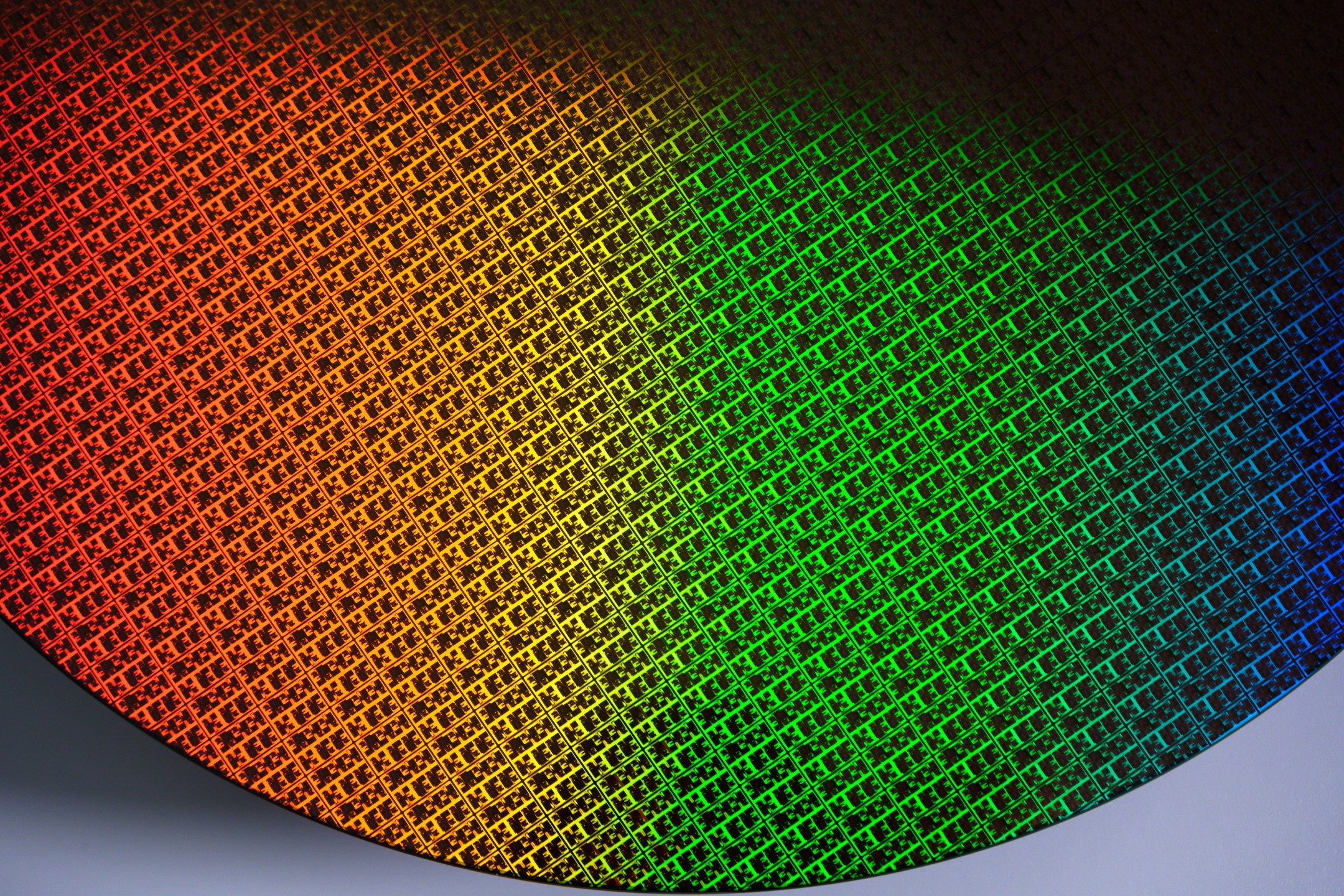
Intel is reportedly courting Apple for a potential investment and deeper collaboration, a move that could reshape the chipmaker’s foundry ambitions while giving Apple another strategic option for manufacturing its in-house silicon. According to Bloomberg, discussions are in early stages and may not result in a deal, but even the possibility signals how aggressively Intel is pursuing anchor customers and capital to accelerate its turnaround.
Over the past several months, Intel has struck significant agreements with major industry players and secured government support aimed at strengthening domestic semiconductor capacity. Those steps have improved the company’s balance sheet and bolstered confidence in its foundry push. Bringing Apple into the fold—whether as an investor, a foundry customer, or both—would be a high-profile validation of Intel’s strategy.
What a partnership could look like
– Foundry manufacturing for Apple silicon: One scenario would see Apple sourcing a portion of its A-series and M-series chips from Intel Foundry Services. Apple currently relies heavily on TSMC, but dual-sourcing would diversify risk and add supply flexibility.
– Advanced process adoption: Intel is seeking external volume for its cutting-edge nodes, particularly its 14A process. Securing a customer of Apple’s scale could help Intel reach the economies of scale needed to sustain its leading-edge roadmap.
– US-based production: Apple has been expanding its manufacturing footprint in the United States. Working with Intel could support Apple’s supply-chain resilience goals and align with broader efforts to strengthen domestic chip production.
– Packaging and integration: Beyond wafer manufacturing, Apple could benefit from Intel’s advanced packaging technologies, offering potential performance and efficiency gains for future devices.
Why Apple might consider it
– Supply-chain resilience: A second source for advanced nodes reduces reliance on a single foundry and mitigates geopolitical and capacity risks.
– Strategic leverage: Diversification can improve pricing and access to capacity across suppliers.
– Made-in-America momentum: Producing more components within the US supports Apple’s manufacturing narrative and aligns with policy incentives.
Why it matters for Intel
– Volume for 14A: Intel needs high-volume customers to validate and scale its most advanced nodes. Without adoption, the economics of staying at the leading edge are far tougher.
– Credibility boost: Winning a marquee customer would enhance Intel’s standing as a competitive foundry alternative for the world’s most demanding chip designs.
– Financial flexibility: Additional investment and long-term supply commitments could strengthen Intel’s financial position as it continues to ramp new fabs and processes.
Temper expectations
The talks are described as preliminary and private, and there is no guarantee they will yield an agreement. Any arrangement would likely take time, given the complexity of qualifying new process nodes, ensuring design compatibility, and securing long-term capacity. Apple will also weigh the maturity, performance, and yields of any process it considers, as well as the strategic value of dual-sourcing versus the execution risk of adding a new foundry partner.
The bottom line
A deal between Intel and Apple would be a milestone for both companies. For Intel, it could anchor its next-gen 14A node and accelerate its foundry resurgence. For Apple, it would offer a powerful second source for advanced chips, strengthen US manufacturing ties, and add resilience to the Apple silicon roadmap. For now, all eyes are on whether these early talks can translate into a concrete partnership that reshapes the competitive landscape of high-performance semiconductor manufacturing.