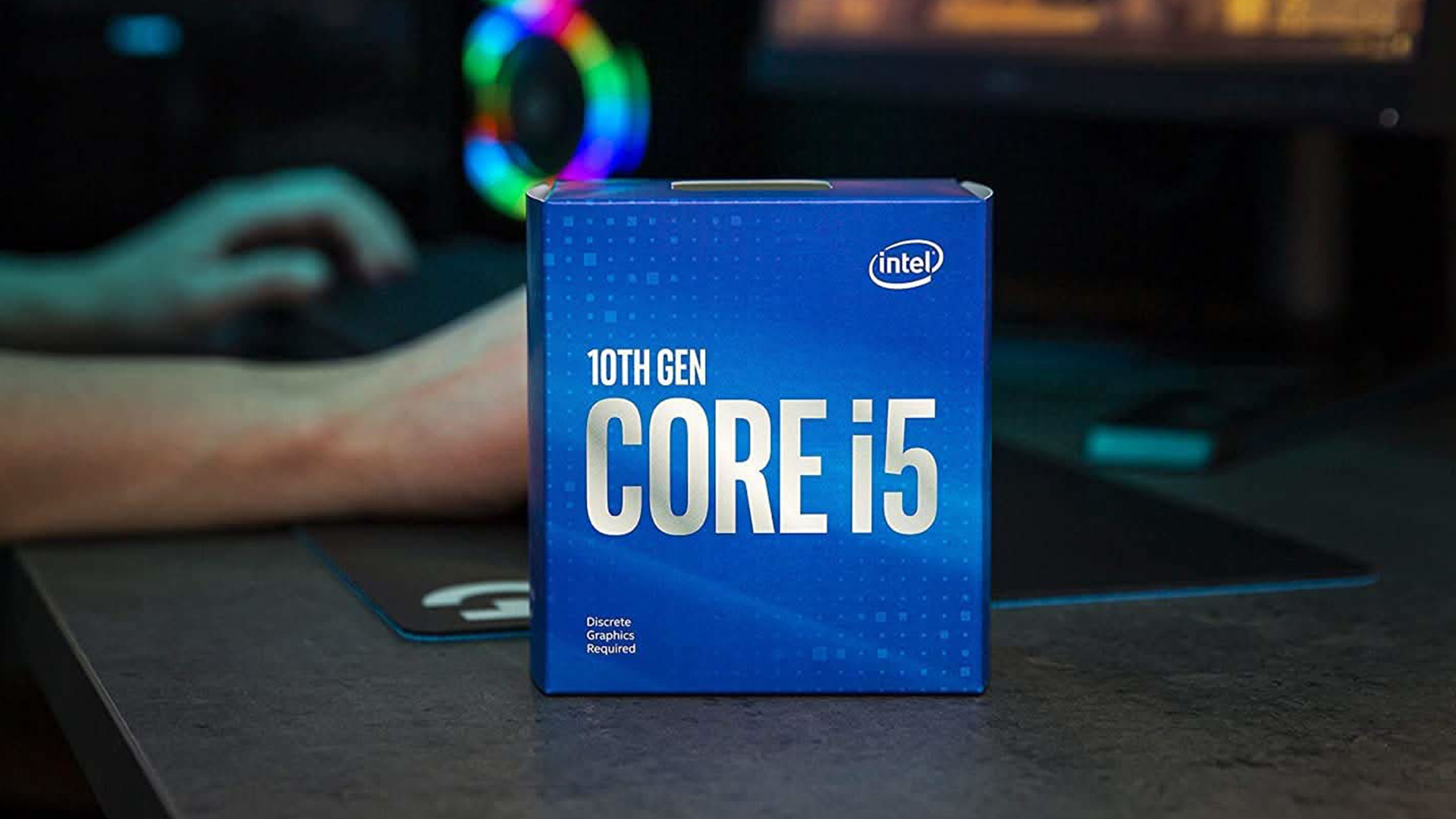
Intel just pulled an unexpected move: a five-year-old Comet Lake desktop chip has resurfaced with a new name. A product page now lists the Intel Core i5-110, which, despite the fresh badge, matches the 10th-gen Core i5-10400 in every meaningful way.
What makes this odd is the timing. In 2025, most shoppers are choosing 13th- and 14th-gen processors, while 12th-gen Alder Lake still sells well thanks to the long-lived LGA1700 platform. By contrast, the Core i5-110 belongs to the older LGA1200 ecosystem from 2020, indicating this is not a new architecture but a rebranded Comet Lake part.
Core i5-110 vs. Core i5-10400: what’s actually different?
– Core and thread count: 6 cores, 12 threads on both
– Process: 14nm
– Architecture: Comet Lake, 10th generation
– Socket: LGA1200
– Typical clocks, cache, and integrated graphics: effectively identical
– Power profile: the same 65W class part
In short, the Core i5-110 mirrors the Core i5-10400. The listing places its launch in Q3 2025, yet it hasn’t appeared at major retailers as of now. That raises two big questions: will it actually be sold widely, and if so, who is it for?
Who should consider it?
– Existing LGA1200 owners needing a drop-in replacement or quick upgrade without changing motherboards
– Budget hunters who find a motherboard-and-CPU bundle at a steep discount
Who should skip it?
– Anyone building a new PC in 2025. With LGA1200 effectively sunset, it’s hard to justify paying modern prices for a 10th-gen chip, especially if it hovers anywhere near the $200 mark. Newer platforms offer better performance, features, and upgrade paths.
Why revive a 10th-gen CPU now?
– Inventory clearance: repackaging remaining Comet Lake stock
– OEM or regional contracts: fulfilling specific bulk orders
– Replacement and service channels: supporting legacy systems in business or industrial deployments
Bottom line
The Intel Core i5-110 brings no performance uplift over the Core i5-10400; it’s a straight rebrand of a 6-core, 12-thread Comet Lake processor on 14nm for the LGA1200 platform. Unless you already own compatible hardware or stumble on a bargain bundle, your money is better spent on a more current platform. If the goal is a budget-friendly everyday PC, keep an eye on price—this only makes sense if it’s genuinely cheap. Sources: Intel, @momomo_us