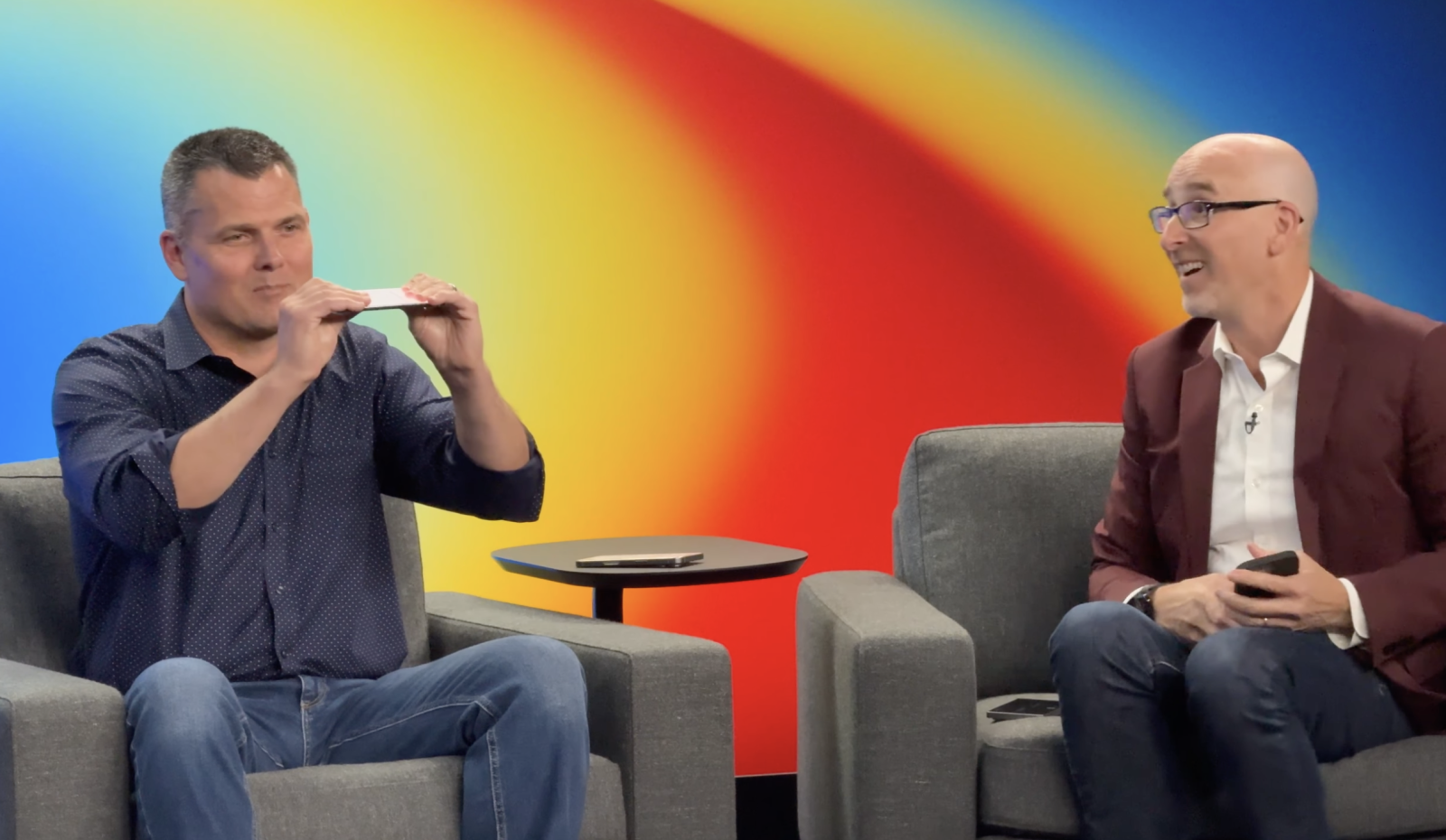
Apple put durability front and center at its iPhone 17 launch, and the iPhone Air is the star of that story. In a new on-camera demo, marketing chief Greg Joswiak handed the ultra-thin handset to a reporter and invited him to try bending it. Despite a determined effort, the 5.6mm device only bowed slightly and then snapped back into shape. No cracks, no catastrophic flex—exactly the outcome Apple says it engineered.
The company is pitching iPhone Air as its most durable phone yet, a bold claim given how thin it is and the industry’s memory of earlier bend controversies. To back it up, Apple is using a grade 5 titanium frame on the Air—distinct from the rest of the lineup, which has returned to aluminum—and says the phone meets and exceeds its own stringent bend-test standards. That titanium skeleton joins Ceramic Shield glass and a rethought internal layout to reinforce the device without adding bulk.
According to hardware engineering chief John Ternus, making a phone this slim and this tough required multiple breakthroughs working together. A key piece is the internal “plateau” architecture, which clusters components in a reinforced area near the top, freeing space elsewhere and allowing the chassis to remain thin while distributing stress more intelligently. Pair that with efficient Apple silicon that helps manage heat and space, and you get a handset designed to flex a bit under force and then rebound rather than crack.
The hands-on demo wasn’t gentle. The phone was tossed, dropped once, and subjected to a serious two-hand bend attempt. Early signs point to impressive resilience, but an event-floor trial isn’t the same as independent torture testing. Real-world durability will come down to how the iPhone Air handles repeated pocket pressure, drops onto hard surfaces, scratch resistance over time, and sustained flex in daily use.
All eyes now turn to third-party tests to confirm whether Apple’s design holds up beyond the controlled spotlight. Will the iPhone Air’s titanium frame, Ceramic Shield, and plateau layout keep it straight and strong in everyday life? Share your take—and what you want to see tested first.