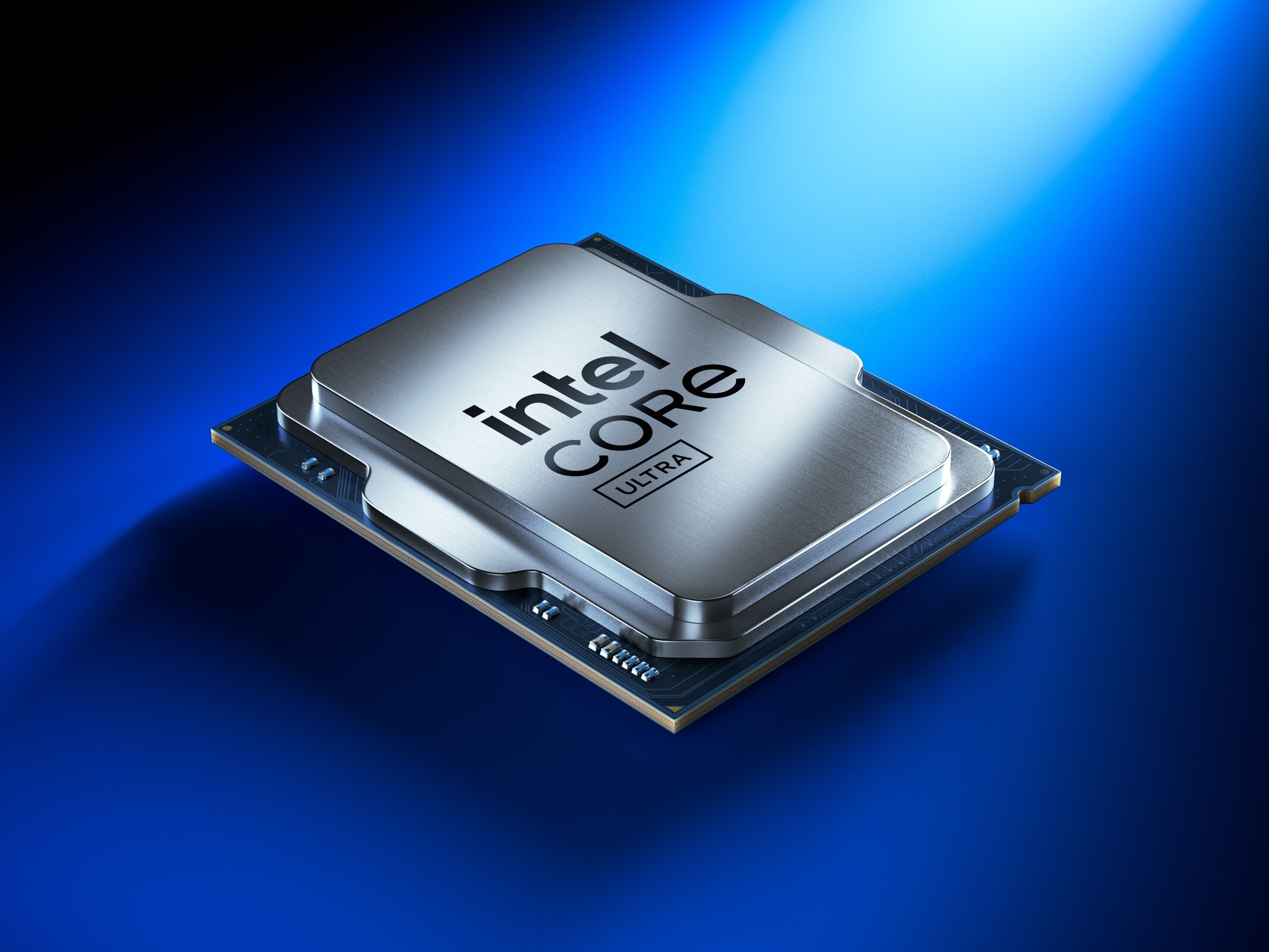
A fresh leak is painting the clearest picture yet of Intel’s next desktop processor family, Nova Lake. The upcoming lineup is expected to carry the Core Ultra 400 branding and span a broad range of chips aimed at everything from entry-level systems to extreme high-end desktops. The biggest headline is Intel’s plan to counter AMD’s cache-heavy gaming processors with its own large L3 cache approach called bLLC, but only a small portion of the stack is rumored to get it.
According to the leaked lineup details, Intel is preparing 12 Nova Lake desktop SKUs in total. Out of those, only three models are expected to include bLLC (Intel’s answer to extra-stacked cache designs that can boost gaming performance). If the leak is accurate, buyers looking specifically for the “big cache” advantage may need to shop carefully—because most Nova Lake chips in the series won’t have it.
At the top of the stack sits a Core Ultra 9 model rumored to pack a massive 52-core configuration, split across 16 Performance cores, 32 Efficient cores, and 4 low-power E cores (often abbreviated as LPE). This flagship part is listed at 125W TDP, though earlier chatter suggests real-world power under heavy load could climb dramatically higher depending on motherboard settings and boosting behavior.
Next up is a Core Ultra 7 variant with 44 total cores (16P + 24E + 4LPE), also rated at 125W TDP, and also reportedly equipped with bLLC. A third bLLC-enabled chip is described as a 22-core Core Ultra 9 model (6P + 12E + 4LPE) with a 65W TDP, hinting at a more efficiency-focused option that still benefits from the expanded cache.
Beyond those three, the leak lists multiple configurations across Core Ultra 9, Core Ultra 7, Core Ultra 5, and Core Ultra 3 tiers. Several chips appear to share the same core layouts while offering different power targets, suggesting Intel may release both higher-wattage performance versions and lower-wattage mainstream variants. For example, there are Core Ultra 9 parts shown with 28 cores (8P + 16E + 4LPE) in both 125W and 65W versions, and Core Ultra 7 chips with 22 cores (8P + 12E + 4LPE) also appearing in both 125W and 65W flavors. There’s even a 35W Core Ultra 7 option listed with 16 cores (4P + 8E + 4LPE), which could be aimed at small-form-factor desktops.
The Core Ultra 5 range looks especially broad, with 22-core models (6P + 12E + 4LPE) noted at both 125W and 65W, plus additional 12-core (4P + 4E + 4LPE) and 8-core (4P + 0E + 4LPE) options, including 35W variants for lower-power builds. At the entry level, Core Ultra 3 appears with a 6-core layout (2P + 0E + 4LPE) in both 65W and 35W versions.
One area that may still be uncertain is exactly how Intel will separate standard and unlocked processors in the Core Ultra 400 Nova Lake lineup. The leak notes some confusion around the expected power limits for certain Core Ultra 5 chips, with conflicting claims on whether some “K/KF-style” parts are capped at 65W or can run up to 125W. If true, that would be an important detail for gamers and enthusiasts choosing between performance-focused builds and quieter, cooler systems.
Platform features are another major part of the leak, and they suggest Nova Lake desktops could be a meaningful step forward in connectivity. The report claims all Nova Lake desktop CPUs will include a Thunderbolt 5 controller and support up to two Thunderbolt 5 ports, though it’s hinted that full Thunderbolt 5 port support might be limited to higher-end motherboards. For builders who care about high-speed external storage, docks, and next-gen peripherals, Thunderbolt 5 support could be a standout advantage.
On the graphics side, the leak points to an integrated Xe3-based iGPU with a two-core configuration, along with a dedicated NPU for AI-related workloads. While a small iGPU core count won’t replace a dedicated graphics card for serious gaming, it can still be valuable for display output, troubleshooting, media acceleration, and compact PCs that don’t need a discrete GPU.
Memory and expansion details also look modern: Nova Lake is said to support dual-channel DDR5 and provide 24 PCIe Gen5 lanes, which is a big deal for next-gen GPUs and ultra-fast Gen5 NVMe SSDs. If these specs hold, Nova Lake could be positioned as a strong all-around desktop platform for gaming, content creation, and high-speed storage builds.
For now, it’s worth remembering this is still leak-based information, and Intel’s official specifications, final branding, and segmentation could shift before launch. Still, the rumored Core Ultra 400 Nova Lake desktop lineup suggests Intel is planning a wide spread of options—plus a select set of bLLC-equipped models aimed squarely at enthusiasts who want extra cache for gaming performance.