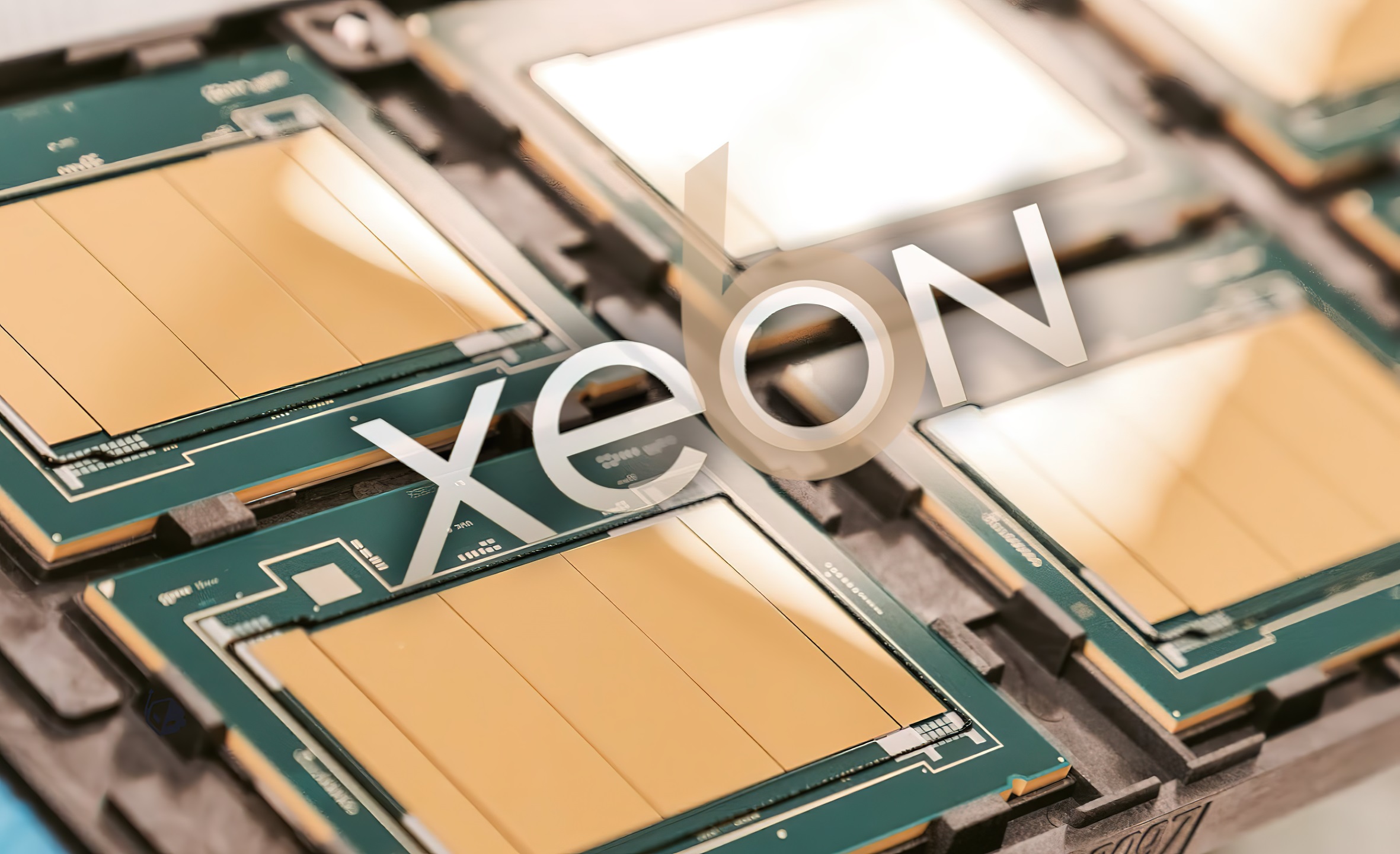
Intel is simplifying its processor naming strategy for its upcoming data center and enterprise CPU families. The tech giant has announced that starting with the 6th generation of Xeon processors, it will adopt a more straightforward “Xeon 6” branding. This change signifies an evolution in Intel’s marketing, moving away from the Xeon Scalable Family nomenclature that has been used in the past, including with its 5th generation Emerald Rapids CPUs.
The “Xeon 6” moniker aims to streamline the selection process, making it easier for customers to identify and choose the right processors for their needs. Two new processor families, Sierra Forest and Granite Rapids, will debut under this new branding.
Intel’s future plans for the data center market feature the Sierra Forest CPUs with E-cores and Granite Rapids chips with P-cores:
**Intel Xeon 6 with E-cores (Sierra Forest):**
These CPUs focus on energy efficiency and performance, promising a four times improvement in performance per watt compared to 2nd generation Intel Xeon processors. Boasting 2.7 times better rack density, Sierra Forest processors enable customers to replace outdated systems on a nearly 3-to-1 basis, significantly reducing energy use and aiding sustainability targets.
**Intel Xeon 6 with P-cores (Granite Rapids):**
The performance-centered Granite Rapids CPUs will include software enhancements for the MXFP4 data format, which decreases the next token latency by up to 6.5 times compared to 4th generation Intel Xeon processors using FP16. These CPUs will have the capability to handle large AI models, including 70 billion parameter Llama-2 models.
Intel’s internal performance metrics suggest Sierra Forest chips could yield up to a 2.4 times performance per watt improvement and a 2.7 times increase in performance per rack. These processors are scheduled for release in the second quarter of 2024, with the Granite Rapids P-Core CPUs launching later in the year.
Meticulous planning has gone into the technological specifications of the upcoming CPU families, ensuring compatibility with advanced memory and PCIe technologies, as well as readiness to connect with next-generation storage solutions.
With these new CPUs in the pipeline, Intel is positioning itself to provide powerful, efficiency-focused solutions ideal for managing advanced AI workloads in data centers, clouds, and edge computing scenarios. These changes not only symbolize a pivot in branding but also in Intel’s approach to delivering leading-edge technology to meet the intensive demands of modern computing infrastructure. Users can anticipate robust hardware that aligns with the evolving needs of the industry, from tackling environmental concerns to harnessing the power of large-scale AI applications.