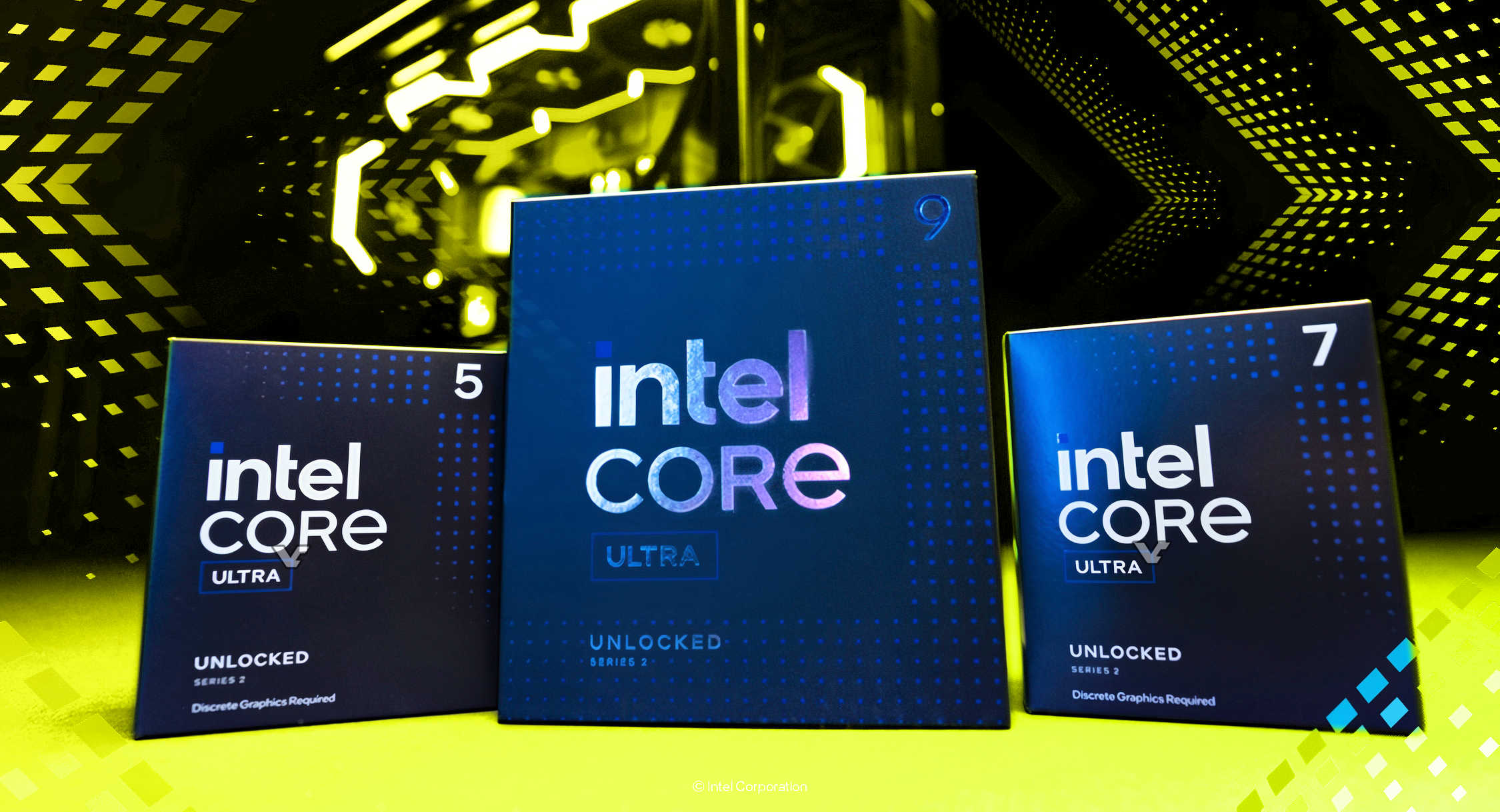
For tech enthusiasts and hardware aficionados, navigating through CPU reviews can often feel overwhelming. If you’re seeking a streamlined analysis of Intel’s Arrow Lake CPUs, 3DCenter has done the heavy lifting. They’ve gathered insights from a wide array of tech reviews and distilled this information into an easy-to-digest format.
The standout performer in the Arrow Lake lineup, the Core Ultra 200K series, offers intriguing results. On average, it boasts a 5% improvement in application performance. However, it slightly lags in gaming scenarios, showing about a 6% drop in gaming performance. This nuanced performance is essential for those deciding whether to prioritize professional applications or gaming prowess.
Diving deeper, the Core Ultra 9 285K model is particularly noteworthy. It achieves a 6.9% uptick in application efficiency when stacked against the Core i9-14900K, yet it concedes 6.6% in gaming performance. For those weighing gaming capabilities against application processing need, this could be a decisive factor.
The Core Ultra 7 265K sees a reduction of 4.3% in application performance and an 8.5% drop in gaming tasks. Meanwhile, the Core Ultra 5 245K model experiences 23.8% lower application performance and a 12.6% decrement in gaming, making it less competitive among its peers unless priced advantageously.
Compared to Intel’s previous 14th Gen processors like the 14700K and 14600K, the Core Ultra 7 and 5 SKUs skew towards better application performance, even if they trail in gaming benchmarks.
These insights solidify the performance landscape of the Core Ultra series in comparison not only to its Intel predecessors but also in relation to AMD’s Ryzen 9000/7000 series. Whether you’re crafting a machine for professional use or one dedicated to gaming, understanding these performance subtleties will aid in making the most informed choice for your specific needs.