Intel Core 5 320 Wildcat Lake benchmarks show early performance of the new Xe3 iGPU
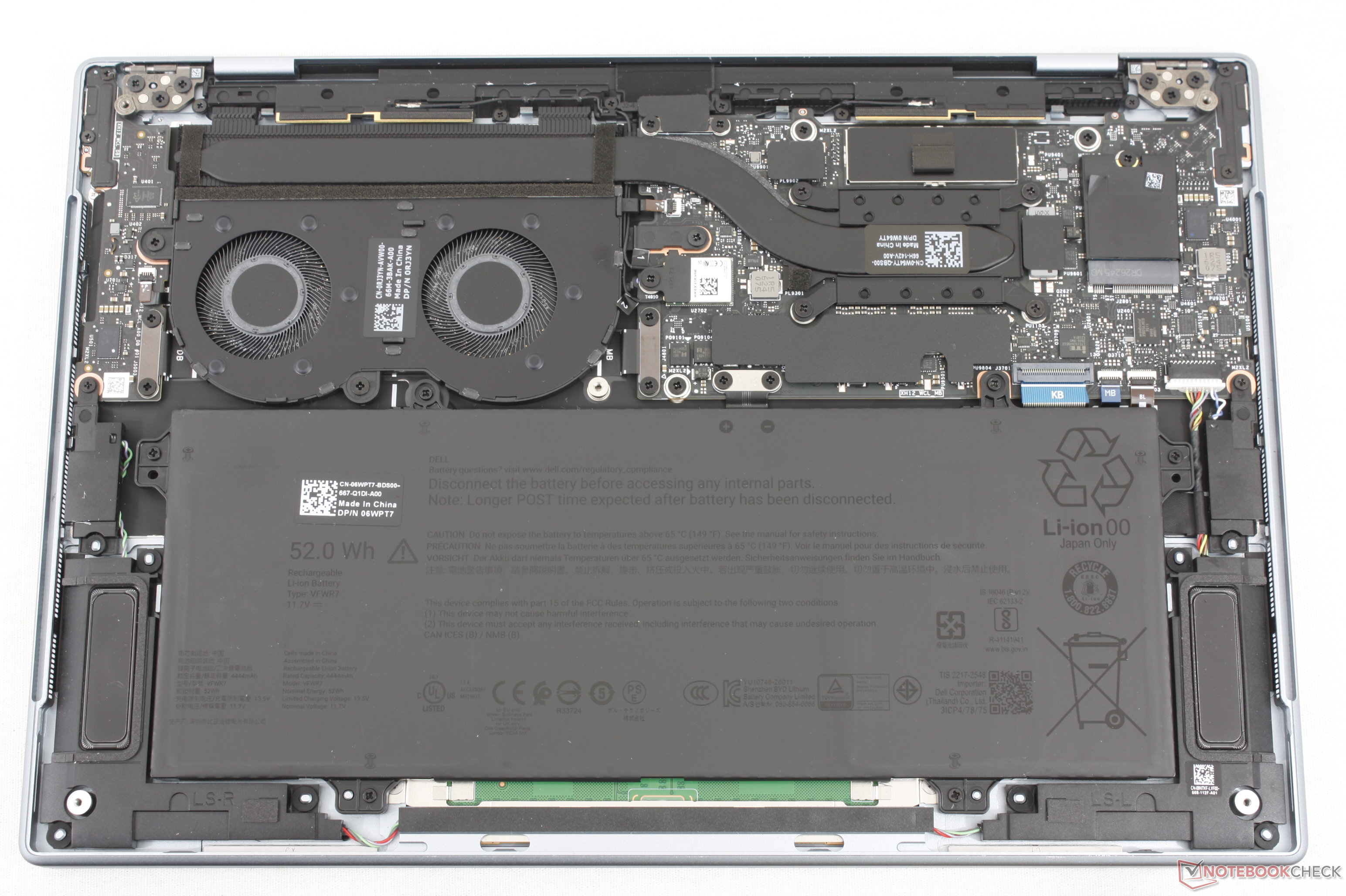
Early benchmark results for Intel’s Core 5 320 have started to paint a clearer picture of what to expect from Wildcat Lake laptops, especially when it comes to integrated graphics performance. The chip appears in the Dell XPS 13 DX13260 and is paired with Intel Graphics 2 Xe3 Wildcat Lake iGPU, giving us an early look at where Intel’s next-generation entry-level graphics solution may land.
The first takeaway is simple: Intel Graphics 2 Xe3 looks like a modest integrated GPU rather than a high-performance option. It does not appear designed to challenge stronger Xe3 configurations, Intel Arc-branded integrated graphics, or AMD’s Radeon 860M. Instead, it seems positioned for thin-and-light laptops focused on everyday productivity, web browsing, media streaming, office work, and light creative tasks.
Across the available benchmark runs, the Intel Graphics 2 Xe3 Wildcat Lake iGPU produced results in several ranges, including roughly 3,749 to 3,822 points in one test, around 22,468 to 22,776 points in another, approximately 3,485 to 3,642 points in a third, and about 1,343 to 1,401 points in another graphics workload. These early figures are based on a very small sample size, so final retail performance may shift depending on drivers, cooling, memory configuration, and power limits.
Compared with more powerful Intel configurations, the Core 5 320’s graphics sit noticeably lower. Systems using Intel Arc B390 with 12 Xe3 cores, such as higher-end Dell XPS 14 configurations, remain far ahead. Laptops equipped with Intel Arc Graphics 140V or Intel Arc 7-core integrated graphics also show stronger performance, which is expected since they are aimed at more capable premium ultraportables.
The Core 5 320 also appears behind Intel Graphics 4 Xe3 solutions found in more advanced Panther Lake-based systems. That gap makes sense: the Wildcat Lake iGPU listed here uses a smaller 2 Xe3 configuration, while higher-tier chips carry more graphics resources. For buyers, this means the Core 5 320 should be viewed as an efficient mainstream processor rather than a graphics-heavy laptop chip.
Interestingly, the Intel Graphics 2 Xe3 Wildcat Lake iGPU seems to compete more closely with older integrated graphics options such as Intel Iris Xe Graphics G7 with 96 execution units. Depending on the test, it can land near systems like the Microsoft Surface Pro 8 with Core i7-1185G7 or the Dell Latitude 13 7330 with Core i7-1265U. That suggests Intel’s new low-end Xe3 implementation may deliver acceptable everyday graphics performance, but it is not a dramatic leap over older mainstream iGPUs in every workload.
AMD’s Radeon 860M, found in Ryzen AI 7 350 systems such as the HP OmniBook 7 Aero 13, also remains a stronger graphics option in these comparisons. Users interested in casual gaming, GPU-accelerated creative work, or better 3D performance may want to look at laptops with stronger integrated graphics rather than the Core 5 320 configuration.
For the Dell XPS 13 DX13260, the Core 5 320 could still make sense if the laptop emphasizes battery life, portability, quiet operation, and a premium compact design. Many ultraportable buyers do not need high-end graphics horsepower. For tasks like email, browsing with many tabs, video calls, document editing, streaming, and light photo work, Intel’s Wildcat Lake platform may be more than capable.
However, anyone expecting the Intel Core 5 320 to deliver major gaming performance should keep expectations realistic. The Intel Graphics 2 Xe3 iGPU is likely best suited for older games, lightweight esports titles at low settings, cloud gaming, and basic GPU acceleration. More demanding modern games will likely require a laptop with a stronger integrated GPU or a dedicated graphics chip.
Because these are early benchmark results, the final story is not complete yet. Driver updates can improve graphics performance, and laptop makers can tune power limits differently from one model to another. A Core 5 320 system in a well-cooled chassis may perform better than one in an ultra-thin design with stricter thermal limits.
Still, the early Core 5 320 Wildcat Lake benchmarks give us a useful preview. Intel’s new entry-level Xe3 graphics appear efficient and modern, but not especially powerful compared with higher-end Intel Arc, 4-core Xe3 configurations, or AMD Radeon 860M. For mainstream laptops, that may be enough. For performance-focused users, the higher-tier options remain the better choice.


