Intel Arc G3 and Arc G3 Extreme could be revealed on May 28, bringing a major boost to gaming handhelds
Intel may be preparing to shake up the portable gaming market with two new chips designed for next-generation handheld consoles. According to recent leak-based information, the company could introduce the Arc G3 and Arc G3 Extreme before the end of May 2026, ahead of the previously expected early June reveal window.
These new chips are believed to be the same handheld-focused processors Intel briefly teased during its Panther Lake presentation at CES 2026. At the time, the company did not share official names or detailed specifications, leaving many to speculate about what the hardware would become. Newer information now points to the branding as Arc G3 and Arc G3 Extreme, suggesting Intel wants to position these chips as gaming-first solutions for compact devices.
The rumored launch date is May 28, and the timing could be important. Handheld gaming PCs have become one of the most competitive hardware categories, with brands racing to deliver stronger performance, better battery life, sharper displays, and more comfortable designs. Intel entering this space with more capable silicon could give device makers a powerful alternative to AMD-based handheld platforms.
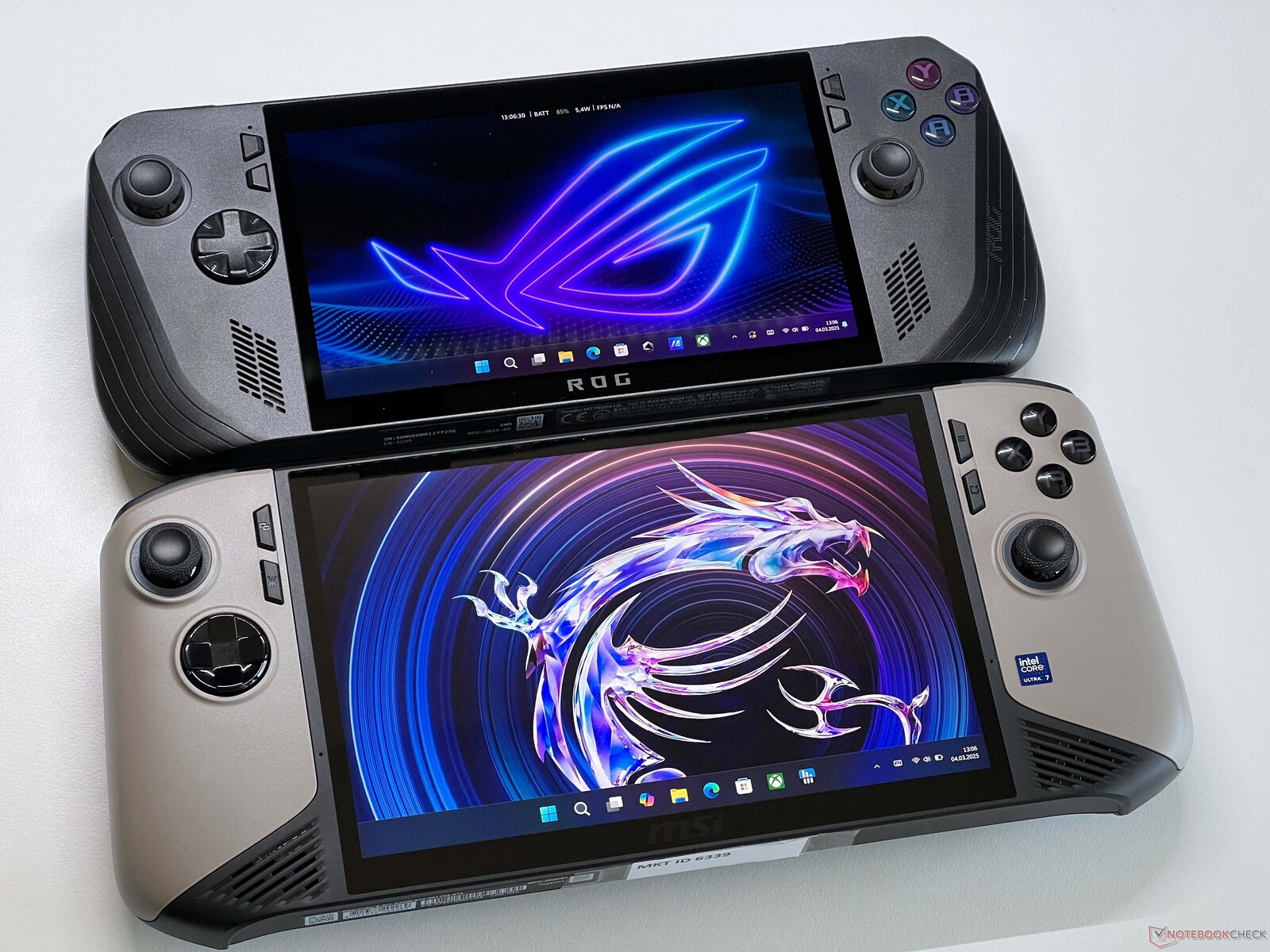
MSI is expected to be one of the first companies to use Intel’s upcoming Arc G3 chips. A new 8-inch gaming handheld is reportedly in development and may arrive as an updated version of the Claw lineup. If accurate, this could mark a significant step forward for MSI’s portable gaming efforts, especially if Intel’s new hardware delivers improved efficiency and graphics performance.
Acer is also rumored to be working on a handheld device powered by the new Intel chips. The device is said to be called the Predator Atlas 8, which would place it in Acer’s gaming-focused Predator family. While not every previously teased handheld from the company has made it to store shelves, a new Intel-powered model could help Acer compete more aggressively in the growing handheld PC market.
In terms of specifications, both the Arc G3 and Arc G3 Extreme are expected to feature a 14-core CPU configuration. This setup reportedly includes 2 performance cores, 8 efficiency cores, and 4 low-power efficiency cores. That combination suggests Intel is focusing on balancing performance and battery life, which is critical for handheld gaming systems where power limits and heat management matter just as much as raw speed.
The Arc G3 Extreme is expected to offer a slightly higher boost clock than the standard version, reaching up to 4.7 GHz compared to 4.6 GHz on the regular Arc G3. While that difference may look small on paper, the bigger distinction could come from the graphics side.
The standard Arc G3 is said to include an Arc B370 GPU with 10 Xe cores, while the Arc G3 Extreme may use a faster Arc B390 GPU with 12 Xe cores. This could give the Extreme variant an advantage in demanding games, higher-resolution gameplay, and smoother frame rates.
Even so, the difference between the two models may not be dramatic in every real-world scenario. Gaming handheld performance often depends heavily on thermal design, power settings, cooling systems, software optimization, and battery capacity. Two devices using similar chips can perform very differently depending on how each manufacturer tunes the hardware.
Early benchmark claims based on simulated hardware suggest the Arc G3 Extreme could outperform AMD’s Ryzen Z2 Extreme, which is currently expected to be one of the strongest chips in the handheld gaming category. If those early results hold true in final retail devices, Intel could have a serious contender for the portable gaming performance crown.
Panther Lake is also expected to bring improved power efficiency, and that may be one of Intel’s biggest advantages. Handheld gaming PCs need strong performance within tight power limits, often running between battery-saving modes and higher-performance plugged-in profiles. A more efficient architecture could help deliver better frame rates without draining the battery too quickly or causing excessive heat.
The arrival of Intel Arc G3 and Arc G3 Extreme could also increase competition across the handheld gaming market. More competition usually means better products, more aggressive pricing, and faster innovation. For gamers, that could lead to handheld PCs with longer battery life, stronger graphics, smoother gameplay, and more design choices.
If the May 28 reveal happens as rumored, Intel could soon provide official details on specifications, performance targets, power consumption, and partner devices. Until then, the Arc G3 and Arc G3 Extreme remain highly anticipated chips that could play a major role in the next wave of Windows gaming handhelds.
For now, all eyes are on Intel, MSI, and Acer as the portable gaming PC market prepares for what could be one of its most interesting hardware launches of 2026.