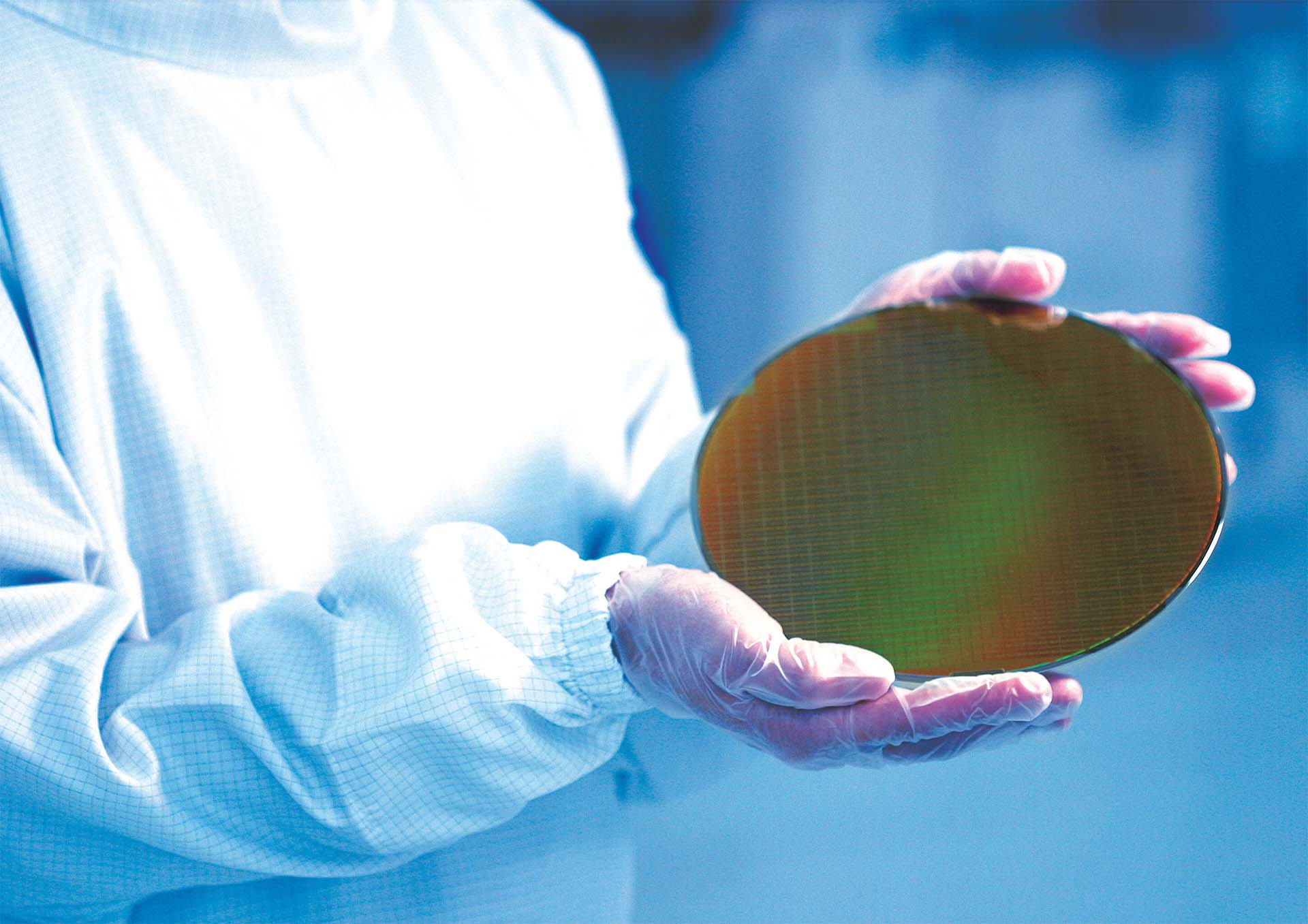
Samsung Workers Approve Wage Deal, Easing Strike Fears and Securing Major Bonuses for Chip Employees
Samsung Electronics has cleared a major labor hurdle after unionized workers approved a new wage agreement packed with incentives, reducing the risk of a prolonged strike that could have disrupted production across one of the world’s most important technology supply chains.
The deal was approved by Samsung’s semiconductor union, which represents 62,616 workers. Around 74% voted in favor of the proposal, giving management a crucial win at a time when the company is working to maintain momentum in memory chips, AI-related semiconductors, and advanced manufacturing.
The approval is especially significant for Samsung’s chip business, where production stability is essential. Any extended labor action in the semiconductor division could have created delays at a sensitive moment for the global tech industry, particularly as demand for AI hardware and high-performance memory continues to rise.
Under the new agreement, Samsung semiconductor employees are set to receive major compensation benefits. The package includes a cash bonus of up to 50% of pay, along with a special stock-based performance bonus tied to the company’s operating profit.
The performance bonus will equal 10.5% of Samsung’s annual operating profits if the company surpasses specific profit targets. Those thresholds are set at 200 trillion won, or about $132 billion, from 2026 to 2028, and 100 trillion won, or about $66 billion, from 2029 to 2035.
Based on Samsung’s expected operating profit of 331 trillion won this year, semiconductor employees could receive an average all-stock performance bonus worth around 509 million won, or approximately $370,000.
While the agreement is a major victory for Samsung’s semiconductor workforce, it also highlights a growing compensation gap between different divisions inside the company.
Workers in Samsung’s mobile division are expected to receive far smaller bonuses under the new deal, estimated at around 6 million won, or roughly $4,000. Employees in the LSI division are expected to receive about 160 million won, or around $100,000, in bonuses.
The difference in payouts appears to have created tension across Samsung’s broader workforce. While the semiconductor union strongly backed the agreement, a separate union representing workers across the entire company, including mobile division employees, showed much weaker support. That wider group reportedly gave the deal only 21.1% approval.
The outcome reveals a sharp divide within Samsung as its semiconductor business becomes increasingly central to the company’s growth strategy. Chip employees are being rewarded heavily because their division is seen as critical to Samsung’s future profits, especially as the company competes in memory, foundry services, and AI-focused semiconductor technologies.
For Samsung management, the vote brings short-term relief. A major strike threat has been reduced, production uncertainty has eased, and the company can now focus on meeting demand in its semiconductor operations.
For workers, however, the deal may deepen questions about fairness across the organization. Semiconductor employees are receiving life-changing bonus opportunities, while employees in other divisions are receiving far more modest compensation.
The agreement marks one of the most important labor developments at Samsung in recent years. It also shows how valuable semiconductor talent has become as global technology companies race to secure stronger positions in artificial intelligence, data centers, mobile hardware, and next-generation computing.