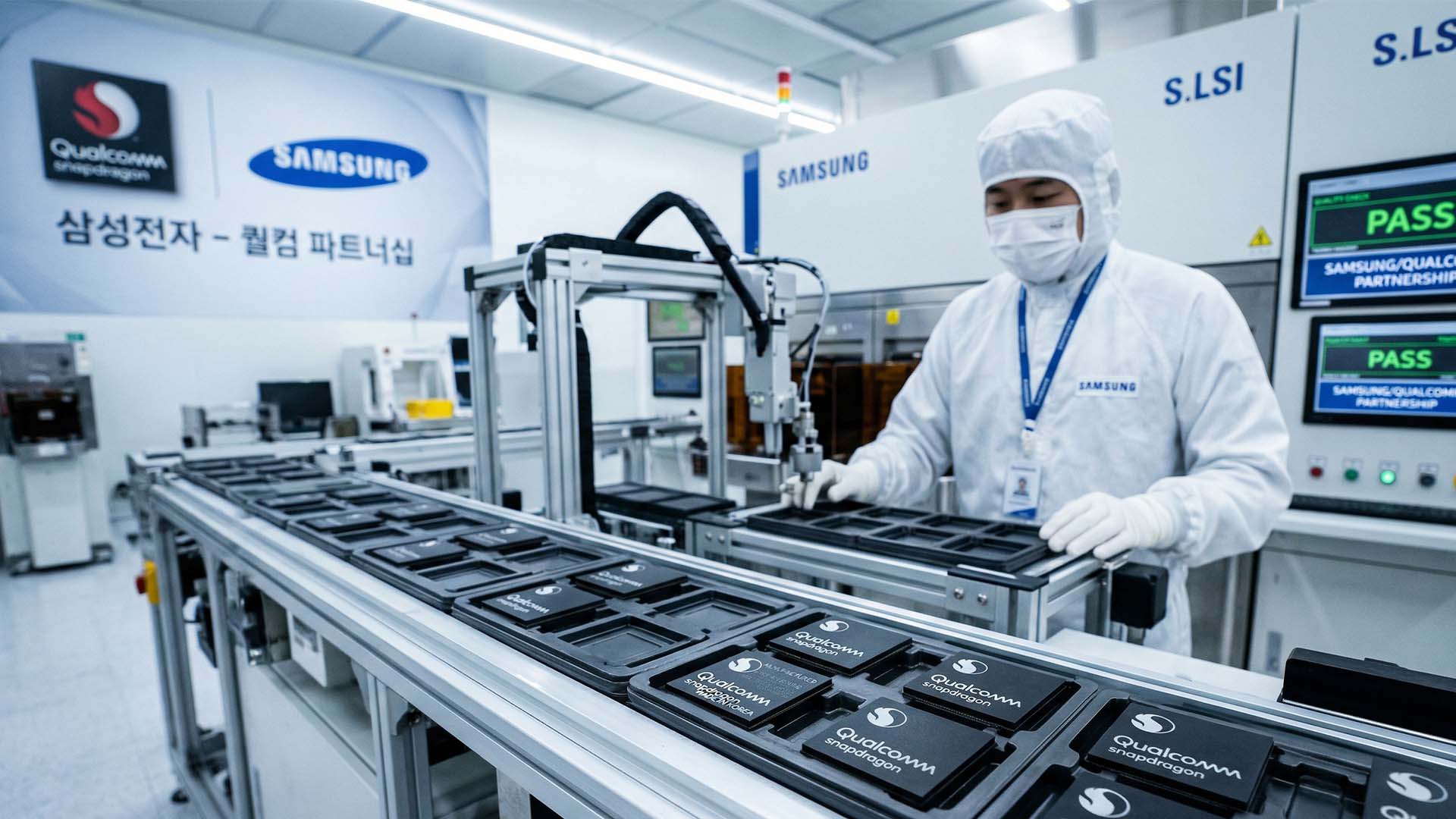
Samsung’s bid to avert a major labor showdown has hit a wall. After a grueling 17-hour negotiation session, talks between the company and its unionized workforce have collapsed—effectively closing the last realistic window for reaching a deal before a strike that could ripple across the global semiconductor supply chain.
Unless one side makes a dramatic concession, Samsung is now staring down an 18-day union-led strike scheduled to run from May 21 through June 7. The potential disruption doesn’t end when workers return, either. In semiconductor manufacturing, pausing routine setup, monitoring, and equipment maintenance can create a slow restart—meaning recovery can take roughly twice the downtime. In practical terms, an 18-day walkout could translate into as many as 36 days to fully restore normal production levels.
What the union is demanding, and why it matters
At the center of the dispute is compensation tied to performance. Samsung’s union workers are seeking bonuses equivalent to 15 percent of the company’s annual operating profit—an amount described as roughly $30 billion. If no agreement is reached, the union has signaled the strike will proceed, with 41,000 unionized workers already indicating their intent to participate. That number could eventually rise beyond 50,000, escalating the operational risk.
Samsung’s leadership is now caught in a high-stakes dilemma: accept an extremely costly bonus framework or endure what could become one of the most disruptive production interruptions the company has faced in years.
Early signs of disruption are already alarming
The union has already demonstrated its ability to disrupt output. After a large rally held on April 23—reportedly drawing up to 40,000 attendees—the union estimated that production at Samsung’s memory fabs (which are highly automated) fell by 18.4 percent, while output at the company’s more labor-intensive foundry lines dropped by 58.1 percent.
Those figures matter because they hint at what could happen during a sustained strike, particularly in manufacturing environments where even automated lines still rely on skilled teams for tool calibration, handling exceptions, quality checks, and continuous maintenance.
Which products could be hit hardest
A prolonged shutdown and slow ramp back up could place special pressure on high-performance server DRAM and enterprise SSD products. These are critical components for data centers and enterprise infrastructure, and any supply squeeze can cascade quickly through pricing, contract commitments, and downstream hardware availability.
The financial impact could be enormous. Estimates in the post suggest Samsung’s losses could reach as high as 30 trillion won (around $20 billion), depending on how deep the disruption goes and how long the recovery drags on.
Why Samsung can’t easily “just pay” to end the dispute
Even if Samsung could swallow the short-term cost, giving in fully could create a long-term internal problem. The dispute isn’t only about money—it’s also about precedent and internal balance. If semiconductor workers secure bonuses far richer than other divisions, Samsung risks creating a perceived hierarchy where employees in chips are treated as more valuable than teams elsewhere in the business, including mobile. That kind of gap can damage morale, complicate internal compensation policy, and fuel broader workplace friction.
On the flip side, refusing the union’s terms could mean accepting massive operational losses today—plus the possibility of repeat strikes in the future.
The competitive pressure from SK hynix is adding fuel
There’s also an external talent and competitiveness angle. As the standoff continues, some semiconductor employees are reportedly looking at SK hynix as a more attractive employer, especially given that company’s practice of paying a 10 percent profit-linked bonus as a standard in recent years.
By comparison, the post highlights a Samsung retention arrangement described as an 80 million won package spread across three years, paired with restrictions that can prevent employees from joining competitors for two years after leaving. One engineer reportedly criticized the arrangement harshly, suggesting what once felt like a benefit now feels coercive.
What happens next
With negotiations broken down and the strike date approaching, Samsung faces a narrowing set of options. A one-time compromise tied to a record-profit year could buy temporary peace, but it may also set expectations for the future. Meanwhile, enduring a strike could trigger weeks of disrupted output and a prolonged recovery period, placing pressure on key product categories and potentially impacting customers across the tech ecosystem.
As it stands, Samsung’s next move will determine whether this becomes a contained labor dispute—or a drawn-out production shock with real consequences for the semiconductor market.