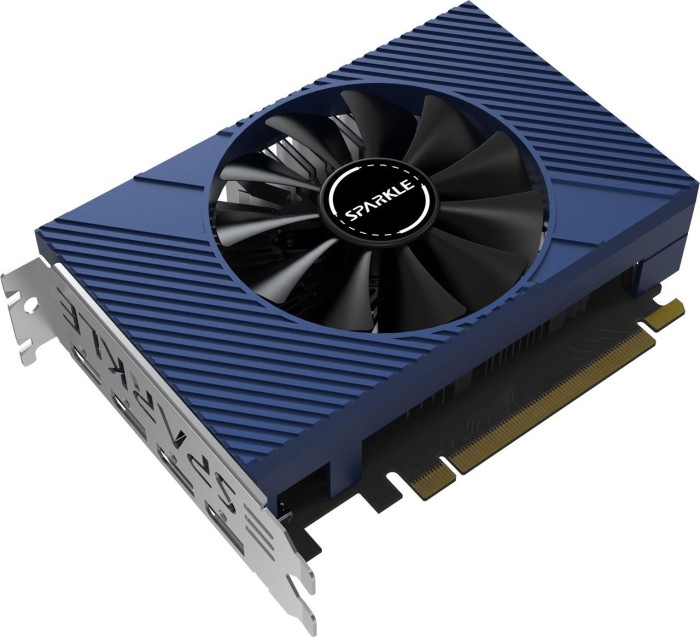
Intel’s entry into the dedicated graphics card market has been a hot topic of discussion, and with the release of the Arc A310, users are curious about its benchmarks and specifications. The A310 is Intel’s bid to offer a GPU option that balances performance and affordability in the desktop market. Understanding its capabilities is essential for anyone considering this card for their setup. This article delves into the performance benchmark results and detailed specifications of the Intel Arc A310.
Intel Arc A310 Specifications
The Intel Arc A310 graphics card is designed to cater to the needs of everyday computing with a focus on supporting basic gaming and multimedia activities. The specifications of the Arc A310 show that it aims to offer decent graphics performance without breaking the bank. Key specifications include its GPU architecture, memory type and size, core count, and power consumption.
Benchmark Performance
Benchmark tests are critical to assessing the real-world performance of any graphics card, and the Arc A310 has undergone various tests to evaluate its gaming prowess and general computing efficiency. It’s significant to assess both single and average benchmark scores to get a comprehensive view of how the A310 stacks up against its competitors. While the A310 may not be geared towards high-end gaming, it is expected to handle less demanding games with reasonable fidelity.
Industry Implications
As Intel aims to make a mark in the GPU market, the introduction of cards like the Arc A310 influences consumer choice and market dynamics. It’s useful to observe how this card competes, not just in terms of raw performance, but also in value for money, driver stability, and compatibility with various games and software. This competition could potentially lead to more options for consumers and innovations in integrated and dedicated GPU technology.
Practical Considerations for Consumers
Considering a graphics card purchase is not solely about choosing the one with the best benchmarks. Prospective buyers should weigh factors such as the type of applications they run, their performance expectations, and their budget. Those who need a GPU for everyday tasks, light gaming, or as an upgrade from integrated graphics may find the Arc A310 an appealing option.
Conclusion
The Intel Arc A310 is an intriguing entry-level option for those looking for an upgrade from integrated graphics without spending a considerable amount. While it may not boast the high-end performance of more expensive graphics cards, it promises to deliver sufficient power for casual gaming and multimedia tasks. Users should consider their specific needs and expectations when evaluating the A310’s potential fit for their systems. Further insight into the Arc A310’s capabilities will be gained as more users get their hands on this GPU and share their experiences with its everyday performance and reliability.