The race to produce the most affordable electric vehicle is intensifying as renowned automakers gear up to compete with Tesla’s anticipated mass market entry, the Model 2. Anticipation is high as the electric vehicle (EV) community awaits an official announcement and launch, with expectations of a price tag falling below the notable $25,000 threshold—a benchmark set to bring EVs into the realm of mainstream affordability.
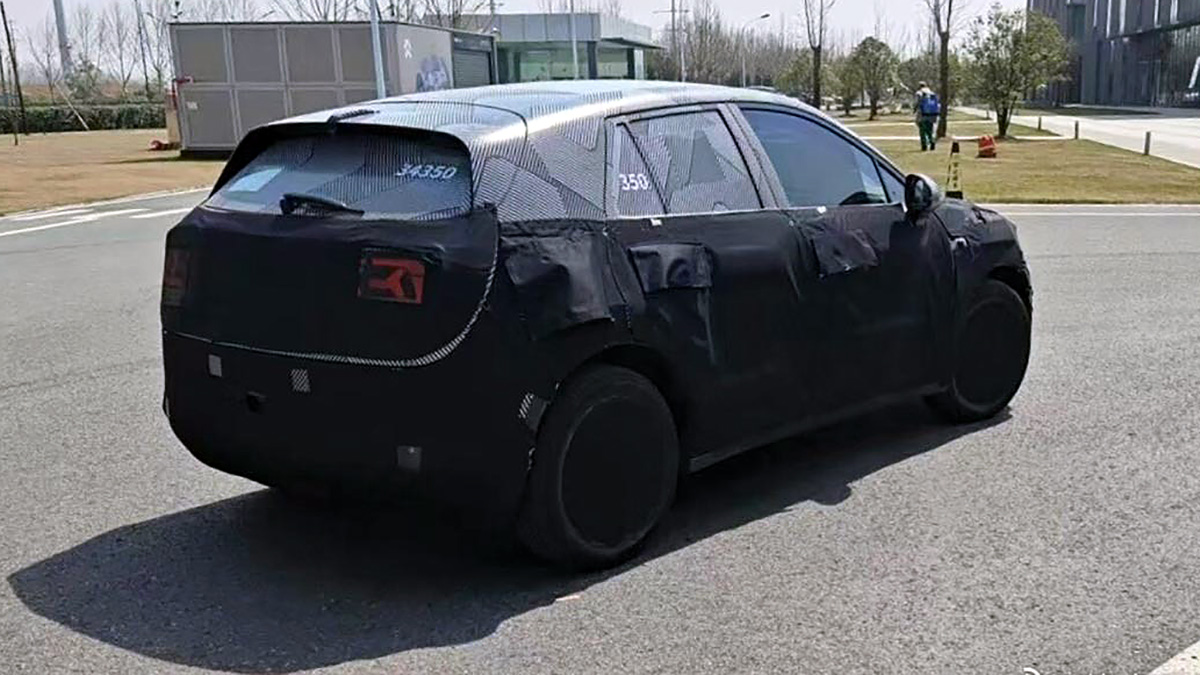
Rivaling Tesla’s push into the budget-friendly EV space, leading car manufacturers such as VW, NIO, and Ford are teasing their entries into the market. Notably, the automotive world has already been given a glimpse of NIO’s efforts through spy shots of its affordable Firefly brand’s inaugural model. This vehicle appears as a compact option, hinting at a hatchback or crossover design. NIO doesn’t stop there; they’re also preparing to launch a Model Y competitor under the Juniper project, having achieved a significant 10% reduction in production costs. This cost-saving doesn’t translate to compromised features, as NIO’s Firefly series will benefit from the company’s innovative swappable battery technology, bolstered by an expanding network of swap stations for ultra-convenient battery changes.
Ford is throwing its hat into the ring with a compact crossover anticipated to be manufactured in the United States utilizing LFP (lithium iron phosphate) batteries. With an approximate $25,000 price point, Ford’s budget EV is expected to make its debut a year after the Model 2’s release.
Not to be outdone, the third-largest EV maker, Volkswagen, is working on the VW ID.1—a small electric car with a price starting around $22,000, aiming to be on the market by 2027. Prior to this, Volkswagen plans to introduce the slightly larger VW ID.2all, with an impressive 280-mile range, though it may carry a slightly higher starting price of around $27,000 when it launches in 2026.
Tesla may maintain a competitive edge as it is projected to be the first to market, potentially releasing the Model 2 ahead of its competition by one to two years. Additionally, the effective price of the Model 2 could be further reduced with potential federal or state tax credits for buyers, making it an even more attractive proposition. Elon Musk has conveyed ambitions that the Model 2 will incite a “revolution in low-cost manufacturing,” with analysts predicting production volumes potentially exceeding 500,000 units in 2026.
In the backdrop of these developments, BYD, the world’s largest EV maker, presents another challenge to Tesla by already offering several models within the same budget-friendly price range, thus setting the stage for a highly competitive market.
The forthcoming advancements in the EV sector unveil an era where affordable and sustainable vehicles could become the norm, presenting consumers with a plethora of choices while contributing to the reduction of carbon footprints globally. As the automotive industry embarks on this electric trajectory, prospective buyers are eagerly anticipating the roll-out of these budget-conscious yet innovative EV models.