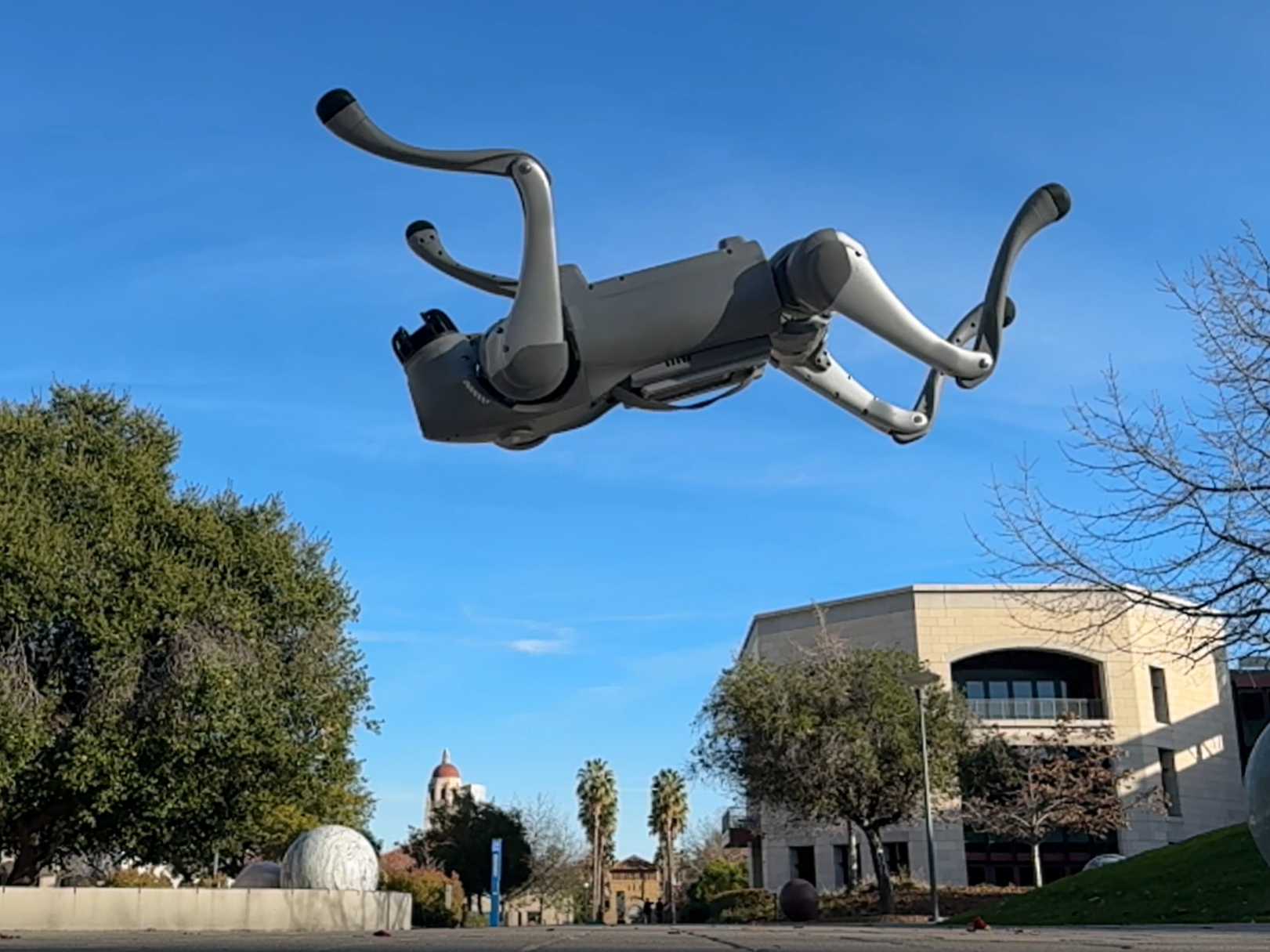
Imagine a world where robots can achieve ten years’ worth of training in just one hour. Thanks to Genesis, this scenario is now within reach. Developed by a powerhouse collaboration of 19 universities and tech giants—including MIT, Imperial College London, Peking University, Nvidia, and the MIT-IBM Watson AI Lab—Genesis is pushing the boundaries of robotic learning in unprecedented ways.
This state-of-the-art simulator allows robots to train in meticulously crafted virtual environments, expediting learning processes by up to an astonishing 430,000 times compared to traditional methods. How is this possible? Genesis leverages groundbreaking technologies, starting with its ability to effortlessly generate complex 3D environments through AI-driven text prompts. This means developers can create intricate settings—like bustling urban streets or dynamic factory floors—using simple, descriptive instructions.
The backbone of Genesis is its sophisticated physics engine, built from scratch to replicate a vast array of physical phenomena. Whether it’s the complexity of fluids interacting or the straightforward bump of colliding objects, the simulator handles it all with precision and speed. Speaking of speed, Genesis runs lightning-fast simulations, achieving up to 43 million frames per second on a standard Nvidia GeForce RTX 4090 graphics card. This is without the reliance on supercomputers, owing to the simulator’s cross-platform compatibility with a range of CPUs and GPUs, including those from Nvidia, AMD, and even Apple’s Metal ecosystem.
For developers and researchers, Genesis is not just fast; it’s also accessible. It’s an open-source project under the Apache License, Version 2.0, enabling extensive customization and enhancements from its users, with all resources readily available on GitHub.
Genesis holds potential across diverse fields. In industrial settings, it optimizes robotic functions such as welding, painting, or assembling objects on production lines. As for household robotics, it simulates intricate tasks and interactions in virtual homes. In disaster response, Genesis trains robots for searching hazardous areas for survivors. There’s even something for the entertainment industry, where Genesis simplifies the creation of realistic animations, simulating complex fluid and gas movements and intricate character motions.
The project’s demo showcases are captivating, with a four-legged robot demonstrating impressive maneuvers—from gallops to backflips—all trained through Genesis’s powerful RoboGen tool in mere hours.
For tech enthusiasts and creators alike, Genesis represents a thrilling leap forward, opening new frontiers not only in automation but also in the broader realms of design and artificial intelligence. It’s a toolset that nurtures curiosity, pushes innovation, and transforms ideas into reality. Whether you’re a budding engineer or an industry leader, Genesis invites you to explore and expand the horizons of what’s possible in the world of robotics and beyond.