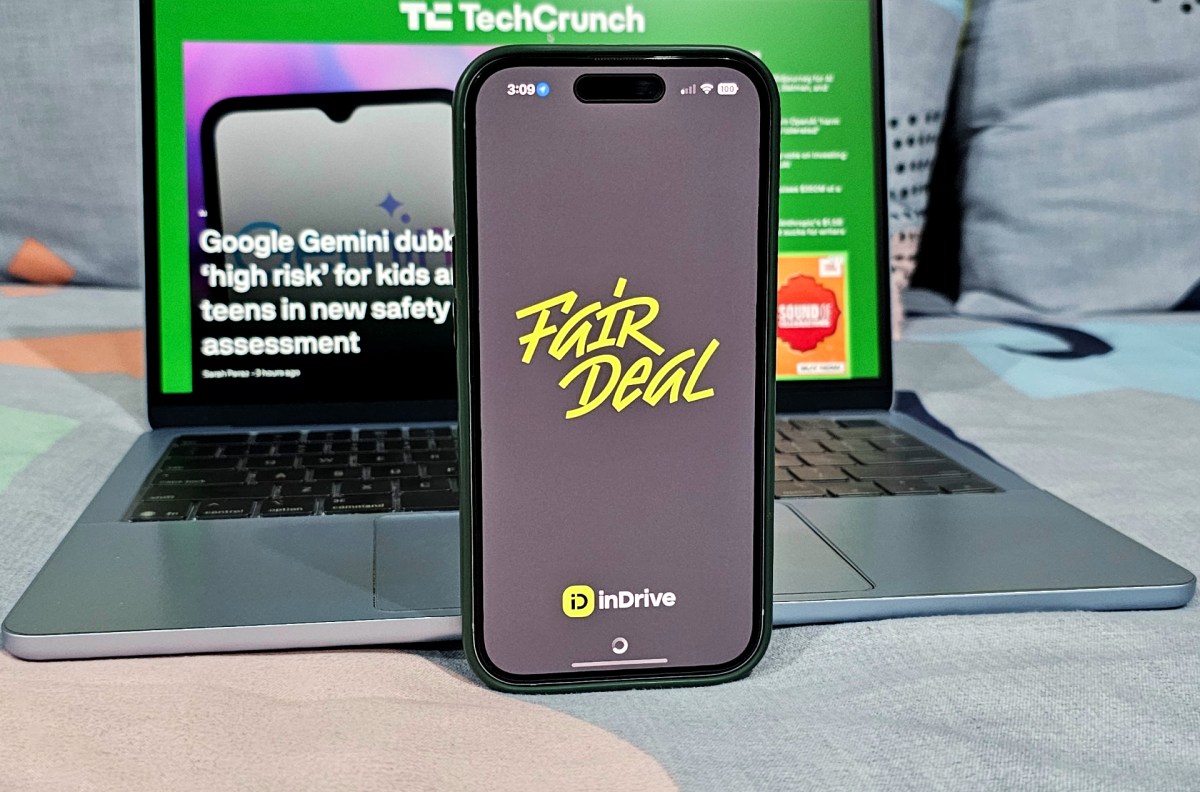
InDrive is stepping beyond ride-hailing and into everyday essentials with a bold super-app push focused on fast-growing frontier markets. The company, known for its bidding-based rides across Asia and Latin America, is starting with grocery delivery in Kazakhstan and plans to roll out more services across Brazil, Colombia, Egypt, Pakistan, Peru, and Mexico over the next year.
This pivot comes after more than 360 million app downloads and 6.5 billion transactions globally, making InDrive the world’s second most-downloaded ride-hailing app since 2022. The goal is simple: increase customer touchpoints, build loyalty, and deliver more value for cost-conscious users who rely on affordable, high-frequency services.
Grocery delivery is the first major step because it’s already one of InDrive’s fastest-scaling categories. The company completed over 41 million delivery orders in 2024 and surpassed 14 million in the second quarter of 2025 alone. In Kazakhstan, where the new service is live, users can choose from more than 5,000 items with a 15-minute delivery promise. Early pilots produced a net promoter score of 83% and an average of five grocery orders per user per month—clear signs that the proposition resonates.
InDrive is leveraging a dark-store model in Kazakhstan to keep deliveries fast and prices sharp, with a product mix focused on ready-to-eat meals and roughly 10% fresh goods to boost repeat usage. The network has expanded by 30% since August, and the company says the model will adapt by market, including partnerships with local retailers where mom-and-pop stores are prevalent.
Why start in Kazakhstan? InDrive operates in 982 cities across 48 countries and leads in eight markets, but Kazakhstan stands out for its rapid digital adoption and its role as the company’s largest operational hub, including R&D. Independent analysis indicates the country’s tech ecosystem has surged in value to roughly $26 billion—an 18x increase since 2019—while InDrive’s local business has grown strongly over the past year. With entrenched grocery apps already in the mix, InDrive is targeting a clear gap: affordable, accessible online groceries, positioning itself as the “Aldi” of the category for budget-minded shoppers.
The super-app vision is built around an integrated, personalized experience. InDrive plans to apply AI to tailor recommendations, simplify navigation for users with lower literacy, and make services more accessible to people with disabilities. This approach aims to avoid the pitfalls that have tripped up other super-app attempts while emulating the seamless utility seen in the most successful platforms globally.
To fuel expansion, InDrive set up a venture and M&A arm in late 2023 with plans to invest up to $100 million, and around 30% has already been committed to super-app initiatives. That includes a stake in Pakistan’s online grocery player Krave Mart. There’s no confirmed launch date for groceries in Pakistan, but the groundwork is underway.
Competition is inevitable. Uber, for instance, has broadened its ecosystem with food delivery in many markets. InDrive says it is zeroing in on consumers who are more price-sensitive and often underserved by premium-focused platforms, though overlap exists in some regions.
India remains a puzzle. Despite operating alongside Uber and homegrown rivals like Ola and Rapido, InDrive’s traction has slowed this year based on third-party download estimates, even as competitors have gained ground. The company is now concentrating on a handful of key cities and testing new models, especially in freight, along with payment options that let drivers cash out daily or operate under fixed take rates. Safety perception has also emerged as a challenge, with some riders and drivers citing concerns around the bidding model being misused. InDrive says safety and customer education are priorities and that it is investing more in training and communication for both drivers and passengers.
What’s next? InDrive is building a city-by-city portfolio of services that fit local needs. Financial services are high on the list: drivers in markets such as Brazil and Mexico can already access small loans within the app, and the company is exploring ways to extend credit to passengers and to small businesses involved in deliveries. Micro-mobility and deeper integration with local businesses and public transport are also on the table. Where InDrive lacks operational expertise, it plans to partner with established players rather than reinvent the wheel.
For users, the promise is a practical, affordable super-app centered on daily utility—rides, groceries, and more—designed for the realities of emerging markets. For InDrive, the bet is that frequent, reliable services at the right price can turn a ride-hailing favorite into a multi-service essential.