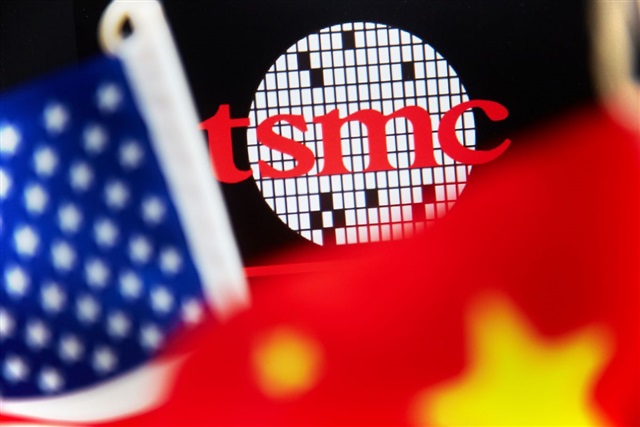
In recent developments, Taiwan Semiconductor Manufacturing Company (TSMC) has communicated a significant shift to its Chinese clientele. The tech giant announced they will cease shipments of AI-related chips crafted using 7nm or smaller processes. This move signifies a major pivot in the tech landscape, potentially impacting Chinese technology advancements.
Adding another layer of complexity, TSMC informed that any new AI chip projects kickstarted after November 11 will face additional scrutiny. These projects must obtain clearance from the United States Department of Commerce alongside other regulatory entities. This mandate underscores the increasing role of international policies in global tech logistics.
These changes emerge against a backdrop of heightened tension in technological exchanges between the US and China. Limiting access to advanced chip technology could slow the pace of innovation and growth for various industries within China. Companies relying heavily on state-of-the-art processors for artificial intelligence applications might need to navigate this new terrain cautiously, potentially seeking alternative solutions or partnerships.
Observers speculate that this regulation may stimulate new dynamics in the tech industry, prompting Chinese firms to strengthen domestic capabilities or expand collaborations with other nations less affected by these regulations. The tech community worldwide watches closely as this scenario evolves, anticipating its broader implications for the future of technology development and international cooperation.