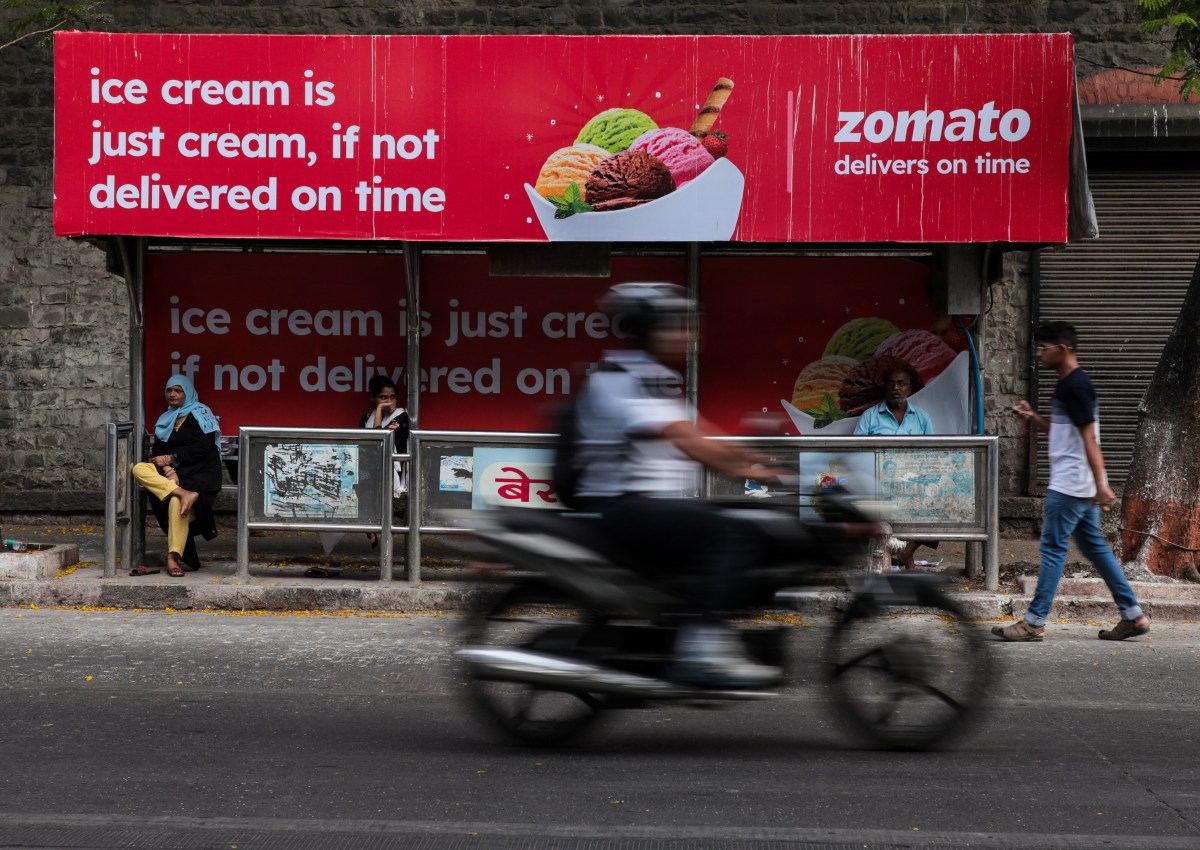
In the bustling urban centers of India, the trend of quick commerce is gaining momentum, promising delivery of groceries within a mere 10 minutes. Companies like Blinkit, Zepto, and Swiggy’s Instamart have tapped into this surge, steering towards possible profitability. Initiatives like Zomato’s acquisition of Blinkit in 2022 suggest a Strategic shift towards this new retail model.
This innovative take on retail has attracted the attention of financial analysts, with Goldman Sachs indicating that platforms like Blinkit could even surpass their parent company’s worth. The distribution of the market is competitive, with Blinkit owning a substantial share and Swiggy’s Instamart and Zepto following closely. The quick commerce space is soon to welcome an industry heavyweight, Flipkart, affirming the growth prospects of this sector.
Investment activity flares with high valuations and order volumes. In a striking example, Zomato, commanding a staggering $19.7 billion valuation, is indicative of this investor confidence.
Consumer behavior mirrors this enthusiasm, especially among younger demographics. A survey by Bernstein reveals significant adoption, more pronounced in the millennial cohort, with more than half of those aged 18 to 25 favoring quick commerce. This shift isn’t restricted to younger consumers, as even those above 36 years are turning to digital channels, with a noticeable preference for quick commerce.
The Indian context presents a prime opportunity for quick commerce to flourish. With e-commerce sales in the country totaling $60 billion to $65 billion last year, the potential market space is vast compared to the modest penetration that e-commerce currently has. This narrative extends to Reliance Retail and other unorganized retail sectors, which dominate the retail market.
Quick commerce companies are learning from kirana stores, instituting dark stores within close range of order hotspots for swift deliveries. This contrasts with traditional e-commerce warehousing strategies and is more in tune with the frequent and immediate needs of Indian consumers.
The growth of quick commerce reflects in SKU expansions within dark stores and competitive pricing models that pose a threat to traditional mom-and-pop stores.
Zepto, Blinkit, and Swiggy’s Instamart are broadening their horizons, moving into categories beyond groceries. Such expansions pose potential challenges for established e-commerce firms like Amazon, with indispensable categories like electronics and fashion witnessing entry from quick commerce platforms.
Despite this, the transition into certain high-value item sales like smartphones may not yet align with quick commerce’s capabilities. As the infrastructure is primarily tailored for forward-commerce, the intricacies of returning high-ticket items remain unresolved.
Yet, the story of quick commerce is notably urban-centric, with dominance in the top cities. And while Flipkart prepares to introduce quick commerce services, Amazon’s focus appears to diverge, sticking to its traditional e-commerce approach.
As the Indian market evolves, the dueling narratives of quick commerce and traditional e-commerce will shape consumer experiences. With brands increasingly prioritizing quick commerce and customers warming up to the convenience of rapid deliveries, a transformative retail landscape is on the horizon. India is braced for a competitive market where quick commerce could potentially redefine the essence of shopping convenience and efficiency.


