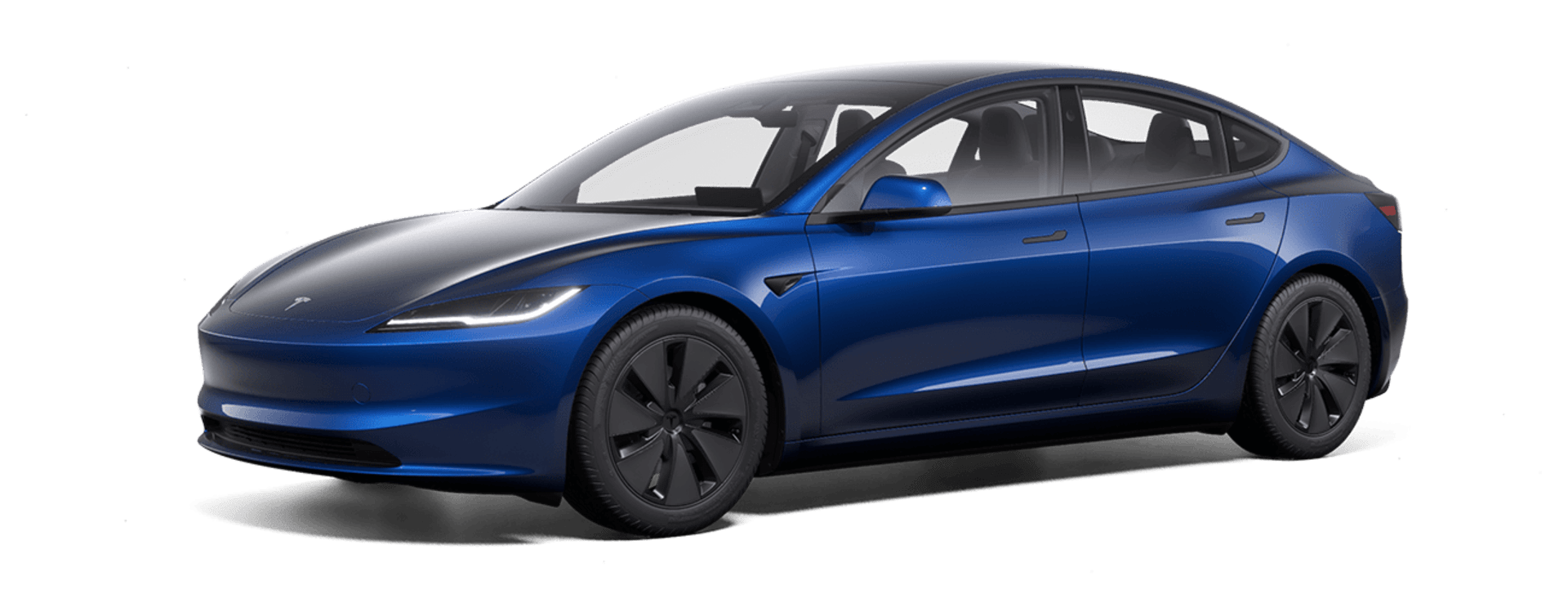
President Biden’s decision to impose higher import duties on Chinese EV and battery industries could impact American manufacturers, including Tesla. The tariffs specifically target electric vehicle components like batteries, which could affect the production costs for Tesla’s Model 3.
The Tesla Model 3 RWD is the company’s most affordable vehicle before applying the federal tax credit. Its competitive pricing is partly due to the use of iron phosphate LFP batteries from CATL, one of the largest EV battery makers based in China. With the new tariffs, these battery cells will incur a 25% duty, a significant climb from the previous 7.5%.
The steep rise in import taxes for the batteries might suggest that Tesla would have to offset the higher costs by raising the price of the Model 3, as the battery pack is its costliest component. However, industry experts forecast that the company is more likely to absorb the increased production costs instead of hiking the vehicle’s price. This is due to the sensitive nature of the US EV market, which currently favors the slightly more expensive Model Y, especially with the available tax credit and low financing offers. Raising the price of the Model 3 could make it less attractive to consumers.
To cope with the new tariffs, Tesla may seek alternative cost-saving measures or negotiate with CATL to reduce battery prices rather than decreasing its profit margins on the Model 3. One of the broader aims of these increased tariffs is to encourage domestic production of electric vehicles and batteries within the United States.
Ford Motor Company, for example, has abandoned plans to produce a base model of the F-150 Lightning with LFP batteries but remains committed to establishing a factory that will utilize CATL’s LFP technology under Ford’s management. This move aligns with their long-term chemistry strategy and supports domestic production.
Tesla, too, is considering the long-term implications, as reports indicate plans to establish a factory that would produce LFP batteries using CATL’s technology. This approach would enable Tesla to meet the requirements for tax incentives associated with using American-made EV batteries with domestically-sourced materials.
In summary, despite the increased tariffs on Chinese battery components, Tesla is unlikely to raise the price of its Model 3. Instead, the company is anticipated to seek cost-saving alternatives or strategic negotiations to minimize impact while aligning with the push for increased domestic EV production.