Tesla is actively exploring the integration of CATL’s innovative M3P battery technology into its electric vehicles as a potential game-changer for more affordable EV production. Emphasizing the value of manganese as a key material during the Giga Berlin opening, Elon Musk signified that this element could be instrumental in mass-producing batteries at terawatt scales.
It has been speculated that Tesla is set to become a consumer of CATL’s manganese phosphate batteries, which match the affordability and simplicity of production of the lithium iron phosphate (LFP) cells used in the Model 3, while also delivering a 15-20% boost in energy density. That said, official timeframes for the battery’s deployment in Tesla cars remain unconfirmed. Presently, CATL confirms their M3P batteries are used in Huawei/Cherry vehicles, though ongoing collaborations are aimed at expanding to other clients, including Tesla.
CATL’s pioneering technology is designed to propel midrange electric vehicles across an impressive 700km (or roughly 435 miles) based on the lenient Chinese CLTC cycle. Translated to the more stringent U.S. EPA standards, this would likely equate to an official range of about 300 miles. The distinct advantage of these batteries is their greater energy density, which enables smaller battery sizes, thus reducing cost and vehicle weight, all other factors being constant.
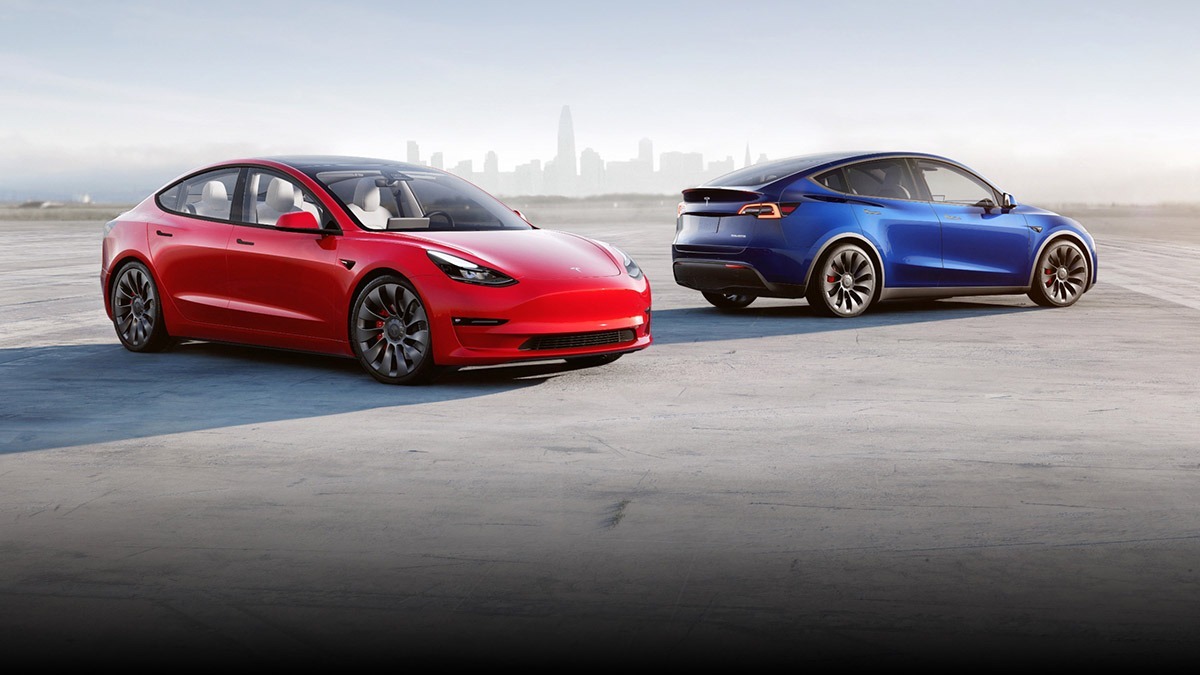
Rumors suggested that CATL’s M3P batteries might first be implemented in the Tesla Model Y produced at Giga Berlin, followed by application in the Model 3 Highland. However, this integration has not yet occurred, as Tesla continues the certification and validation process with CATL. With Tesla facing the loss of federal tax credit eligibility for the Model 3 Highland due to its use of Chinese batteries, the adoption of superior manganese batteries appears to be a strategic move for the company’s future models.
Additionally, Tesla is in discussions regarding the possibility of expanding its U.S.-based battery production using CATL equipment to manufacture phosphate cells, inquiring whether such a move might make them eligible for tax credits without any direct involvement from China.
The push towards leveraging CATL’s M3P battery technology may signal a significant step forward for Tesla in optimizing cost-efficiency and performance of its electric vehicles, bolstering its leadership position in the global EV market.