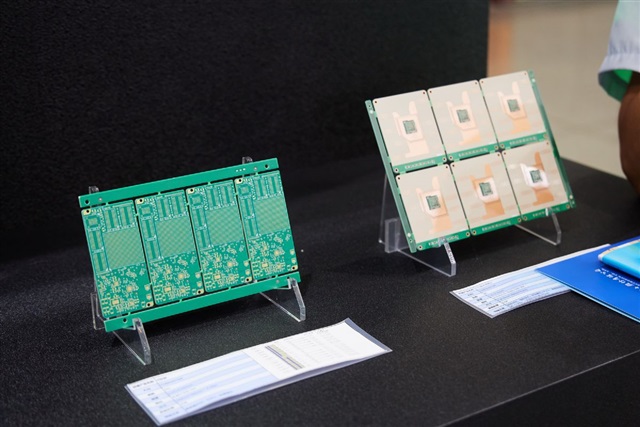
The global PCB industry is entering a major upgrade cycle, and the rapid rise of AI is a big reason why. As demand for AI servers and high-performance computing accelerates, more of the spotlight is shifting to the behind-the-scenes technologies that make these systems possible—especially advanced chip packaging and the complex circuit boards that connect everything together.
Among the biggest winners are IC substrate manufacturers, a critical part of the advanced packaging supply chain. Companies such as Unimicron and Kinsus are gradually moving past the oversupply pressure that followed the post-pandemic capacity surge, when aggressive expansion led to a bottleneck across the industry. Now, as AI-related demand ramps up, that earlier excess capacity is starting to get absorbed—and order momentum is returning.
What’s especially notable is how this recovery is spreading beyond IC substrates into the broader PCB ecosystem. The increase in AI infrastructure buildouts is now lifting multiple networking and server PCB makers, including Gold Circuit Electronics (CGE), Allied Circuit Co. (ACCL), and First Hi-tec. These firms are seeing stronger order flow tied to network equipment and server platforms, segments that typically require higher-spec materials, tighter manufacturing tolerances, and more advanced production capability than standard consumer electronics boards.
The result is a clear rebound for Taiwan’s PCB sector. With IC substrates and networking/server PCBs gaining traction, Taiwan’s PCB manufacturing output value reportedly achieved double-digit year-over-year growth in 2025, reflecting both improving demand conditions and the industry’s steady shift toward higher-value, AI-driven products.
As AI continues to expand across data centers, cloud platforms, and enterprise networks, the PCB and IC substrate supply chain is positioned to stay at the center of this growth—fueling upgrades in materials, manufacturing equipment, and next-generation packaging technology.