Hyundai Motor Group is putting robots at the center of its long-term future, signaling that robotics is no longer a side project but a major pillar of the company’s next-generation strategy. With ongoing investment in research and development through its Robotics Lab, Hyundai is moving quickly to build what it views as a practical, scalable robot ecosystem—one designed for real-world deployment rather than flashy demonstrations.
A key part of Hyundai’s approach is its clear stance on humanoid robots. Instead of chasing an “all-purpose” humanoid that can do everything, the company is focusing on specialized robots built to handle specific jobs extremely well. The idea is straightforward: in factories, logistics centers, and everyday service environments, purpose-built robots can often deliver better performance, lower costs, and faster time-to-market than a single humanoid platform trying to replicate the full range of human capabilities.
This strategy reflects a broader shift happening across the robotics industry. Building a humanlike robot that’s safe, affordable, energy-efficient, and versatile remains a complex challenge. Hyundai appears to be betting that customers and partners will see more immediate value in robots designed around clearly defined tasks—such as mobility, material handling, inspection, or assisted services—rather than waiting for a one-robot-fits-all breakthrough.
By emphasizing a “robot ecosystem strategy,” Hyundai is also suggesting that the future won’t be dominated by one robot type. Instead, it will likely involve multiple robot categories working together, supported by shared software, data, and operational infrastructure. In that model, robots become tools that plug into business workflows and daily life, where reliability and measurable productivity gains matter more than humanlike appearance.
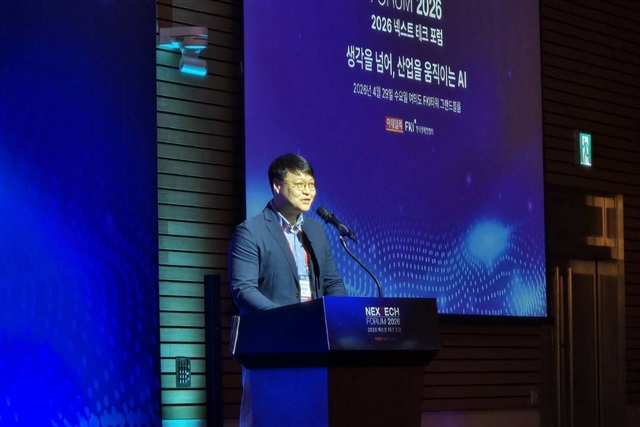
With leadership at the Robotics Lab highlighting this direction, Hyundai’s message is that robotics innovation should be practical first: build machines that solve real problems, deploy them at scale, and keep improving through continuous R&D. If executed well, this could strengthen Hyundai’s position in industrial automation and emerging service robotics markets—especially as demand grows for smarter logistics, safer workplaces, and more efficient manufacturing.
As robotics becomes more central to global competitiveness, Hyundai’s decision to prioritize specialized robots over general-purpose humanoids could help it move faster, deliver clearer value, and create a foundation for long-term growth in the robotics space.


