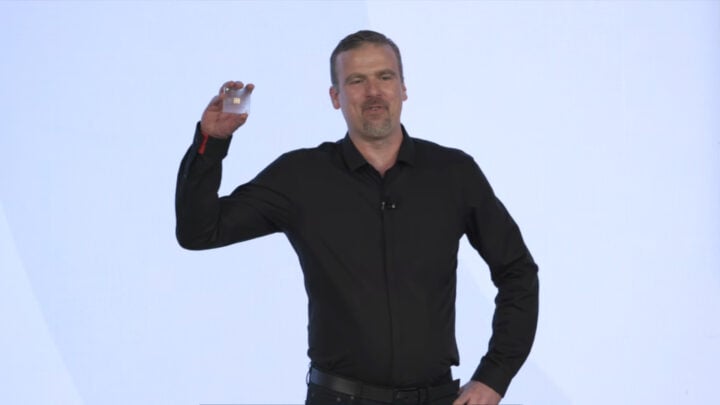
As the extended reality (XR) market continues to expand, Hugo Swart, the Vice President of Qualcomm’s XR division, has made a significant career move by departing from the company after a notable 20-year tenure. Swart’s departure comes at a pivotal moment for Qualcomm, particularly as the semiconductor giant prepares for the launch of major XR headsets, including the highly anticipated Samsung XR headset.
Qualcomm Faces Leadership Change at a Critical Juncture
Swart’s exit from Qualcomm could have implications for the company. Having contributed significantly to the development and promotion of Qualcomm’s XR chips, Swart has been a key figure at the forefront of wearable technology innovations. The departure could signal a period of transition for the company, especially since Qualcomm has made significant strides in the XR market with announcements such as the XR2 Gen 2 processor—a chip that has already found a place in the Meta Quest 3—and the even more robust XR2+ Gen 2 processor, which is expected to power Samsung’s inaugural XR headset.
In the wake of Swart’s departure, Alex Katouzian, Group General Manager of the Mobile, XR, and Compute Business Unit, is set to take charge of Qualcomm’s XR division. The performance and reception of Samsung’s first XR headset are crucial for Qualcomm, as success would cement the company’s position as the leading entity in the XR headset industry.
Competition within the XR space is intensifying. The recent launch of Apple’s XR headset, Vision Pro, garnered mixed reactions, demonstrating that there is still room within the market for new entrants. Samsung is expected to reveal its XR headset later in the year—a collaboration that also involves Google and offers Qualcomm another avenue to expand its presence in the semiconductor market.
In summary, while Qualcomm navigates this shift, its sights remain set on the impending release of Samsung’s XR headset, which could strengthen Qualcomm’s standing in the burgeoning XR ecosystem.


