Apple’s OLED tablet push is just getting started, but the real challenge is price
Apple helped bring OLED tablets into the spotlight in 2024 with the launch of the iPad Pro featuring Tandem OLED technology. The move marked an important turning point for premium tablets, as Apple tackled two of the biggest concerns surrounding OLED displays in larger devices: brightness and long-term durability.
Tandem OLED was designed to improve display lifespan while delivering the high brightness levels users expect from a professional tablet. For the iPad Pro, this made sense. Apple’s top-tier tablet is aimed at creators, professionals, and power users who are more likely to pay extra for better display quality, richer contrast, deeper blacks, and improved energy efficiency.
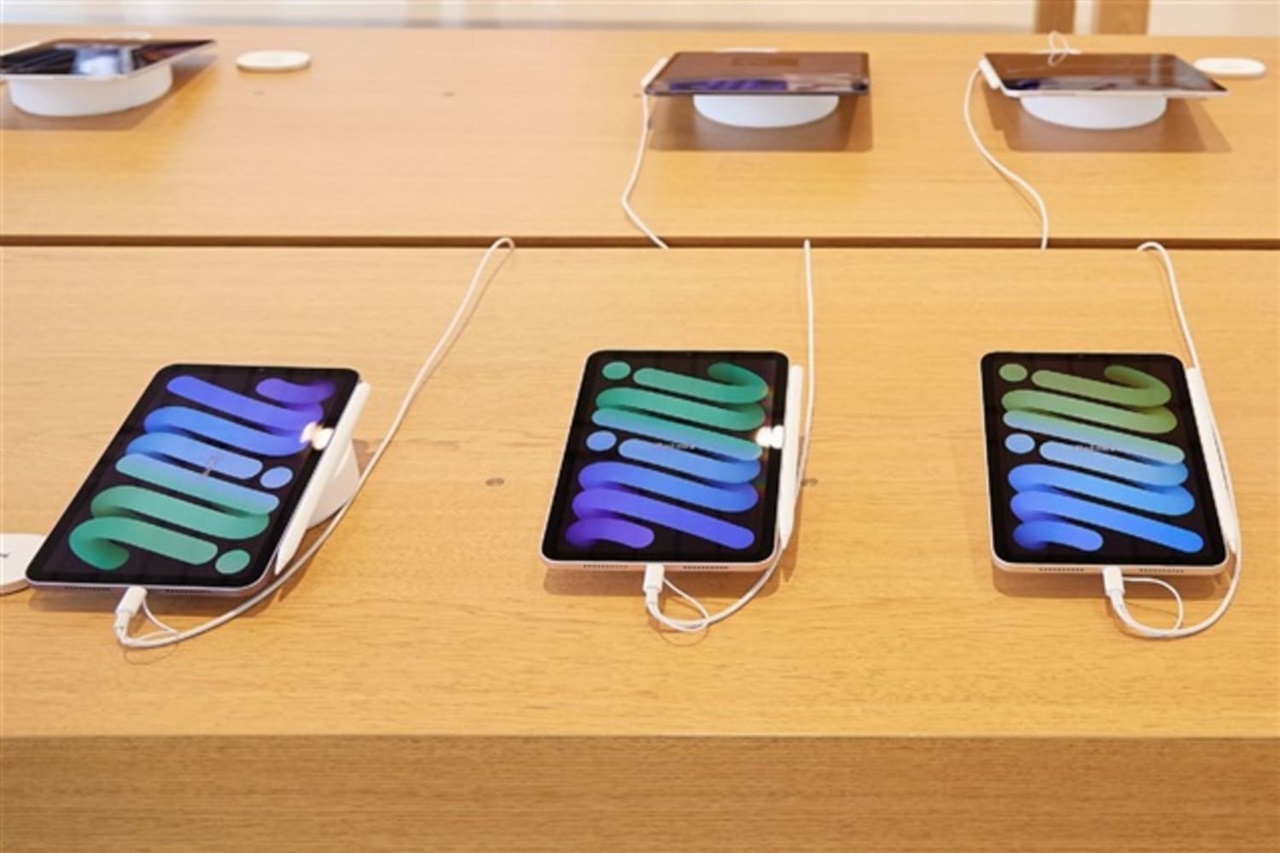
The next step in Apple’s OLED tablet roadmap is expected to involve the iPad mini, which is reportedly set to move to OLED in the second half of 2026. However, while this sounds like a major upgrade for fans of the compact tablet, its influence on the wider OLED market may be limited. The iPad mini ships at a much smaller scale, with annual shipments estimated at around 2 million units. That means its transition to OLED will likely be more symbolic than market-changing.
The bigger issue remains cost. OLED panels for tablets are still significantly more expensive than traditional LCD panels, with current prices estimated to be roughly double. That price gap is one of the main reasons OLED adoption in tablets and other IT devices has not accelerated as quickly as some expected.
Industry analysts have noted that tablet OLED growth remained relatively slow through 2024 and 2025. Despite the excitement around Apple’s iPad Pro, the broader market has not yet reached the point where OLED can become standard across mainstream tablets. Manufacturers still need panel prices to fall before OLED can spread beyond premium models.
This is where devices like the iPad Air could become important in the future. If Apple eventually brings OLED to a more widely adopted iPad model, it could create stronger demand across the supply chain and help push panel makers to scale production. Higher production volume could then help reduce costs, making OLED displays more accessible across tablets, laptops, and other IT products.
For now, OLED remains a premium feature in the tablet market. Apple has proven that the technology can work beautifully in high-end devices, but the next phase depends on affordability. Until OLED panel prices move closer to LCD levels, widespread adoption will remain limited.
The tablet OLED era has begun, but it is still in its early stages. Apple’s premium iPads may have opened the door, yet the real breakthrough will come when OLED becomes affordable enough for mainstream tablets.


