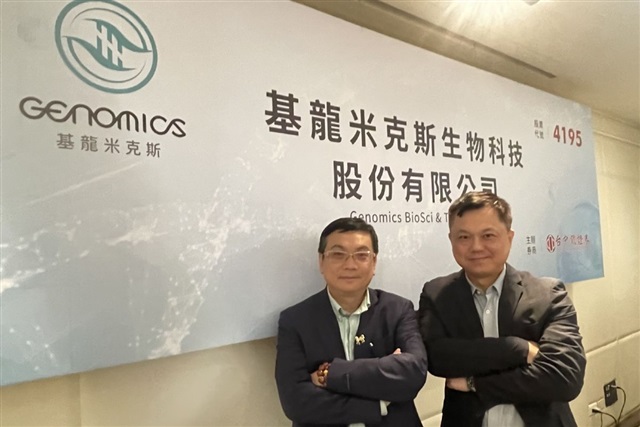
Genomics BioSci & Tech, Taiwan’s largest commercial genomic sequencing company, is ramping up its use of artificial intelligence to dig deeper into the biology of aging and disease. The company believes the next leap in healthcare will come from combining large-scale genome data with AI tools that can spot patterns too complex for traditional analysis—turning raw genetic information into insights that can actually guide research and future medical decisions.
Founder and chairman Joseph Chow says the starting point is simple but powerful: every person’s genome is unique. That uniqueness is what makes genetics so valuable—and also what makes it so difficult. Sequencing can reveal enormous volumes of data, but understanding what that data means for real-world conditions like age-related decline, chronic illness, and disease risk is where AI becomes essential. By training AI models to detect links between genetic variations and biological outcomes, the company aims to accelerate discoveries that might otherwise take years.
The push reflects a broader shift in modern genomics. Sequencing technology has become faster and more accessible, but interpretation remains the biggest bottleneck. AI-driven genomics is increasingly seen as a practical way to move from “reading” DNA to understanding how gene activity, mutations, and complex interactions contribute to aging processes and disease development.
With chairman Joseph Chow and general manager Kevin Chiang helping steer strategy, Genomics BioSci & Tech is positioning itself at the intersection of genomic sequencing and AI analytics—an area expected to power the next generation of precision health research. If successful, the approach could help researchers identify earlier signals of disease, map how aging unfolds at a molecular level, and support more personalized strategies for prevention and treatment.
As interest grows worldwide in longevity science, age-related disorders, and targeted healthcare, the company’s AI-focused genomics effort highlights a key reality: sequencing a genome is only the first step. The real value comes from decoding what makes each genome distinct—and using that knowledge to better understand aging, disease, and human health.