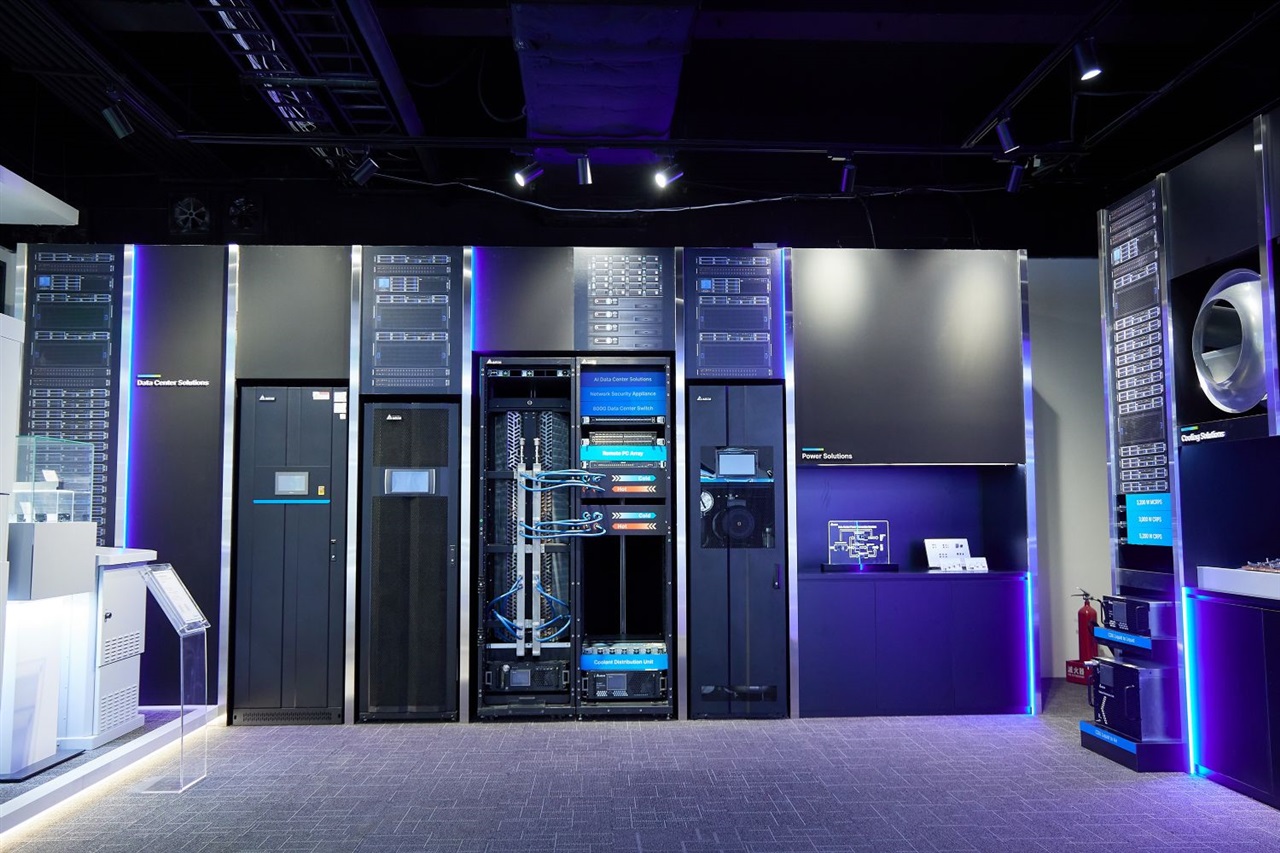
Electronics manufacturing services (EMS) providers are repositioning fast as AI-driven infrastructure spending reshapes the tech supply chain. Instead of riding the ups and downs of traditional, cyclical end markets like consumer electronics, more EMS firms are leaning into longer, platform-led programs tied to cloud computing, networking equipment, and data center hardware. It’s a strategic pivot designed to capture steadier demand, deepen customer relationships, and win bigger, multi-year buildouts that don’t reset every product cycle.
A major theme emerging in the EMS space is the growing importance of “platform builds.” In practical terms, that means scaling repeatable, standardized infrastructure programs—think server platforms, networking platforms, and modular data center designs—where customers value consistency, predictable quality, and reliable delivery as much as cost. As hyperscale and enterprise customers expand AI capacity, they’re prioritizing manufacturing partners that can support rapid ramps, complex supply chains, and tight integration between mechanical, electrical, and system-level assembly.
This shift is also changing how EMS providers compete. Instead of focusing mainly on quick-turn projects or short product refresh cycles, providers are investing in capabilities that matter most for cloud and data center customers: advanced manufacturing automation, high-mix production expertise, stronger procurement and component sourcing, and the ability to manage large-scale programs across regions. The goal is to become indispensable partners for infrastructure builds that can stretch over years—particularly as AI workloads drive continuing upgrades in compute density, power delivery, and networking performance.
With AI-era demand accelerating, cloud and data center investment is becoming a defining growth engine for the sector. EMS companies that can execute at scale—while meeting strict reliability and delivery expectations—are working to lock in a larger share of infrastructure budgets. For readers tracking the hardware backbone behind artificial intelligence, this is an important signal: the manufacturing side of the industry is aligning around long-cycle, platform-based builds that support the next wave of cloud and data center expansion.