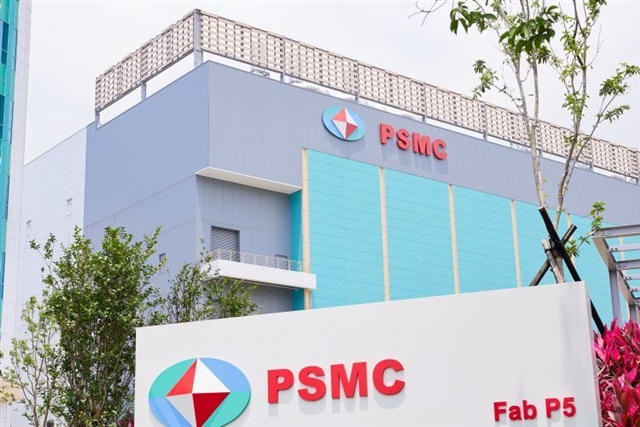
Powerchip Semiconductor Manufacturing (PSMC) is moving quickly to refine its next steps in the memory chip business as global demand shows fresh signs of strengthening. After confirming plans to sell its Tongluo fabrication plant to Micron Technology, the company has now shared an update on how it intends to position itself for the next phase of growth.
At the center of PSMC’s latest operational plan is a push to upgrade its DRAM manufacturing processes. DRAM, or dynamic random-access memory, is a critical component used across a wide range of products, including smartphones, laptops, servers, and data center hardware. When demand rises in these markets, memory makers often respond by improving production efficiency and introducing more advanced process technologies to stay competitive.
PSMC’s decision to enhance its DRAM processes arrives at a time when the broader memory market is closely watched for signals of recovery and expansion. Strengthening demand typically translates into higher utilization rates, improved pricing conditions, and increased urgency for manufacturers to ensure their technology is modern enough to meet performance and cost targets.
The Tongluo fab sale to Micron also marks a notable shift in operations. With that transaction underway, PSMC appears to be sharpening its focus on what comes next—optimizing manufacturing capabilities and ensuring its remaining production lines are aligned with market needs. In practice, DRAM process upgrades can help deliver better yields and efficiency, which matters when customers want stable supply, consistent quality, and competitive pricing.
By tying its operational updates to a clearer demand outlook, PSMC is signaling that it expects more activity ahead in the DRAM segment. As memory demand continues to evolve across consumer electronics and enterprise computing, process improvements could play a key role in helping the company capture opportunities created by a tighter, more performance-driven market.